Last updated November 23, 2026
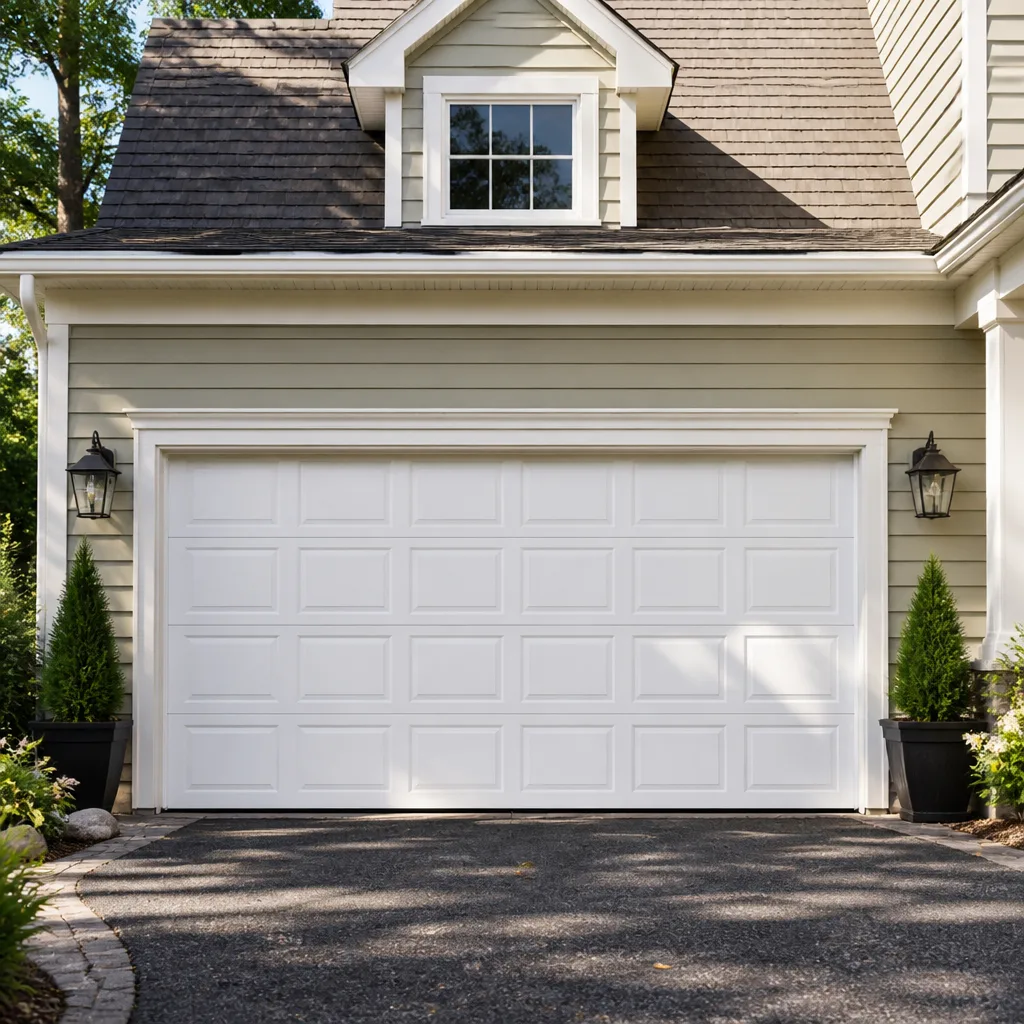 Raised-panel steel
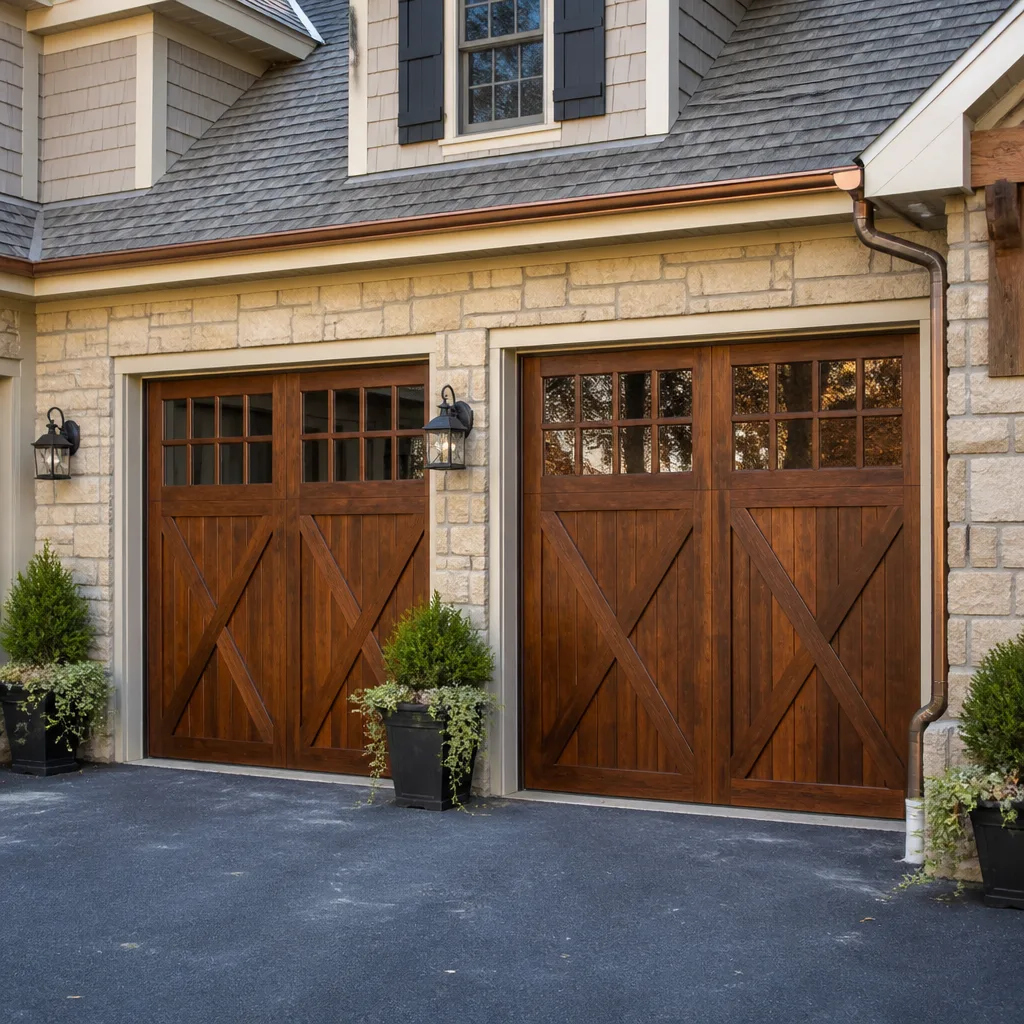 Carriage house
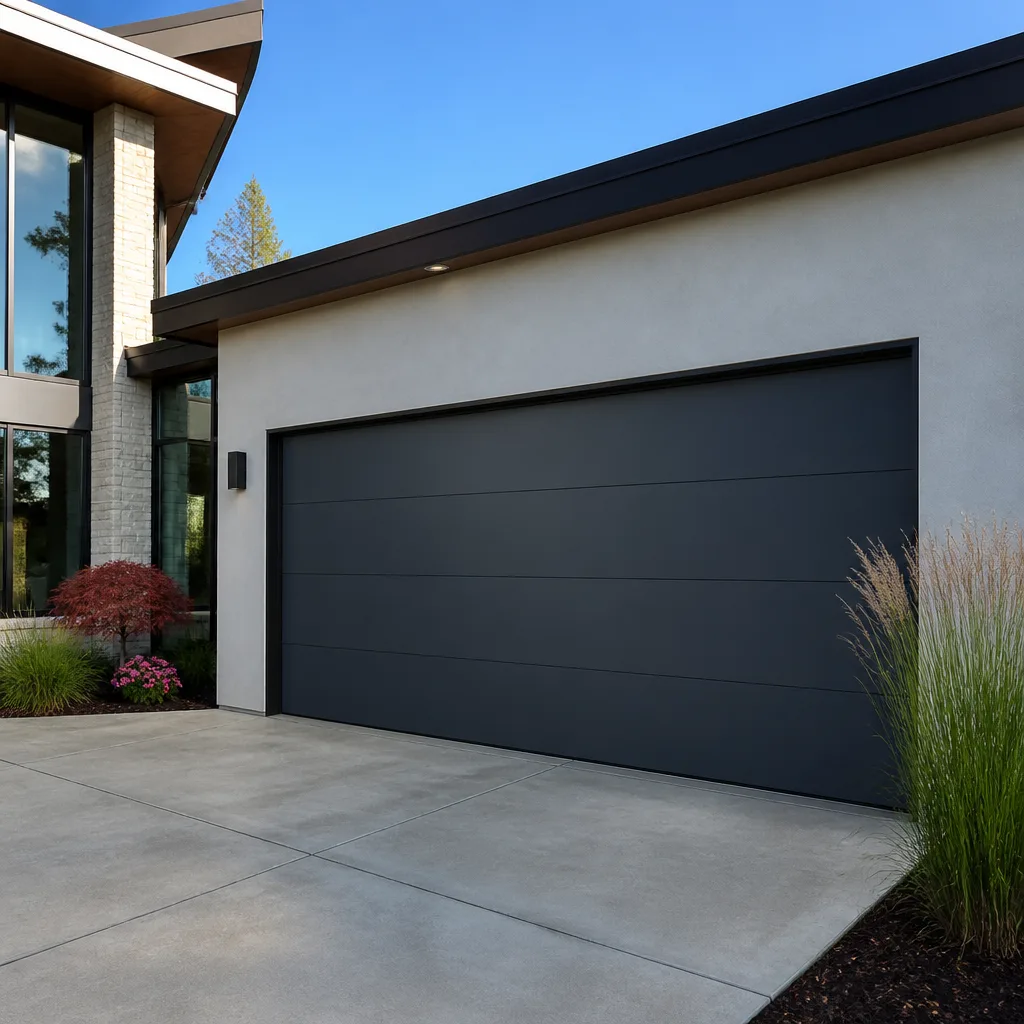 Modern flush
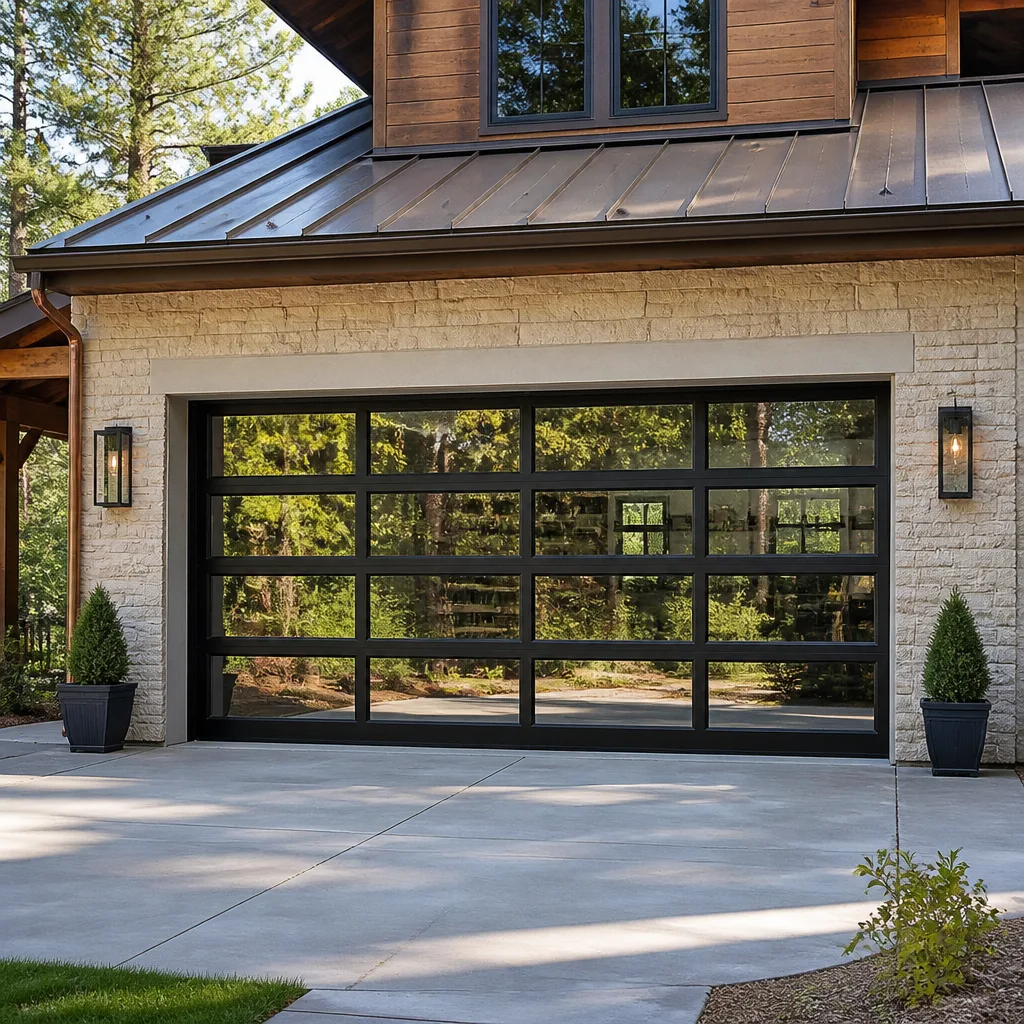 Full-view glass
 LiftMaster openers
 Chamberlain openers
Full 25-point door and opener safety check with every visit - springs, cables, rollers, tracks, and your LiftMaster or Chamberlain opener included
You get a price before we start. It does not change when the pro arrives.
Get your free estimateHow to Hire a Garage Door Contractor in Gainesville: A Step-by-Step Guide
The contractor who answers the phone fastest is often the one you should trust least. After a storm rolls through Hall County or during the busy moving season, out-of-area operators set up temporary local numbers, knock out the job, and vanish before the first callback. The paperwork looks fine. The price sounds reasonable. And then the springs fail months later and the phone number is disconnected. This guide teaches you to vet a garage door contractor the way a technician with up to 13 years on the tools would: check the license, verify the insurance, read the estimate line by line, and confirm the warranty is a real document. We’ll walk through the three-minute verification process that filters out the fly-by-night operators in Gainesville every time.
Quick Answer
To hire a garage door contractor in Gainesville, verify the contractor’s state license and insurance through the Georgia Secretary of State’s licensing lookup, get a written estimate that itemizes parts and labor separately, ask whether springs are OEM or generic, and confirm the warranty is a written document you can keep. The three-minute check that filters out storm-surge operators is license verification, insurance confirmation, and a local business address you can actually find. If a contractor can’t clear all three, walk away before any work starts.
Styles & brands we work with
- Raised-panel steel
- Carriage house
- Modern flush
- Full-view glass
- LiftMaster openers
- Chamberlain openers
Table of Contents
- How Do You Verify a Garage Door Contractor’s License in Georgia?
- Why Do Out-of-Area Contractors Flood Gainesville After Storms?
- What’s the Difference Between OEM and Generic Springs?
- How Do You Read a Garage Door Estimate Line by Line?
- What Should a Legitimate Warranty Document Actually Say?
- What Questions Should You Ask Before Hiring?
- What Are the Red Flags in a Garage Door Quote?
- When Should You Call a Professional Instead of DIY?
How Do You Verify a Garage Door Contractor’s License in Georgia?
You verify a Georgia garage door contractor’s license by searching the contractor’s business name and license number in the state licensing database maintained by the Georgia Secretary of State, then confirming the insurance certificate matches. The whole process takes under five minutes if you know what to look for. Here’s the sequence we recommend, in order:
- Ask for the license number in writing. A legitimate contractor will text or email it without hesitation. If they deflect or say “we’re licensed in the county,” ask for the state number. Garage door work in Georgia falls under residential and general contractor licensing rules that require a state-issued credential for jobs above certain thresholds.
- Look up the number in the state database. The Georgia Secretary of State’s licensing portal shows the license status, expiration date, and any disciplinary actions. Compare the business name on the license to the name on the estimate. If they don’t match, ask why.
- Request a certificate of insurance. Ask for the general liability certificate and confirm the policy is current. The certificate should list the same business name as the license.
- Call the insurance carrier directly. The certificate has a phone number for the carrier. One call confirms the policy is active. Storm-surge operators sometimes forge certificates, so this step matters.
- Confirm the physical address. A real Gainesville-area contractor has a business address you can look up. If the only address on the paperwork is a PO box or a temporary suite, that’s a warning sign.
If any step comes back wrong, don’t negotiate. Move on to the next contractor. The verification process is fast, free, and it’s the single most effective filter for separating a real local professional from a temporary number set up for one week of storm work in Gainesville.
Why Do Out-of-Area Contractors Flood Gainesville After Storms?
Out-of-area contractors show up in Gainesville after severe weather because storm damage creates a surge of urgent repair calls, and temporary operators follow the work. They rent a local phone number, print door hangers, and knock on doors in neighborhoods where trees came down or debris damaged a door panel. The work itself might be fine. The problem is what happens after they leave. When a spring fails six months later or the opener stops responding, the number is dead and the warranty is unenforceable.
We’ve seen the pattern repeatedly in the Gainesville area. The warning signs are specific:
- They knock on your door unsolicited. Legitimate contractors respond to calls. They don’t cruise neighborhoods after storms looking for work.
- They pressure you to sign today. Real contractors give you a written estimate and let you think about it. Urgency is a sales tactic, not a service.
- The phone number is local but the address isn’t. A 770 or 678 area code means nothing if the business is registered three counties away.
- They want cash up front. A deposit for materials is normal. Paying the full job price before work starts is not.
- The estimate is a handwritten slip. A written estimate on company letterhead with a license number and insurance info is the standard. A napkin quote is not.
Gainesville sits in a part of north Georgia that sees its share of severe thunderstorms and the occasional tornado warning. That weather pattern is exactly what draws temporary operators. The best defense is the same as it is for any home service: verify the license, verify the insurance, and confirm the business has a real local presence before any work begins.
What’s the Difference Between OEM and Generic Springs?
OEM springs are manufactured to the original equipment specifications for your door’s make and model, while generic springs are produced to a broad size range that may fit but won’t match the original cycle rating. That difference matters more than most homeowners realize. A torsion spring that’s slightly off in wire gauge or coil count will fail sooner, and when it fails, it can damage the door, the opener, or both.
Here’s what to ask about parts sourcing:
- “Are these OEM or aftermarket springs?” The answer should be specific. If the contractor can’t tell you which brand and cycle rating the spring is rated for, that’s a red flag.
- “What’s the cycle rating?” Standard springs are rated for a set number of open-close cycles. High-cycle springs cost more but last longer. Ask for the rating in writing on the estimate.
- “Which manufacturer makes the spring?” For systems like LiftMaster, Chamberlain, or Wayne Dalton, the spring and the door hardware are engineered to work together. OEM parts maintain that match.
- “What happens if the spring fails early?” A legitimate contractor will tell you the warranty covers the part. A generic-spring operation will tell you springs “just wear out.”
The difference between an OEM spring and a generic spring that looks identical is often invisible to the eye. It shows up in the cycle rating and in how long the spring lasts. When you’re comparing estimates, ask for the part brand and the cycle rating on every line. A contractor who can answer clearly is sourcing real parts. A contractor who can’t is guessing, and you’ll be the one who finds out when the spring snaps.
How Do You Read a Garage Door Estimate Line by Line?
You read a garage door estimate by checking that every line item separates parts from labor, names the brand and model of every component, and states the warranty terms in writing. A legitimate estimate is a document, not a verbal number. Here’s what a proper estimate in Gainesville should contain:
- Parts line items: Each part listed by name and brand (for example, “torsion spring, OEM, rated for high cycle count”). Generic descriptions like “springs” or “hardware” without a brand are a warning sign.
- Labor line item: A separate charge for the installation work. If labor is bundled into the parts price with no breakdown, ask for it separately.
- Disposal and haul-away: If the old door or springs need to come off-site, that should be listed. A missing disposal line often becomes an add-on later.
- Permit line (if applicable): Most cities require a permit for structural work on a garage door frame or a full door replacement. Ask your city’s building department whether your job needs one, and confirm the estimate reflects it.
- Warranty terms: The length of the parts warranty and the labor warranty stated in writing.
The low-ball-then-upcharge pattern is easy to spot once you know what to look for. An estimate that comes in well below every other quote usually means one of three things: generic parts, hidden add-ons, or a labor charge that appears after the work starts. If the estimate doesn’t itemize, ask for a revised version. A contractor who won’t put the breakdown in writing is telling you something about how the job will go. Compare the itemized estimate against the garage door repair standards we walk through, line by line.
What Should a Legitimate Warranty Document Actually Say?
A legitimate garage door warranty is a written document with a named company, a defined coverage period, a clear list of what’s covered and what isn’t, and a claims process you can follow. “We stand behind our work” is not a warranty. It’s a sentence that means nothing when the spring fails and the phone number is disconnected.
Here’s what a real warranty document includes:
- The legal business name and license number. The warranty should match the estimate and the license. If the name on the warranty doesn’t match the name on the estimate, ask why.
- The coverage period, stated in writing. Parts and labor warranties are often different lengths. Both should be on the document.
- A specific list of what’s covered. For example, “torsion springs for X cycles” or “opener motor for Y years.” Vague language like “defects in materials” without a definition is a warning sign.
- A list of exclusions. What voids the warranty? Improper use, unauthorized repairs, acts of God. The exclusions should be clear, not buried in fine print.
- A claims process with contact information. How do you file a claim, and who do you call? A real warranty tells you.
Ask for the warranty document before you sign the estimate. Read it. If the contractor can’t produce a written warranty, or if the document is a single paragraph of marketing language, that’s your answer about how they’ll handle a callback in six months.
What Questions Should You Ask Before Hiring?
The right questions separate a professional from a generalist. Here are the ones that matter most for garage door work in Gainesville:
- “What brands do you service?” A specialist works across the major brands, including LiftMaster, Chamberlain, Genie, Clopay, Amarr, Wayne Dalton, Craftsman, and Raynor. If a contractor says they only work on one brand, ask whether they can source parts for yours.
- “Do you do spring repair, or do you subcontract it?” Springs are the most dangerous component in the system. Ask who’s actually doing the work.
- “Is the estimate itemized with parts and labor?” A verbal number isn’t an estimate. Ask for the document.
- “Are the springs OEM or generic?” The answer tells you whether the repair will last.
- “What’s the warranty, and can I see it in writing?” A real warranty is a document, not a promise.
- “Is the price agreed before work starts?” The written estimate sets the final price. Confirm it before anyone touches the door.
For installations rather than repairs, add questions about measuring: how do they confirm the opening dimensions, what’s the lead time on the door order, and who handles the removal of the old door. For opener work, ask whether they service both older mechanical units and connected modern systems like LiftMaster MyQ. A contractor who can answer all of these is a contractor you can call once and keep on your list. That’s the standard our garage door opener repair work is held to, and it’s the standard you should expect from anyone you hire in Gainesville.
What Are the Red Flags in a Garage Door Quote?
Red flags in a garage door quote cluster around three categories: unverifiable paperwork, parts that can’t be identified, and pricing that doesn’t match the scope of the job. Here are the specific ones to watch for:
- No license number on the estimate. A real contractor puts the license number on the paperwork. If it’s missing, ask for it before you sign.
- Insurance certificate you can’t verify. If the certificate exists but the carrier can’t confirm it, walk away.
- “We’ll match any price.” Price-matching language usually means the parts will be downgraded to make the number work.
- High-pressure sign-today discounts. Real contractors let you think about it. Urgency is a sales tool, not a service.
- No written warranty until after the job. The warranty should be part of the estimate packet, not something you see for the first time when the invoice arrives.
- A quote that’s far below every other. The low number usually means generic parts, hidden labor, or both.
One more red flag specific to Gainesville: the contractor who can’t tell you which neighborhoods they work in. A real local professional knows the area. A temporary operator has to look it up. When you’re comparing quotes, ask where they’ve worked recently. The answer will tell you a lot. If you’re planning a full replacement rather than a repair, the same vetting applies to garage door installation, and a measurement visit before any order is placed is the sign of a contractor who knows how installs actually go.
When Should You Call a Professional Instead of DIY?
Call a professional when the problem involves springs, cables, the torsion bar, or the door’s structural alignment. Those components store enough energy to cause serious injury if they’re handled without the right tools and training. Springs are the most dangerous part of the system, and even experienced generalists often decline spring work for that reason. A snapped spring, a door off its tracks, or a cable that’s snapped loose are all situations where the safest move is to stop and call.
Call a professional as well when the opener motor runs but the door doesn’t move, when the door reverses before it closes, or when the panel is visibly bent. Those symptoms can point to a problem in the opener, the springs, or the track, and diagnosing them correctly matters before anyone replaces parts. If the door won’t open or close and access to your home is blocked, that’s the moment to make the call. Our emergency garage door service in Gainesville is built for exactly that situation. Garage Door Repair Gainesville Pros offers free estimates in Gainesville – call (833) 968-8548.
Frequently Asked Questions
Garage door repairs in Gainesville typically range from around $150 for a simple adjustment to several hundred dollars for a spring replacement or opener repair, depending on the part and the door type. Spring prices are per spring, and a matched pair is usually replaced together, so a pair costs about twice a single spring. The written estimate sets the final price. Call (833) 968-8548 for an exact quote – estimates are free.
Yes. The Georgia Secretary of State maintains a public licensing lookup where you can search by business name or license number. The listing shows the license status, expiration date, and any disciplinary actions. Ask the contractor for the license number in writing, then run the search before you sign anything.
The local professionals we connect you with are licensed and insured as Georgia requires. Ask any contractor for the license number and a certificate of insurance before work starts, and call the insurance carrier to confirm the policy is active. That’s the standard we hold to on every job.
No. The price is quoted and agreed before any work starts, and the written estimate sets the final price. If the inspection turns up something the estimate didn’t cover, the contractor should explain it and get your approval before doing the additional work. Call (833) 968-8548 – estimates are free.
OEM springs are built to the original equipment specifications for your door, while generic springs fit a broad size range and often carry a lower cycle rating. The difference shows up in how long the spring lasts. Ask for the part brand and the cycle rating on the estimate before you approve the work.
Yes. Emergency garage door service is one of our named offerings, structured for fast response when a door won’t open or won’t close and access to your home or vehicle is blocked. We’re open Sunday through Friday, 7am to 7pm, and closed Saturday. Call (833) 968-8548 and we’ll get someone out.
In most cases, yes. We work on LiftMaster, Chamberlain, Genie, Clopay, Amarr, Wayne Dalton, Craftsman, and Raynor systems, so there’s no brand lock-in. If your door or opener is one of those, call (833) 968-8548 and we’ll confirm what the job involves.
A real warranty document names the business, the license number, the coverage period, what’s covered, what’s excluded, and how to file a claim. “We stand behind our work” is not a warranty. Ask to see the document before you sign the estimate.
See the difference
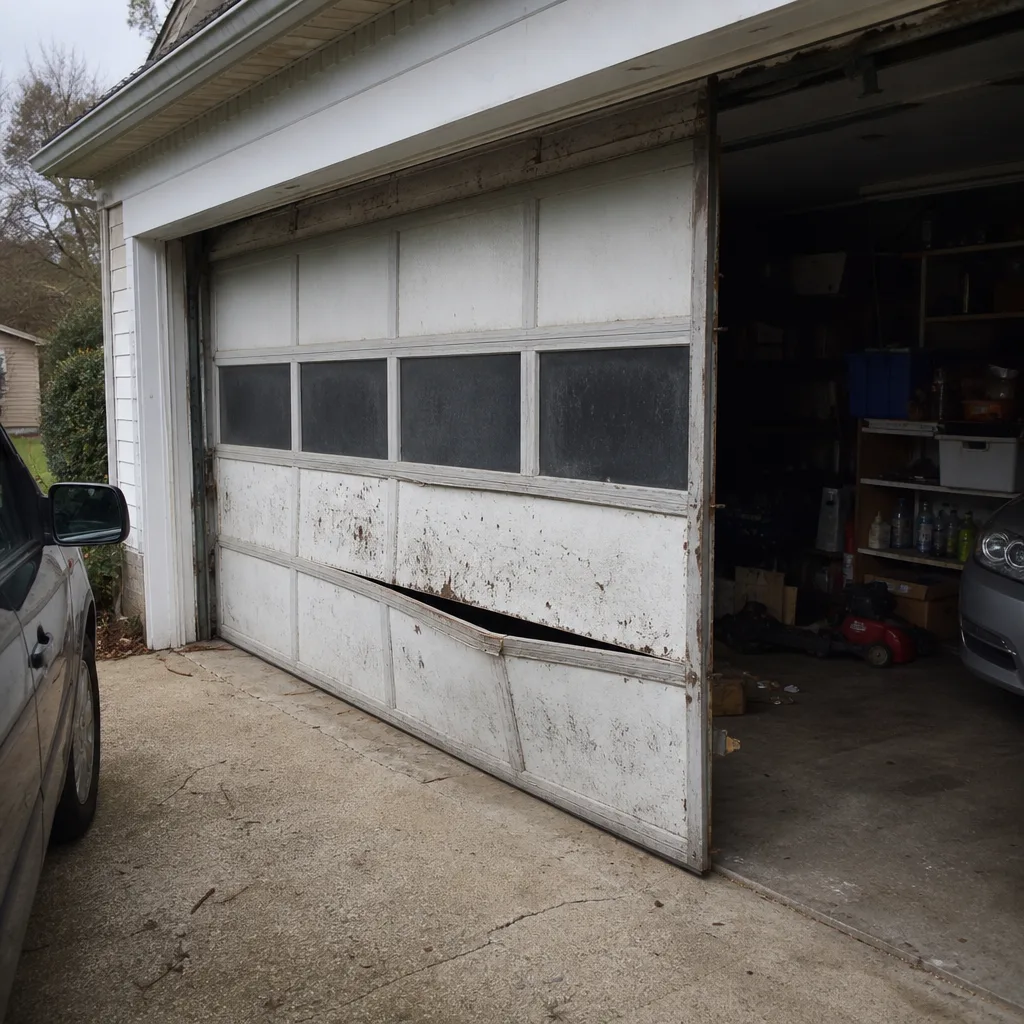 Before
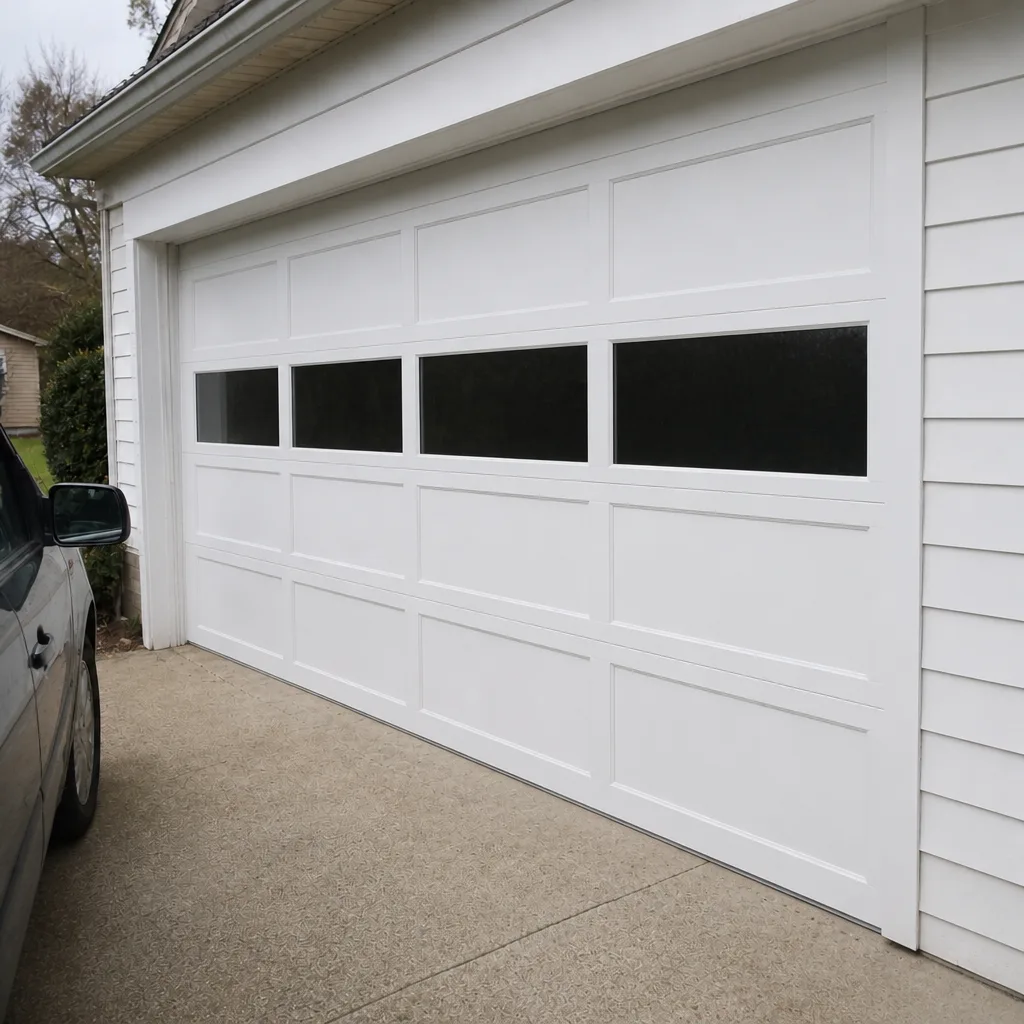 After
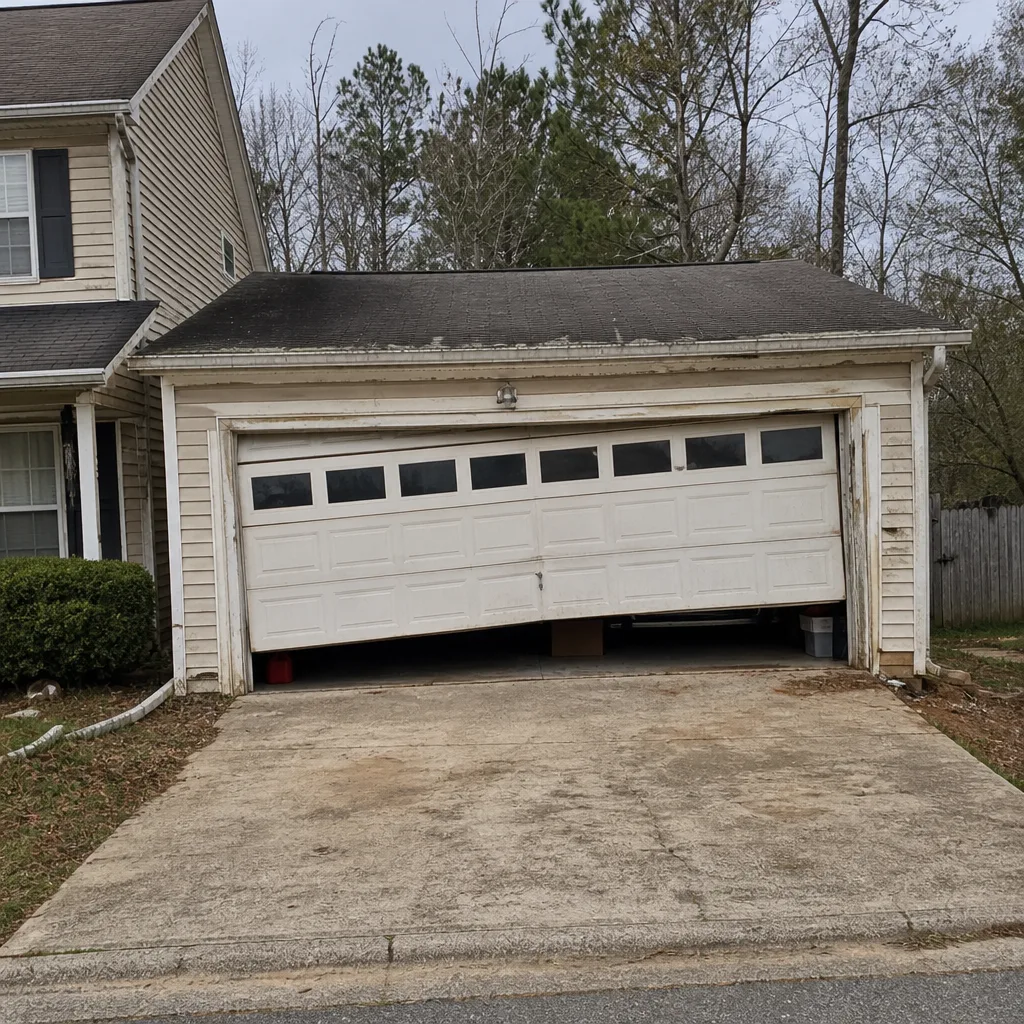 Before
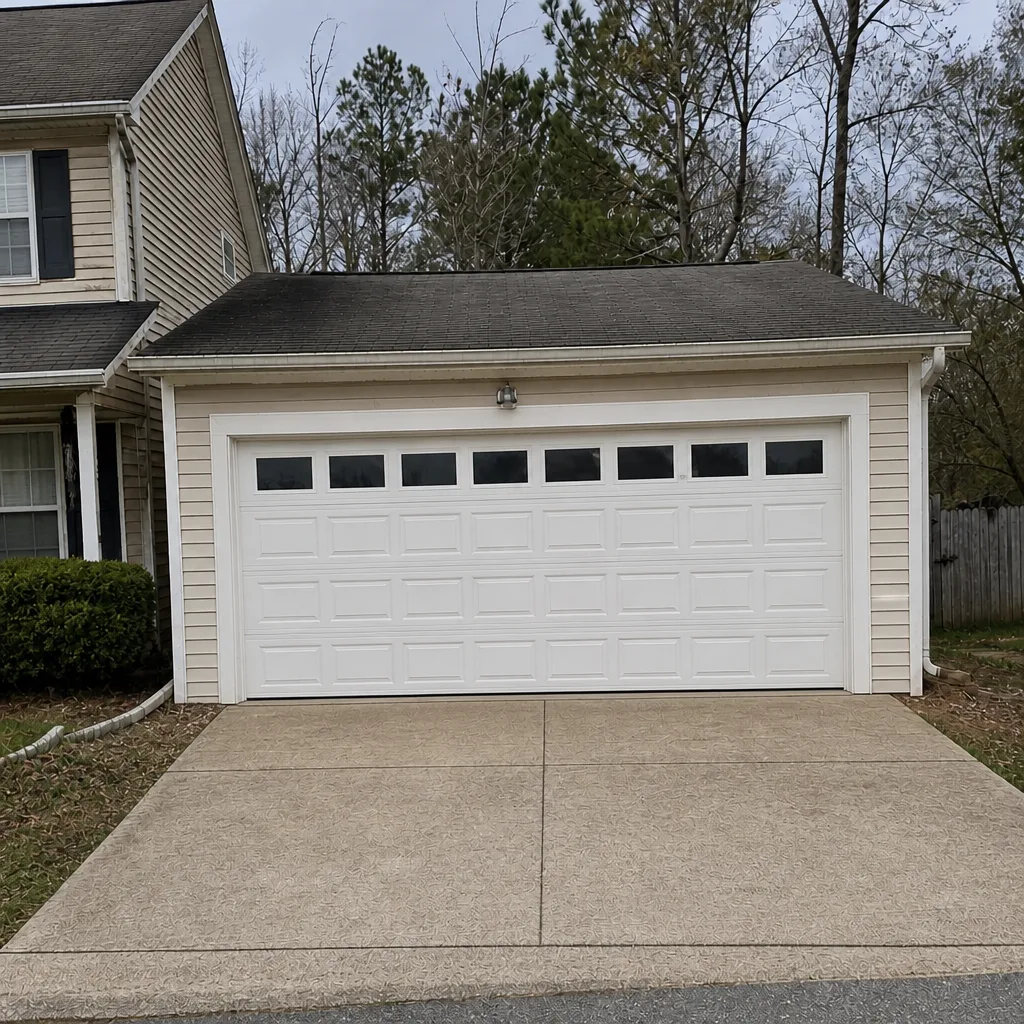 After
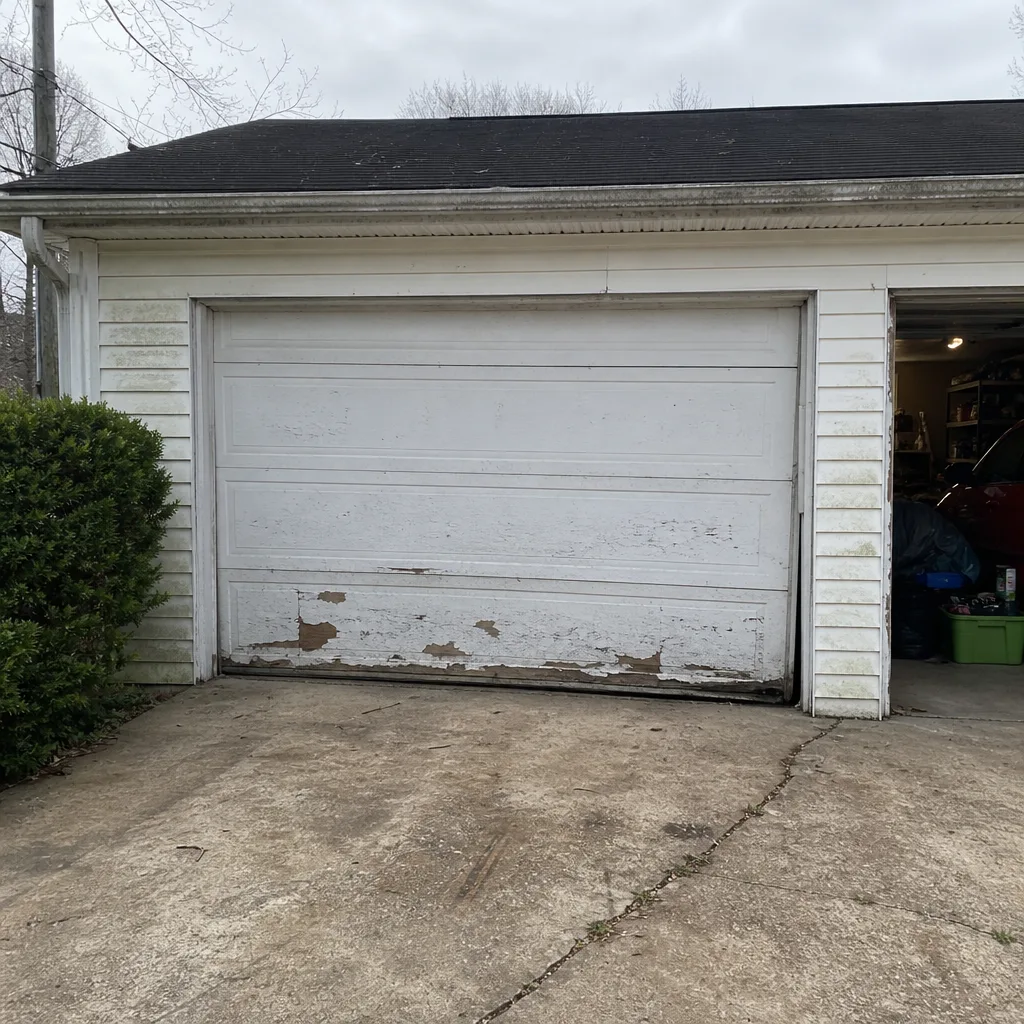 Before
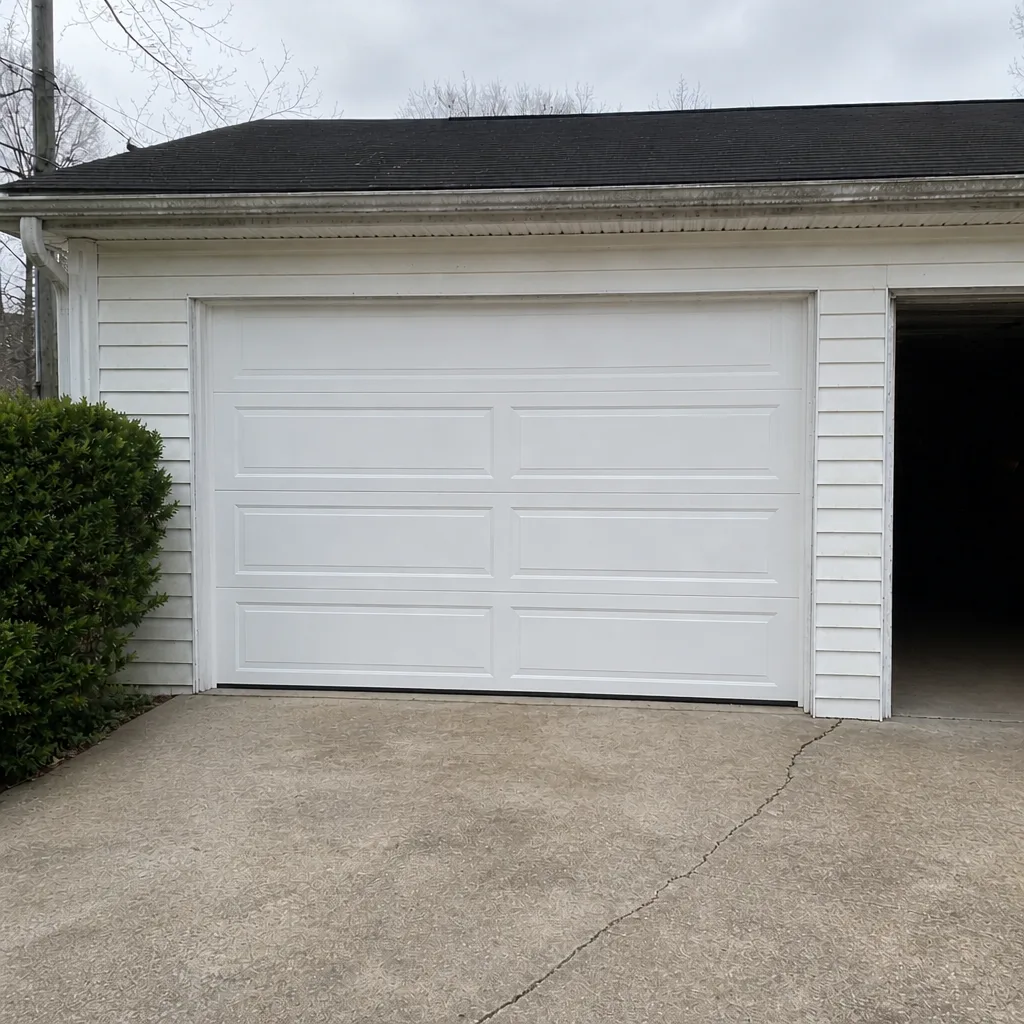 After
Common Mistakes to Avoid
- Hiring the first contractor who answers. Speed of response is not a sign of quality. Verify the license and insurance before you commit, even if the first call was fast.
- Skipping the insurance verification call. A certificate on paper is not the same as an active policy. One call to the carrier confirms it. Storm-surge operators in Gainesville have been known to forge certificates.
- Accepting a verbal estimate. A number on the phone is not a quote. Get the itemized estimate in writing, with parts and labor separated, before anyone touches the door.
- Not asking about spring sourcing. Generic springs cost less upfront and fail sooner. Ask for the brand and cycle rating on every spring line.
- Assuming “we stand behind our work” is a warranty. It isn’t. Ask for the written document with coverage periods and exclusions.
- Paying the full job price up front. A materials deposit is normal. Paying the whole job before work begins is not, and it’s a common pattern with temporary operators.
- Ignoring the address on the paperwork. A local phone number with an out-of-county business address is a red flag. A real Gainesville-area contractor has a verifiable local presence.
Each of these mistakes is avoidable with a five-minute check. The pattern is consistent: the contractors who can produce paperwork, answer brand questions, and put the warranty in writing are the ones who’ll still be reachable when the spring fails. If you want a starting point, our Garage Door Repair Gainesville Pros page walks through how we handle the vetting conversation on our end.
When to Call a Professional
Call a professional when the spring snaps, the cable lets go, the door comes off its tracks, or the opener motor runs but the door doesn’t move. Those are the situations where the energy stored in the system makes DIY work genuinely dangerous. Call as well when the door reverses before closing, when a panel is visibly bent, or when the door won’t open and your car is trapped inside. Springs and cables are not a homeowner repair. If the door is stuck and access is blocked, that’s the moment to pick up the phone. Garage Door Repair Gainesville Pros offers free estimates in Gainesville. Call (833) 968-8548 to book a visit.
The Bottom Line
Hiring a garage door contractor in Gainesville comes down to four checks: verify the state license, confirm the insurance is active, insist on an itemized written estimate, and read the warranty document before you sign. The contractors who pass all four are the ones who’ll still answer the phone when something goes wrong. The ones who can’t produce paperwork are the ones who disappear. Our technicians have up to 13 years of experience, and we’ve seen what happens when homeowners skip the verification step. It’s a five-minute process that saves months of frustration. Run the checks, get the estimate in writing, and call (833) 968-8548 when you’re ready for a free estimate on repair, installation, or opener work.
Written by the team at Garage Door Repair Gainesville Pros.