Last updated November 23, 2026
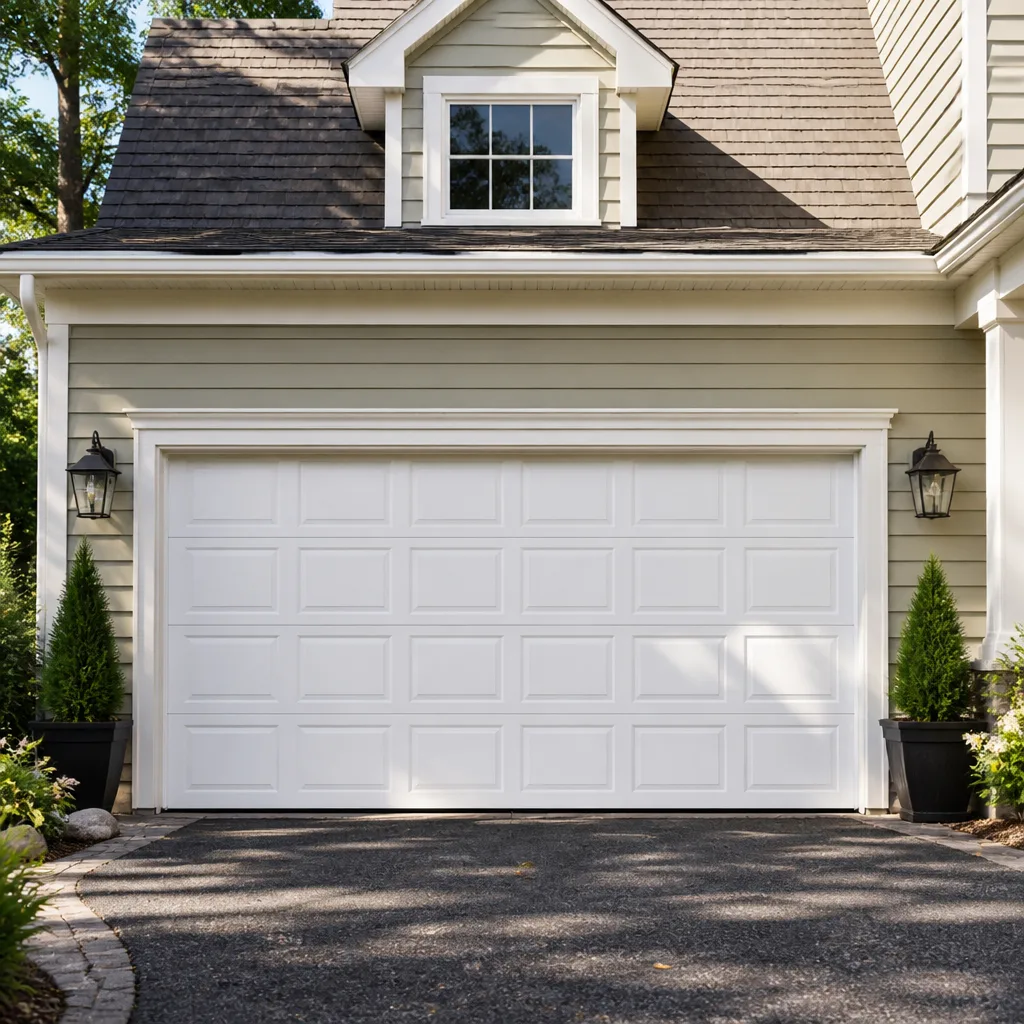 Raised-panel steel
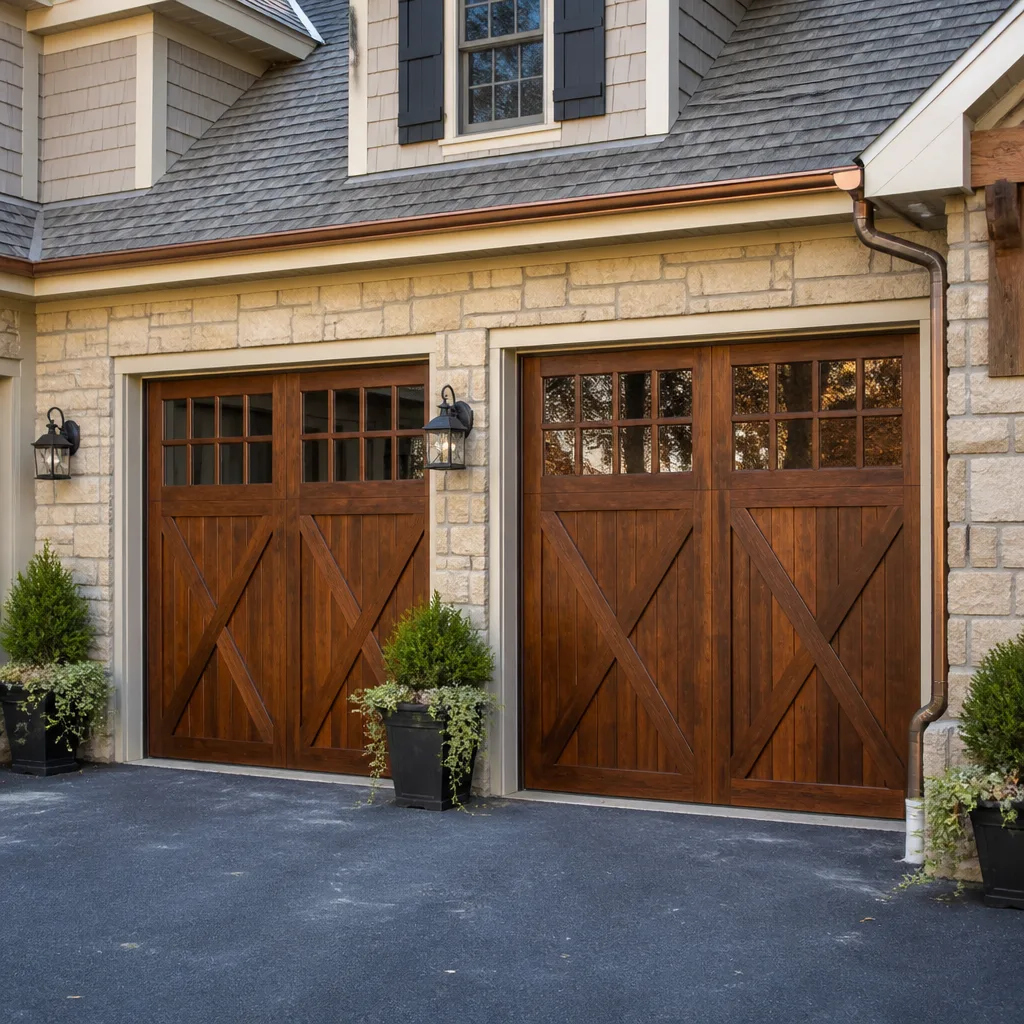 Carriage house
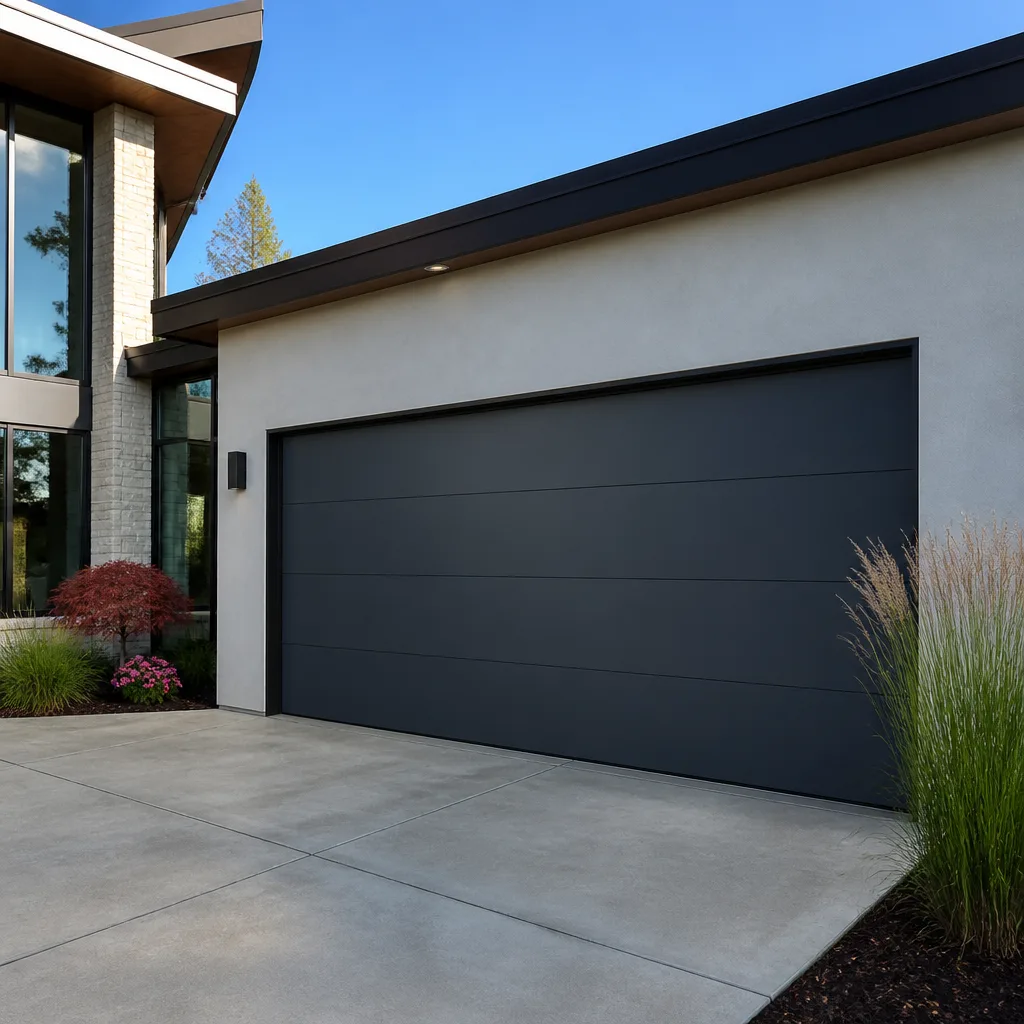 Modern flush
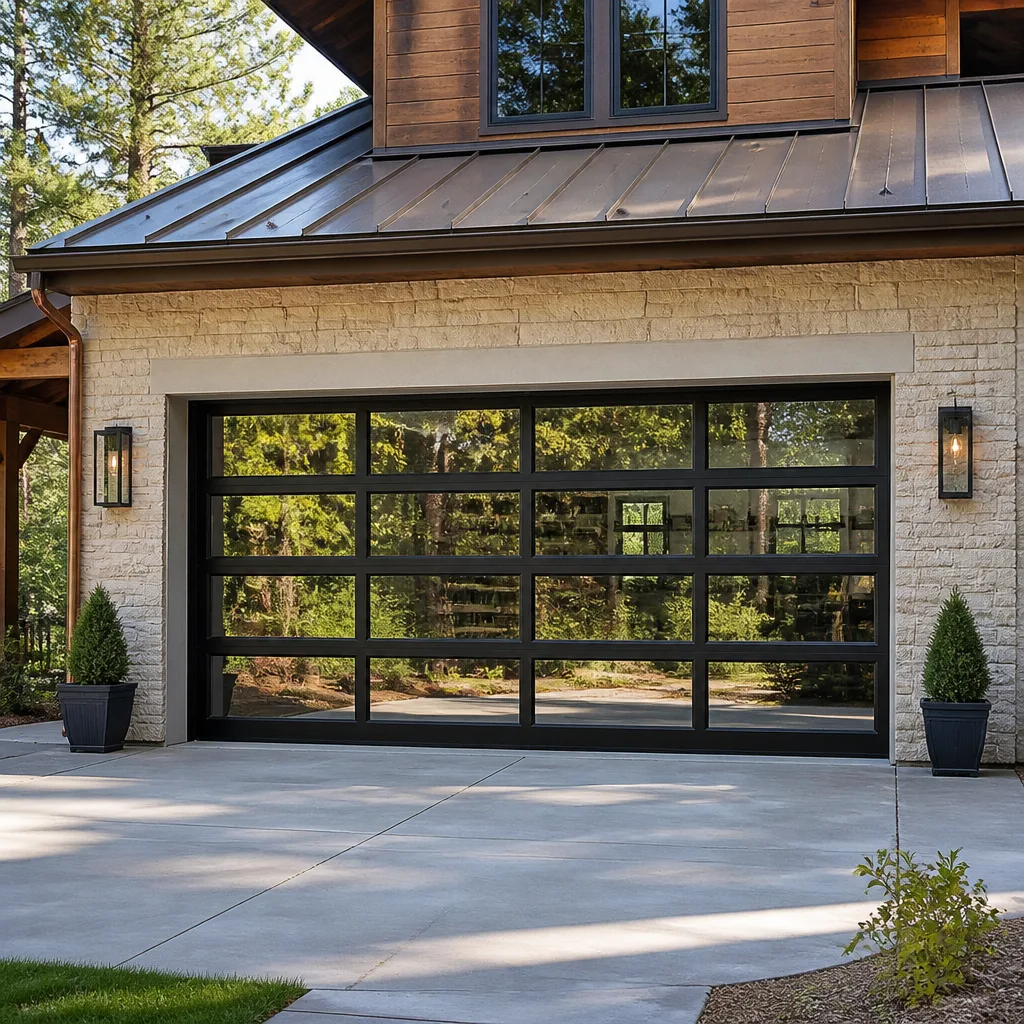 Full-view glass
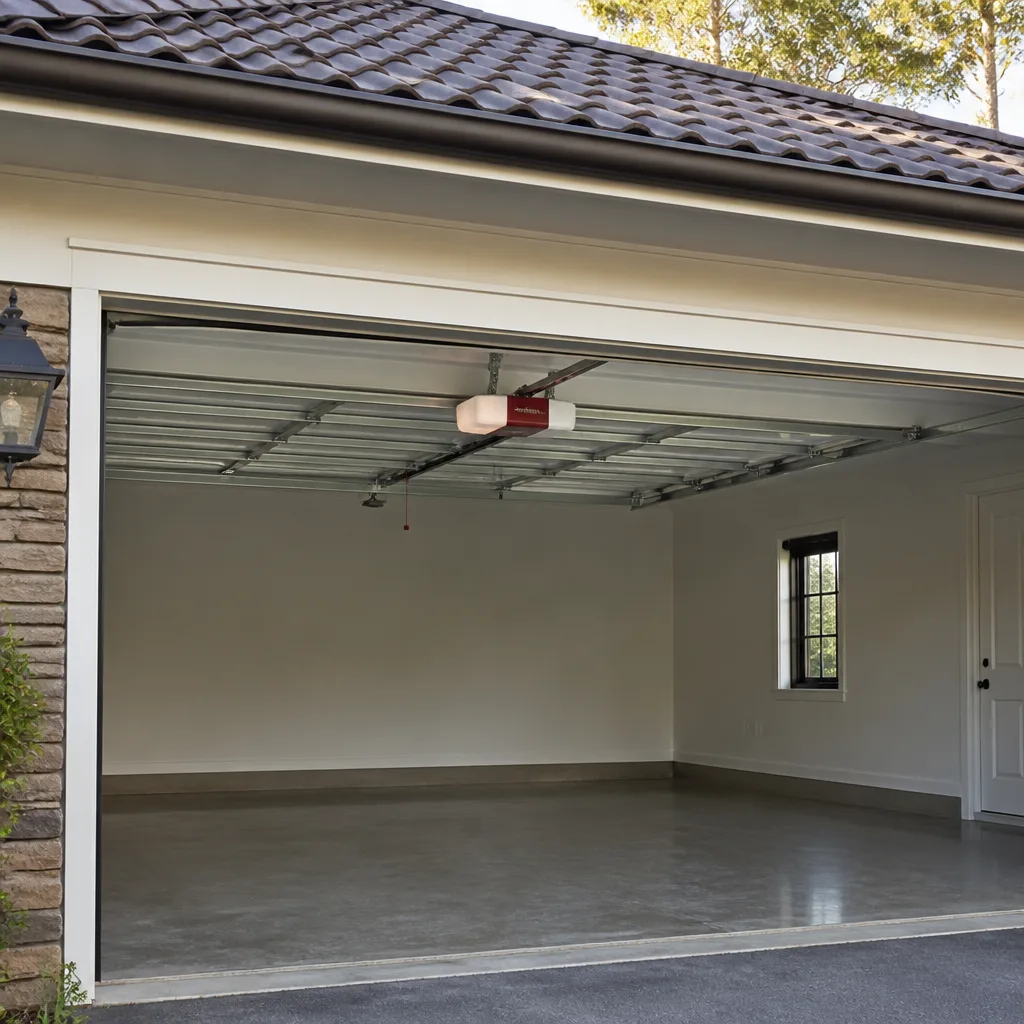 LiftMaster openers
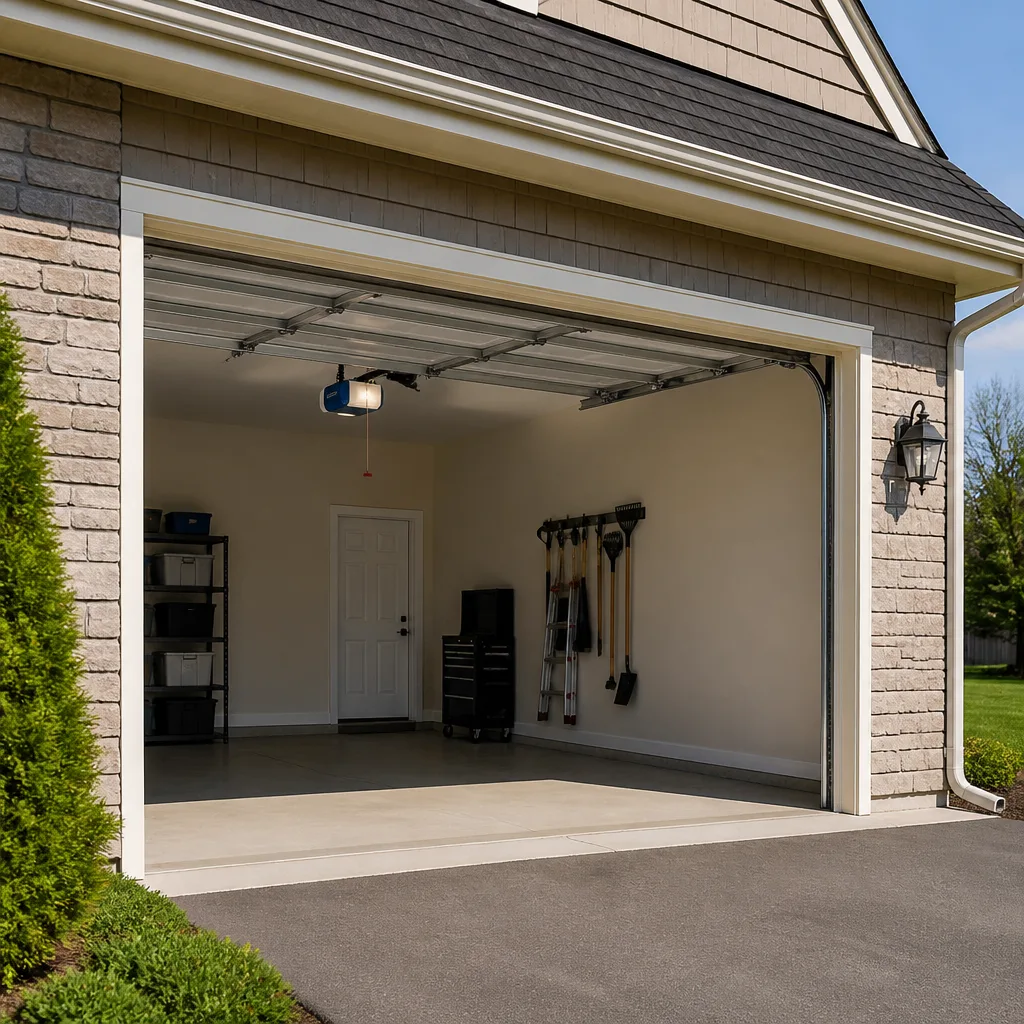 Chamberlain openers
Full 25-point door and opener safety check with every visit - springs, cables, rollers, tracks, and your LiftMaster or Chamberlain opener included
You get a price before we start. It does not change when the pro arrives.
Get your free estimateThe Complete Guide to Garage Doors in Gainesville
Most garage door guides are written for Phoenix or Dallas. They talk about sun damage and 110-degree heat, and they assume a door that rarely sees rain. Gainesville doesn’t work that way. We sit at roughly 1,200 feet elevation in North Georgia, where summer humidity regularly climbs past 80%, winters swing between mild and genuinely cold, and the ground under many neighborhoods is Hall County clay that holds water for days after a storm. Those conditions change which materials warp, which springs fail first, and which openers struggle through a brownout. This guide maps every garage door decision to the conditions Gainesville homeowners actually live with, from Lake Lanier to Browns Bridge Road.
Quick Answer
A garage door in Gainesville holds up best when you match materials and hardware to local humidity and temperature swings: a properly gauged steel door with a composite or steel-backed core outdoors real wood, corrosion-resistant hinges and fasteners for lake-adjacent homes, and an opener with a battery backup to ride out power flickers. Spring repair, opener repair, and full installation all happen here, and the written estimate you get before work starts is the price you pay.
Styles & brands we work with
- Raised-panel steel
- Carriage house
- Modern flush
- Full-view glass
- LiftMaster openers
- Chamberlain openers
Table of Contents
- How Gainesville’s Climate Changes Your Garage Door
- Choosing a Door Material for North Georgia Humidity
- Lake Lanier Homes and Corrosion-Resistant Hardware
- Matching Door Style to Gainesville Home Layouts
- Openers, Power Fluctuations, and Battery Backup
- Do You Need a Permit to Replace a Garage Door in Hall County?
- Springs: The Part That Fails Most and Matters Most
- What a New Door Installation Actually Involves
How Gainesville’s Climate Changes Your Garage Door
Humidity is the single biggest factor in how long a garage door in Gainesville lasts. When the air is wet most of the summer, wood swells, steel framing sweats on the inside face, and any painted surface that gets scratched starts to corrode at the edges within a season. Add the daily temperature swing – hot afternoons, cooler nights – and the whole door flexes and contracts a little every day. That movement works on fasteners, hinges, and rollers.
What this means in practice for a Gainesville home:
- Wood parts move. Real-wood panels take on moisture and can warp or cup at the seams, especially on a south-facing door that bakes all afternoon.
- Steel rusts at the edges first. The bottom section, where rain splashes up and sits, tends to show corrosion before anything else.
- Springs fatigue faster in damp air. Torsion and extension springs are under constant tension, and moisture plus temperature cycling shortens their working life.
- Track alignment drifts. Ground movement in clay soil can shift a slab or a wall just enough to throw a metal track slightly out of true, which then wears rollers unevenly.
None of this means a garage door in Gainesville is doomed. It means the details matter more here than in a dry climate. A slightly heavier steel gauge, a composite core instead of bare wood, and hardware that resists moisture do more for longevity in North Georgia than any single upgrade.
Choosing a Door Material for North Georgia Humidity
Material choice is where most Gainesville homeowners get steered wrong, usually by a national guide that assumes a dry climate. Here’s how the main options actually behave in Hall County’s humid summers and wet winters.
Steel
Steel is the most common choice for a reason: it’s strong, it takes paint and finish well, and it doesn’t care much about humidity as long as the factory coating stays intact. The variable is gauge – the thickness of the steel skin. A thinner door dents easily and flexes more in temperature swings; a heavier-gauge door holds its shape and resists the daily expansion and contraction better. For a Gainesville home, we steer toward a mid-to-heavy gauge with a factory finish rather than a thin door that will show every ding.
Composite and Steel-Backed Wood-Look
If you want the warmth of wood but don’t want to fight the humidity, a composite or steel-backed door gives you the look without the swelling. These doors resist moisture far better than real wood and hold their dimension through a wet Georgia summer. It’s the practical middle ground for a Gainesville home that wants a wood-grain finish without the maintenance.
Real Wood
Real wood is beautiful and it’s the highest-maintenance option in this climate. It needs regular sealing to keep moisture out, and even then, a humid North Georgia summer is hard on it. If you love the look, plan on more upkeep than a steel or composite door would ask of you.
Aluminum and Glass
Modern aluminum-and-glass doors are popular on contemporary homes and newer builds. They handle humidity well, but the glass and light frame can make a door hotter to the touch in summer and less insulating in winter. On a tight new subdivision lot where the door faces the street all day, insulation behind the glass matters.
Which door fits your home is a conversation, not a formula. We work on Clopay, Amarr, and Wayne Dalton systems among others, so we can talk through materials without pushing one brand. If you’re weighing a replacement, the best first step is a free measure and a written price.
Lake Lanier Homes and Corrosion-Resistant Hardware
Homes near Lake Lanier face a specific set of conditions that inland Gainesville neighborhoods don’t. Constant ambient moisture near the water, plus the temperature moderation a large body of water creates, means the hardware on a lake-adjacent door works harder. Hinges, rollers, hinges at the panel seams, and every fastener are the parts that show it first.
For a lake-area home, we spec hardware that resists moisture:
- Stainless or coated fasteners instead of plain steel screws that flash-rust at the heads.
- Nylon or sealed-bearing rollers that don’t seize when the air stays damp.
- Galvanized or coated track and hinges so the parts that move don’t corrode into place.
- Paint and finish checks at the bottom section and seams, where moisture collects.
A door that’s fine on a dry inland lot can start sticking and squealing within a couple of seasons near the lake. The fix isn’t a whole new door – it’s the right hardware spec from the start and a look at the moving parts before corrosion sets in. When we look at a lake-area door, we’re checking the components most likely to fail first, not just the panels.
Matching Door Style to Gainesville Home Layouts
Gainesville has two fairly distinct housing patterns, and they call for different door decisions. Getting the match right is as much about how the door is used as how it looks.
Ranch Homes on Larger Lots
Older ranch homes on generous lots often have a wide, low garage opening and a lot of wall to fill. These homes tend to have a single, larger door, and the priorities are insulation (the garage may share a wall with living space), a finish that holds up on a broad south- or west-facing wall, and an opener sized for the door’s weight. On a bigger lot, the garage door is a big visual element, so material and color matter more than on a tucked-away door.
Tighter Newer Subdivisions
Newer subdivisions off Browns Bridge Road and around the edges of Gainesville often have two-car garages set close to the street and close to the neighboring house. Here the door faces the street all day, insulation matters for the rooms above or beside it, and the door is one of the first things a visitor sees. A clean, well-fitted steel or composite door in a coordinated color does more here than an expensive wood door that will need re-sealing every year.
In both cases, the door should fit the opening precisely. A door that’s slightly out of square wears its rollers and springs faster. Measuring carefully at installation is cheaper than fixing the wear later.
Openers, Power Fluctuations, and Battery Backup
Gainesville’s power grid takes hits during summer storms, and a garage door opener that loses power at the wrong moment is a real problem. That’s why battery backup has become one of the most useful features on a modern opener here, not a luxury. When the power flickers or drops, a backup battery lets the door open at least once, which is often all you need to get a car out or get inside.
Beyond backup, opener compatibility matters. We service the brands that dominate both older mechanical units and connected systems – LiftMaster, Chamberlain, Genie, and Craftsman among them – so the diagnosis is based on the actual problem. If you have a LiftMaster MyQ or a Genie Aladdin Connect system, the issue might be the app, the Wi-Fi, the safety sensors, or the motor itself. We sort out which before recommending anything.
A few things to check when an opener acts up:
- Safety sensors first. The two sensors at the bottom of the track are the most common cause of a door that won’t close. A misaligned or dirty lens will stop the door every time.
- The wall control and remotes. If the wall button works but the remote doesn’t, the problem is usually the remote or the receiver, not the motor.
- The force and travel settings. An opener that reverses for no reason or stops halfway may need its limits reset, which is a technician adjustment.
- Battery backup status. If the unit has a backup battery, check whether it’s still holding a charge. A dead backup is easy to miss until the power goes out.
If your opener is failing outright, our garage door opener repair team can diagnose the unit and tell you whether it’s a repair or a replacement.
Do You Need a Permit to Replace a Garage Door in Hall County?
In most cases, swapping a garage door for a like-for-like replacement doesn’t trigger a full building permit, but anything that changes the opening size, the structural header, or the wall itself usually does. The short answer for Gainesville homeowners: ask the city’s building department before you change anything structural, and keep a straight replacement simple.
A quick way to think about it:
- Straight replacement, same size opening: typically no permit needed, but confirm with Hall County or the City of Gainesville depending on where you are.
- Widening or raising the opening: this is structural work and almost always needs a permit and inspection.
- New garage construction or a wall change: permit and inspection required.
- Electrical work for a new opener circuit: may require an electrical permit depending on the scope.
Because permitting rules vary by jurisdiction and the work involved, the safest move is a call to the local building department with your specific plan. We won’t guess at code for you – we’ll tell you what a door replacement involves and point you to the city for the permit question.
Springs: The Part That Fails Most and Matters Most
Garage door springs are the most dangerous component in the entire system, and that’s why it matters who repairs them. A torsion spring is wound to hundreds of pounds of tension; when it breaks, the energy releases instantly. Extension springs, common on older doors, carry the same risk. This is not a part to experiment with.
In Gainesville’s humid air, springs fatigue a little faster than in dry climates, and a door that’s been opening heavily for years will eventually show it: a loud bang from the garage, a door that won’t lift, or a door that slams down too fast. Those are spring-failure symptoms. When we look at a failed spring, our job is to match the right spring to the door’s weight and use, then test the balance so the opener isn’t straining to do work the springs should be doing.
Here’s what a spring repair typically involves:
- Identify the spring type and size. Torsion or extension, plus the wire gauge and length that fit the door’s weight.
- Release the tension safely. This is the step that makes spring work a professional job. Winding bars and the right technique keep the stored energy controlled.
- Replace and re-tension. After installation, the spring is wound to the correct turns so the door balances.
- Test the balance and the opener. A properly balanced door stays put halfway open. If it doesn’t, the springs or the opener need adjustment.
If you have a snapped spring, don’t force the door. Call a trained professional. Our garage door repair service includes spring repair as a core specialty, because generalists often decline this work or get it wrong.
What a New Door Installation Actually Involves
A new garage door installation in Gainesville is a measured, ordered, scheduled job – not a same-day repair. It starts with a free measure and a written price, then the door is ordered to fit, then it’s installed. That sequence is what keeps the door fitting the opening correctly and wearing evenly for years.
The process, step by step:
- Measure and assess. We measure the opening, check the header and tracks, and talk through material, insulation, and style for your home’s layout and local conditions.
- Written estimate. You get a clear price before anything is ordered. The written estimate sets the final price.
- Order the door. The door is built to your opening’s size and your chosen spec – steel gauge, insulation, finish.
- Installation day. Old door removed, new tracks and hardware set, the door hung and balanced, and the opener checked or replaced.
- Test and walkthrough. We test the balance, the safety reverse, and the opener, then show you how it runs.
Our garage door installation service handles the full job, from selection through the final test, so you’re not coordinating a separate opener contractor and door contractor. Because installation is measured and ordered, the right first step is a free measure and a written price rather than a same-day visit.
Common Mistakes to Avoid
- Choosing a door as if you lived in a dry climate. A guide written for the Southwest will point you toward materials that swell and warp in a Gainesville summer. Match the door to humidity, not to a national average.
- Skipping corrosion-resistant hardware near the lake. Plain steel fasteners near Lake Lanier start rusting fast. Pay for the coated or stainless hardware up front instead of replacing seized parts later.
- Forcing a door with a broken spring. Pulling on a door with a snapped spring can cause injury and damage the opener. Stop and call a professional.
- Ignoring battery backup on the opener. In a storm-prone area like Gainesville, a backup battery keeps the door usable when the power drops. It’s a small feature with a real payoff.
- Assuming a replacement always needs a permit – or never does. Straight same-size swaps often don’t; anything structural usually does. Check with the building department rather than guessing.
- Buying a door without measuring the opening precisely. A door that’s slightly out of square wears springs and rollers early. Measure carefully or have it measured.
- Letting one small problem become a whole-system problem. A sticking roller or a misaligned track left alone can wear the opener and the springs. Fix the small part before it takes the rest with it.
See the difference
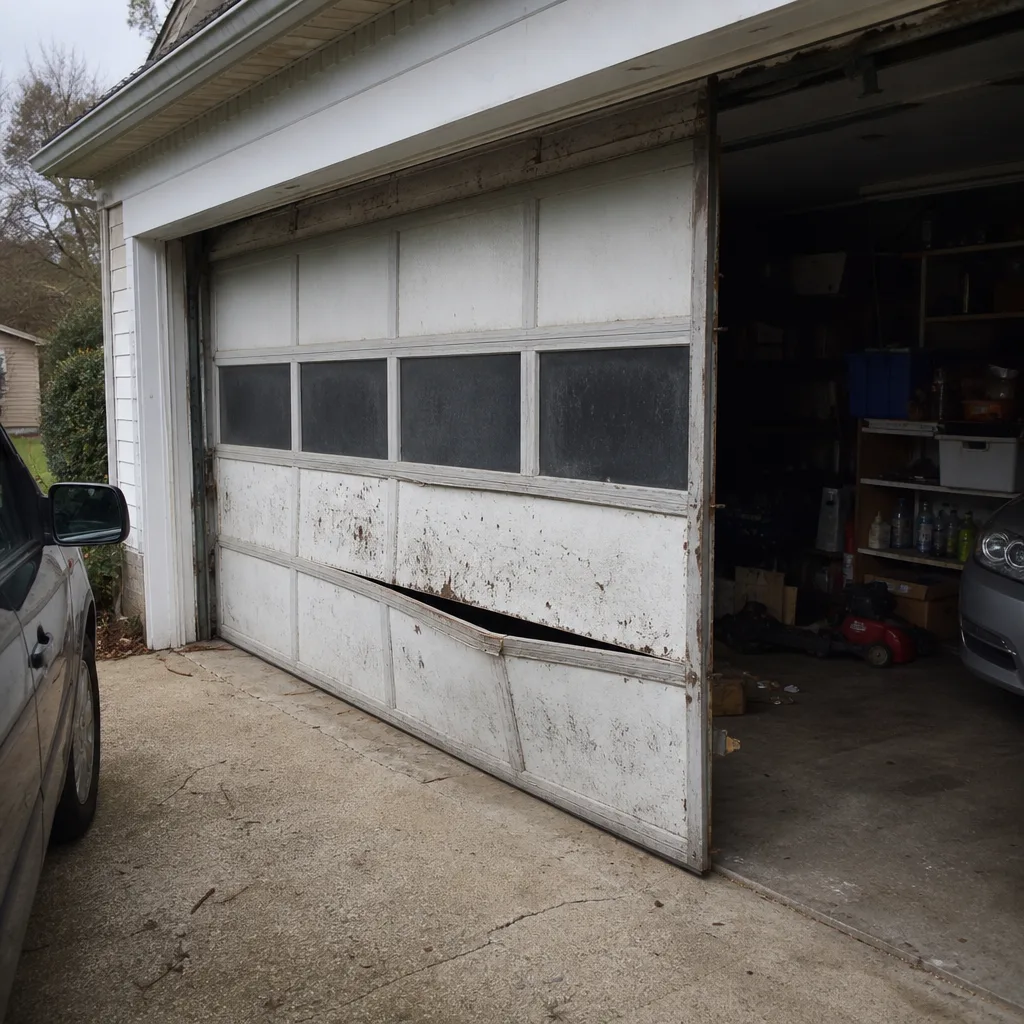 Before
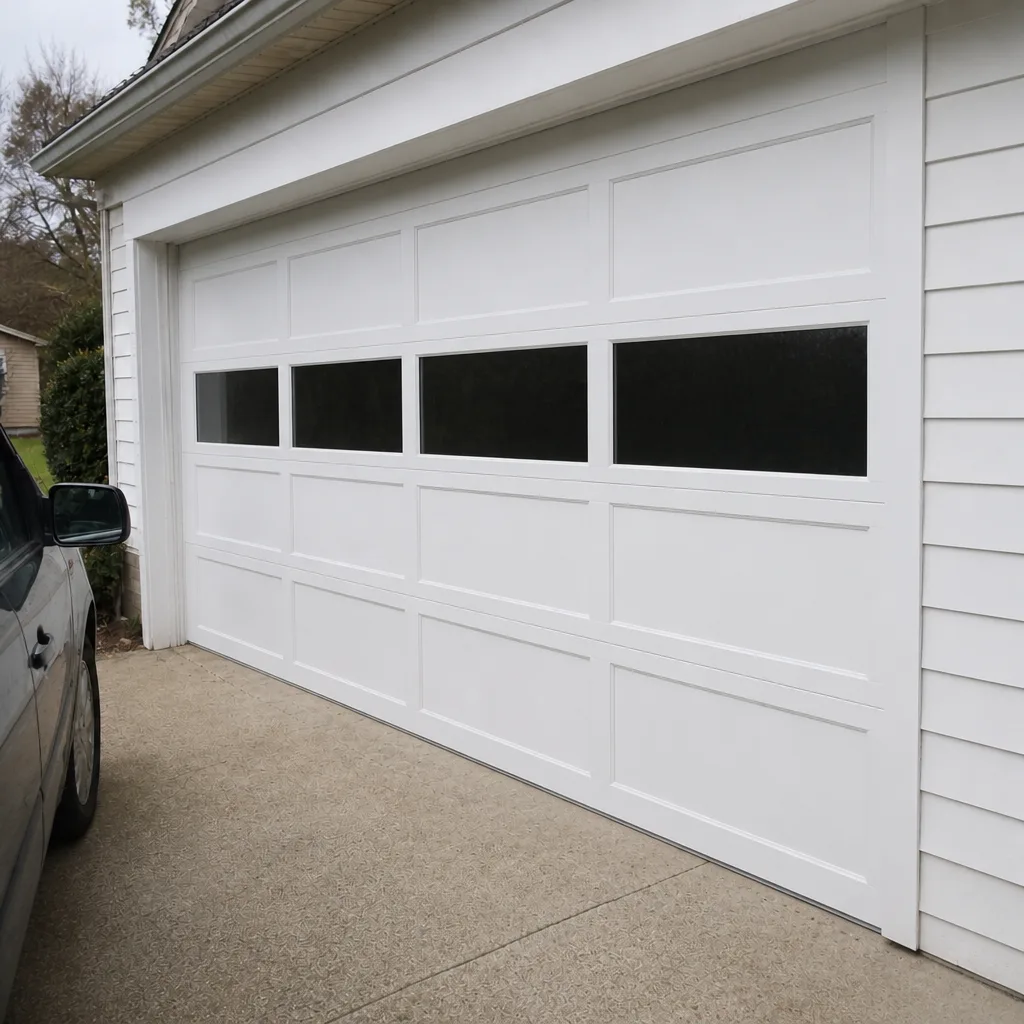 After
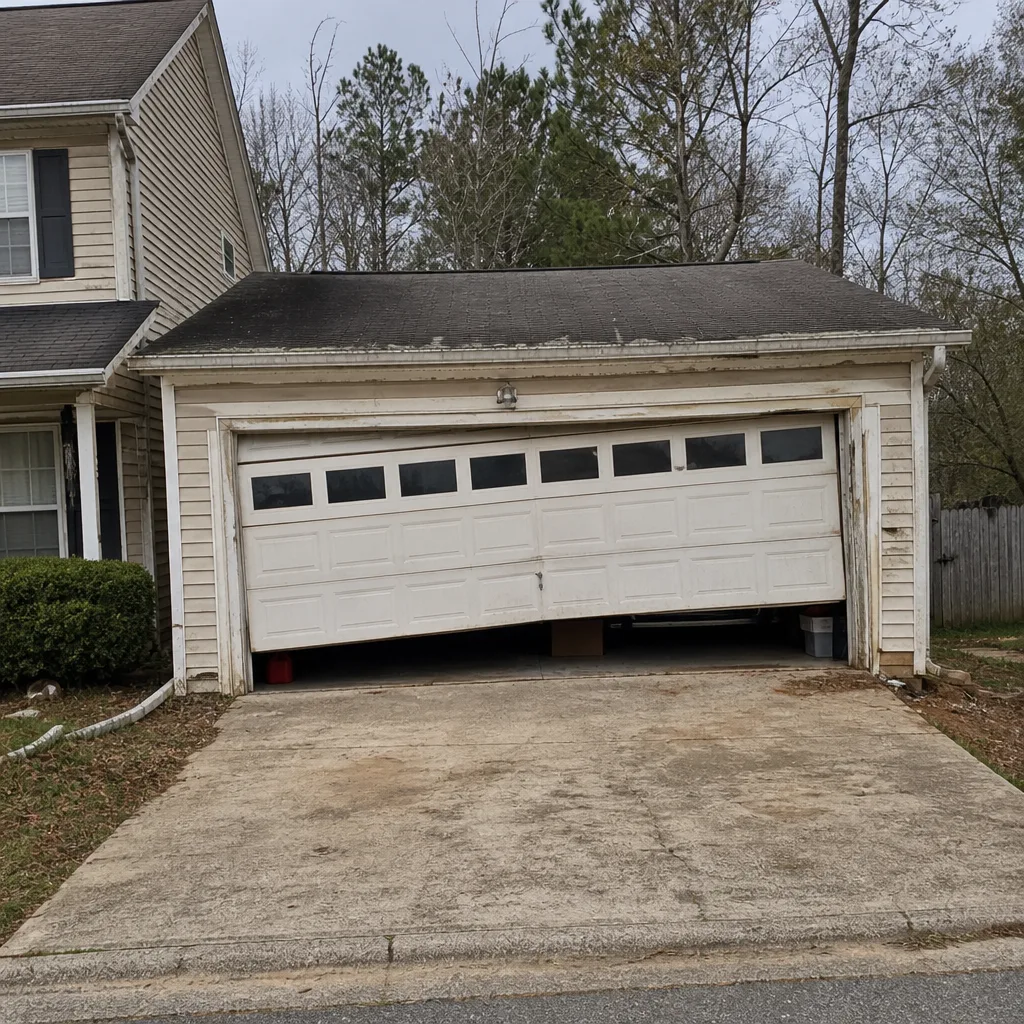 Before
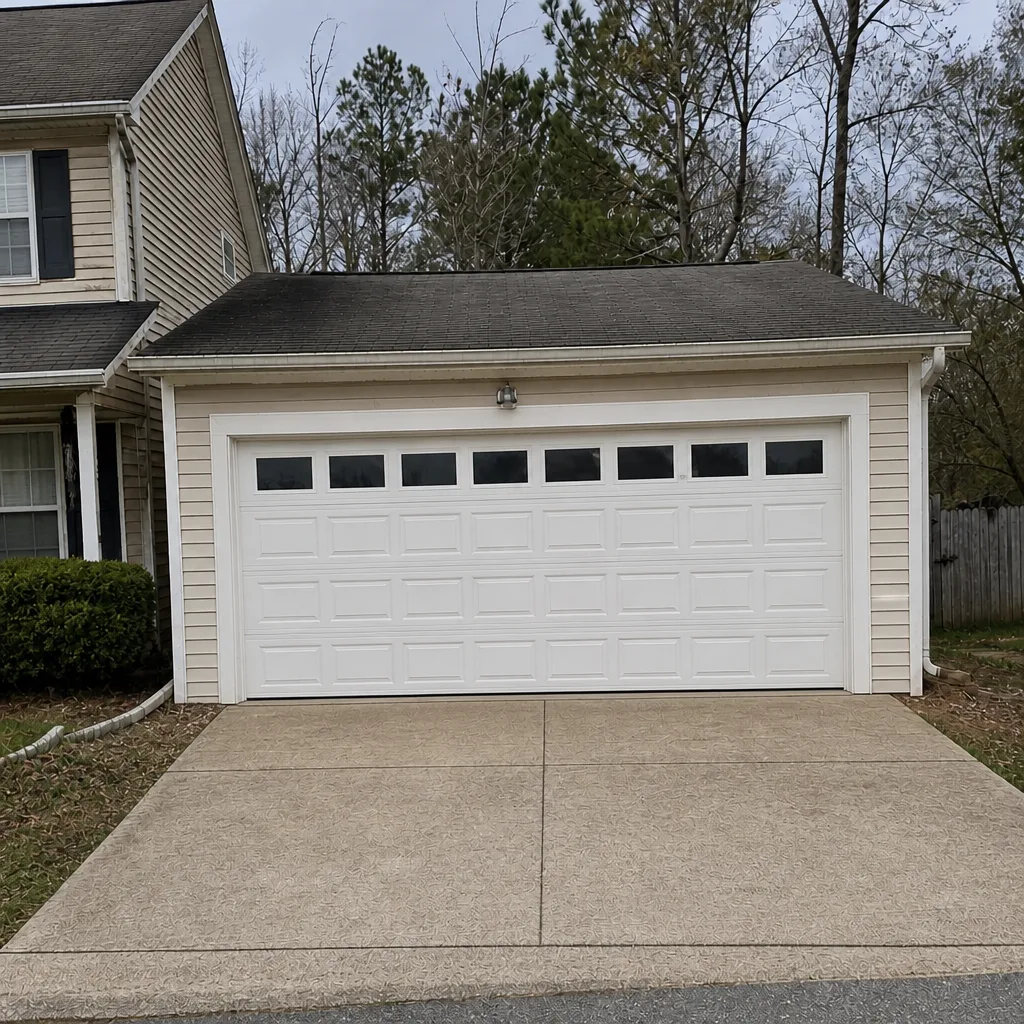 After
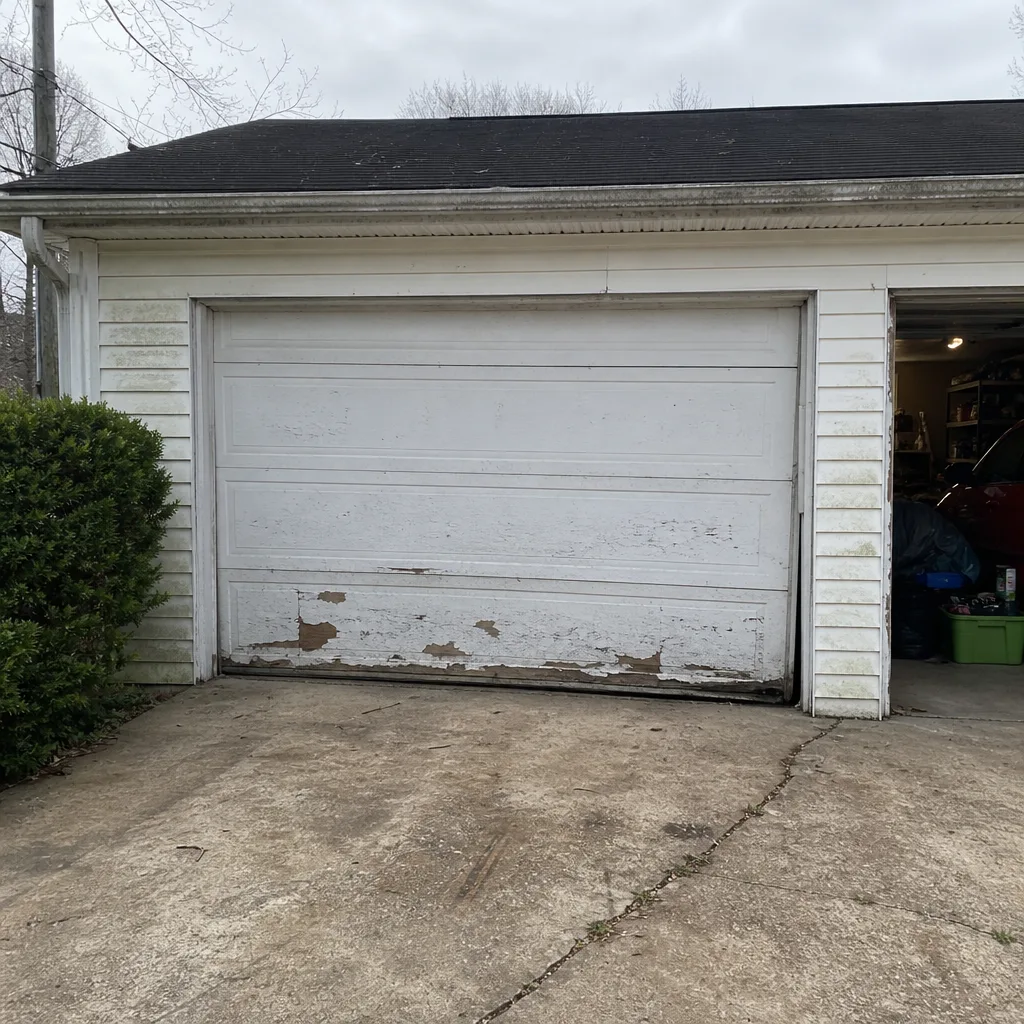 Before
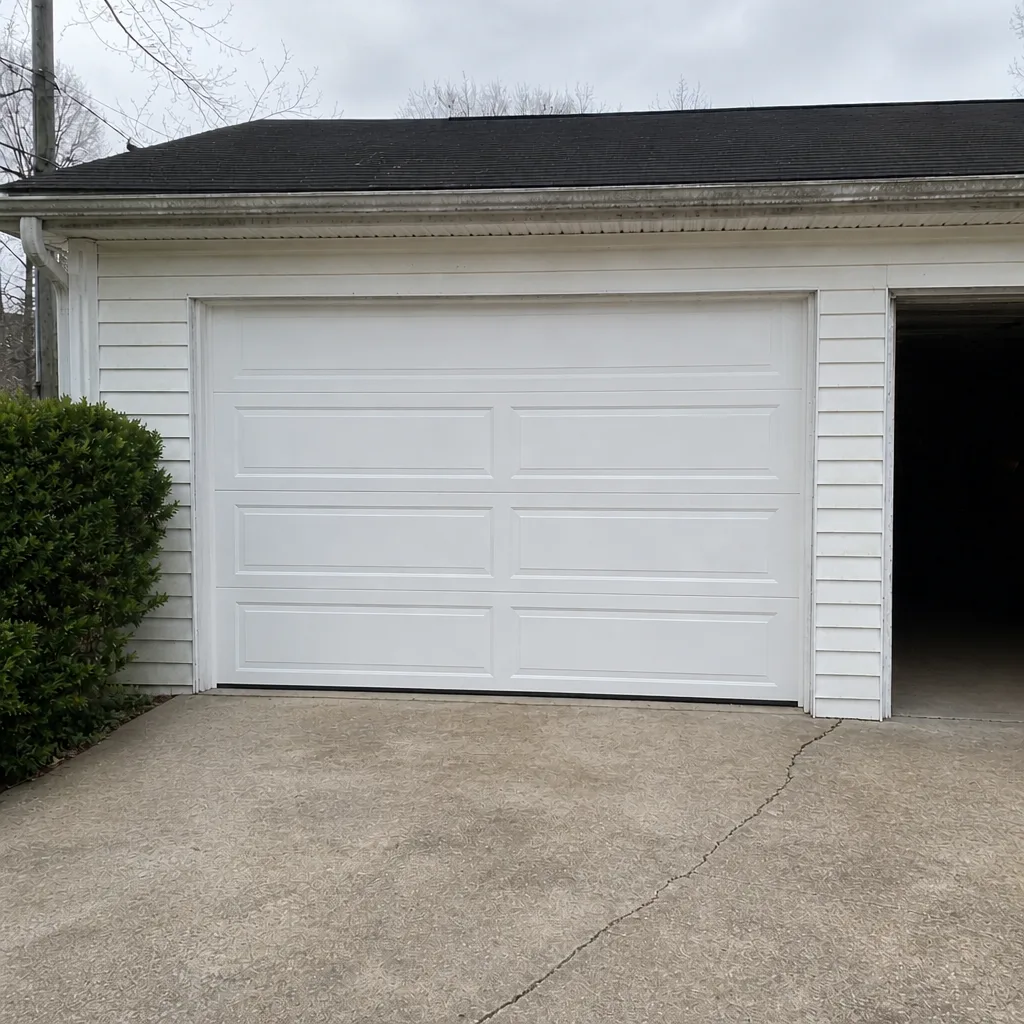 After
When to Call a Professional
Some garage door issues are safe to look at. Some aren’t. Call a professional when a spring has snapped or a door won’t lift, when the door comes off its tracks, when the opener reverses or stops halfway, or when a panel or the frame has storm damage. Spring and cable work is genuinely dangerous – those parts are under high tension, and a mistake can cause serious injury – so leave it to a trained technician. A door that won’t close, or one that slams down, is also a call-now situation, not a wait-and-see. If your door is stuck and you need it working, we offer emergency garage door service. Garage Door Repair Gainesville Pros offers free estimates in Gainesville – call (833) 968-8548.
Frequently Asked Questions
Repair pricing depends on the part and the problem – a spring, an opener, a panel, or a track issue all fall in different ranges, and the written estimate you get before work starts is the price you pay. Call (833) 968-8548 for an exact quote – estimates are free.
We offer emergency garage door service structured for fast response when a door won’t open or close, and fast dispatch runs from 7am to 7pm. If your door is stuck, call (833) 968-8548 and we’ll get you the soonest available slot.
No – the price is quoted and agreed before any work starts. We diagnose the actual problem, give you a written estimate, and the written estimate sets the final price. Call (833) 968-8548 to book a free estimate.
The local professionals we connect you with are licensed and insured as their state requires. We confirm the credentials of the pro before any work is scheduled, and our technicians have up to 13 years of experience. Call (833) 968-8548 to talk through your job.
We service eight of the most common brands, including LiftMaster, Chamberlain, Genie, Clopay, Amarr, Wayne Dalton, Craftsman, and Raynor – no brand lock-in. If your door or opener is one of these, we can diagnose it based on the actual problem. Call (833) 968-8548 for a free estimate.
A straight same-size replacement often doesn’t need a permit, but any change to the opening size or the wall usually does. Because rules vary by jurisdiction, ask the City of Gainesville or Hall County building department about your specific plan. Call (833) 968-8548 if you’d like help understanding what the replacement involves.
The Bottom Line
A garage door in Gainesville lives in a specific climate: humid summers, wet winters, clay soil, and storm-season power flickers. Match your material to that humidity, spec corrosion-resistant hardware near Lake Lanier, add a battery backup to your opener, and check with the building department before any structural change. Springs are the part to respect – never force a door with a broken spring. Whether you need a repair, an opener fix, or a full new door, one call can cover it, with a free estimate and a written price before work starts. See our Garage Door Repair Gainesville Pros page to get started.
Call (833) 968-8548 for a free estimate on any garage door repair, opener repair, spring repair, or new installation in Gainesville.
Written by the team at Garage Door Repair Gainesville Pros.