Last updated November 23, 2026
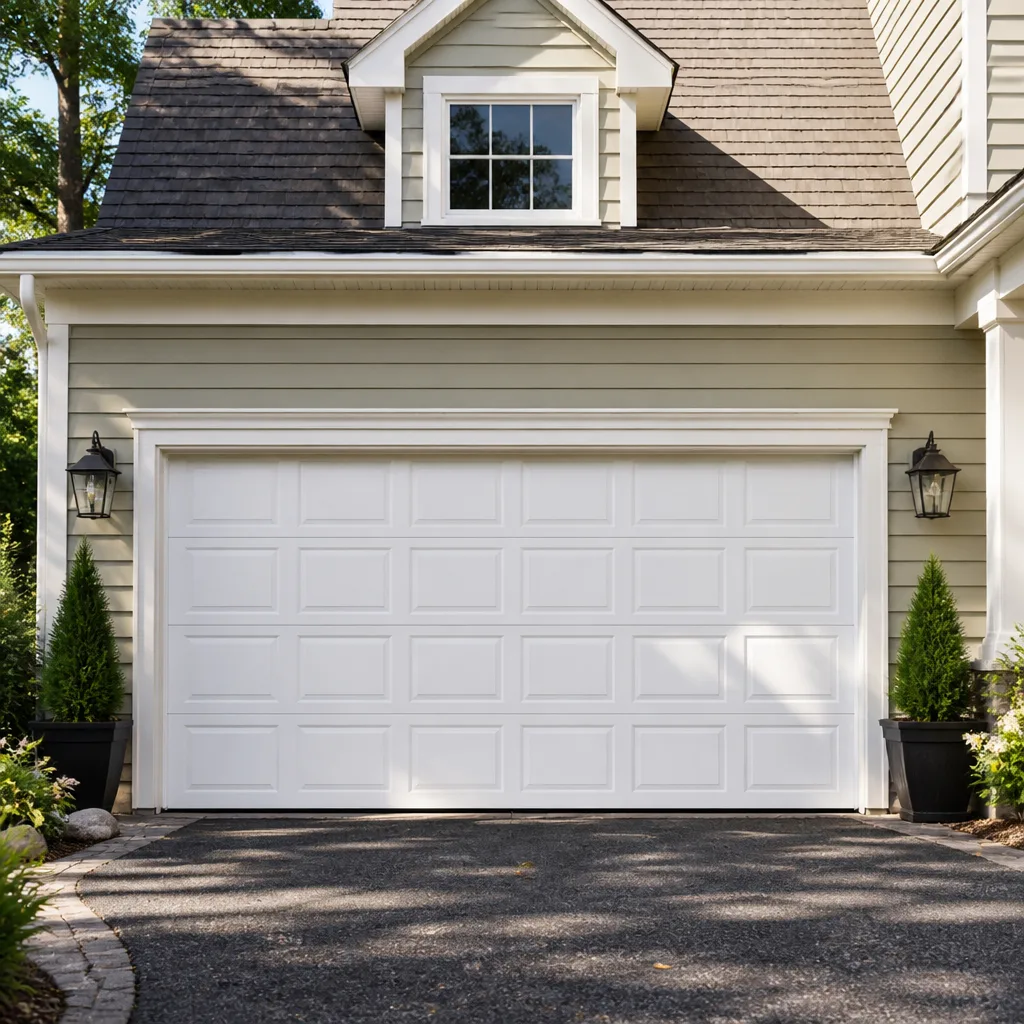 Raised-panel steel
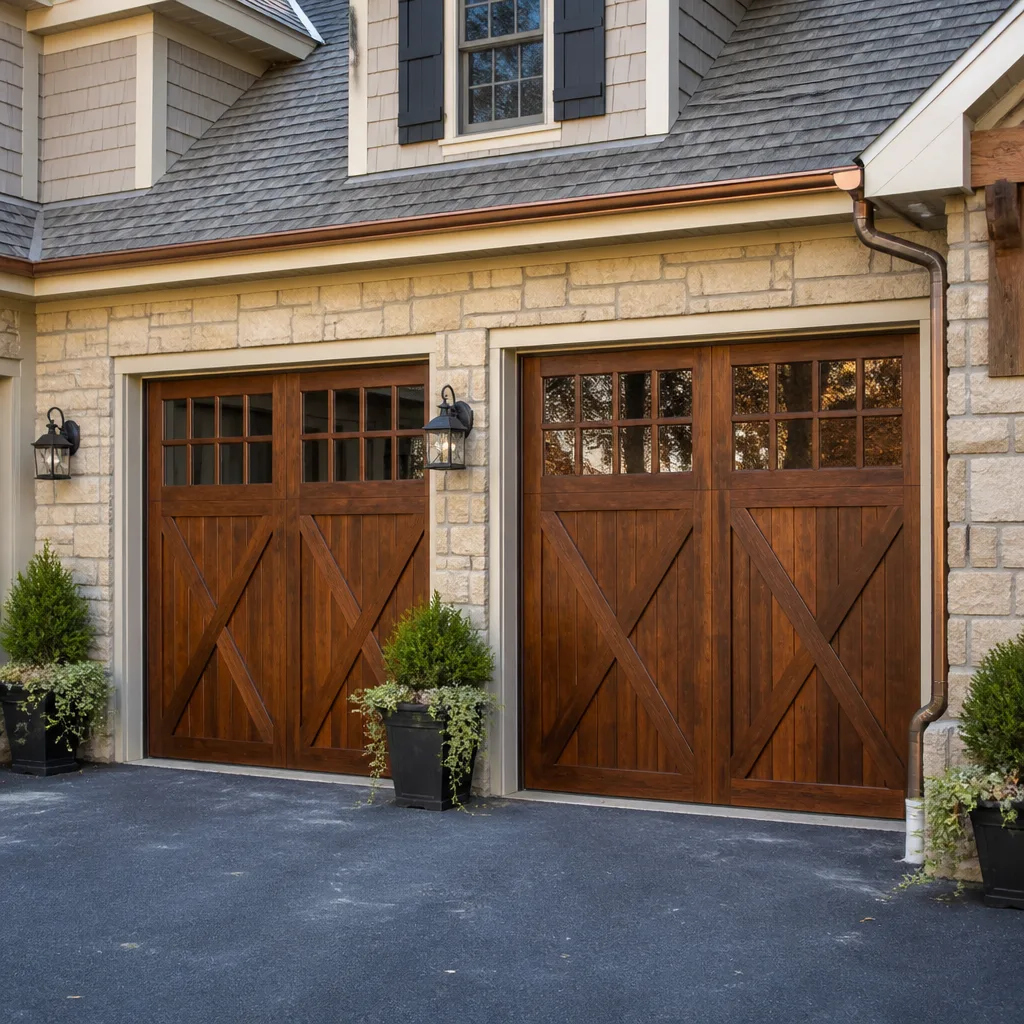 Carriage house
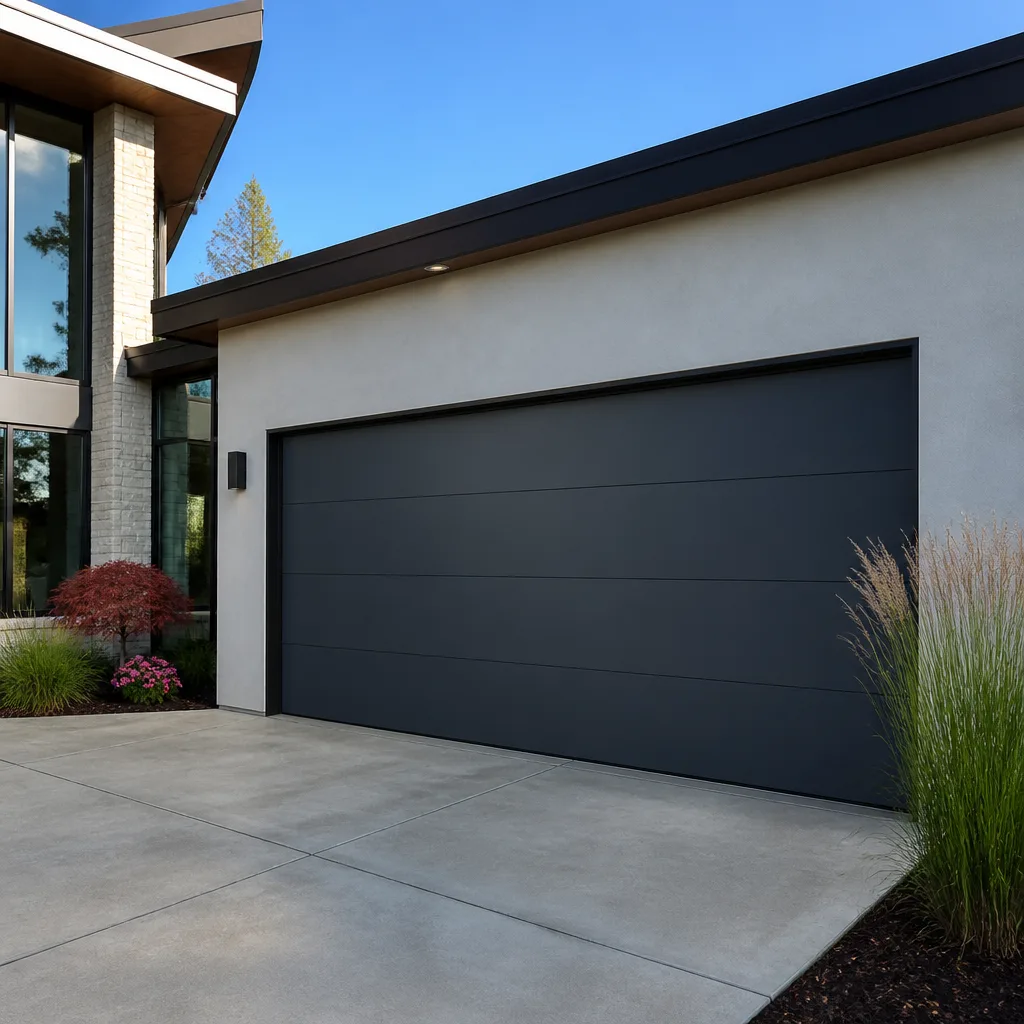 Modern flush
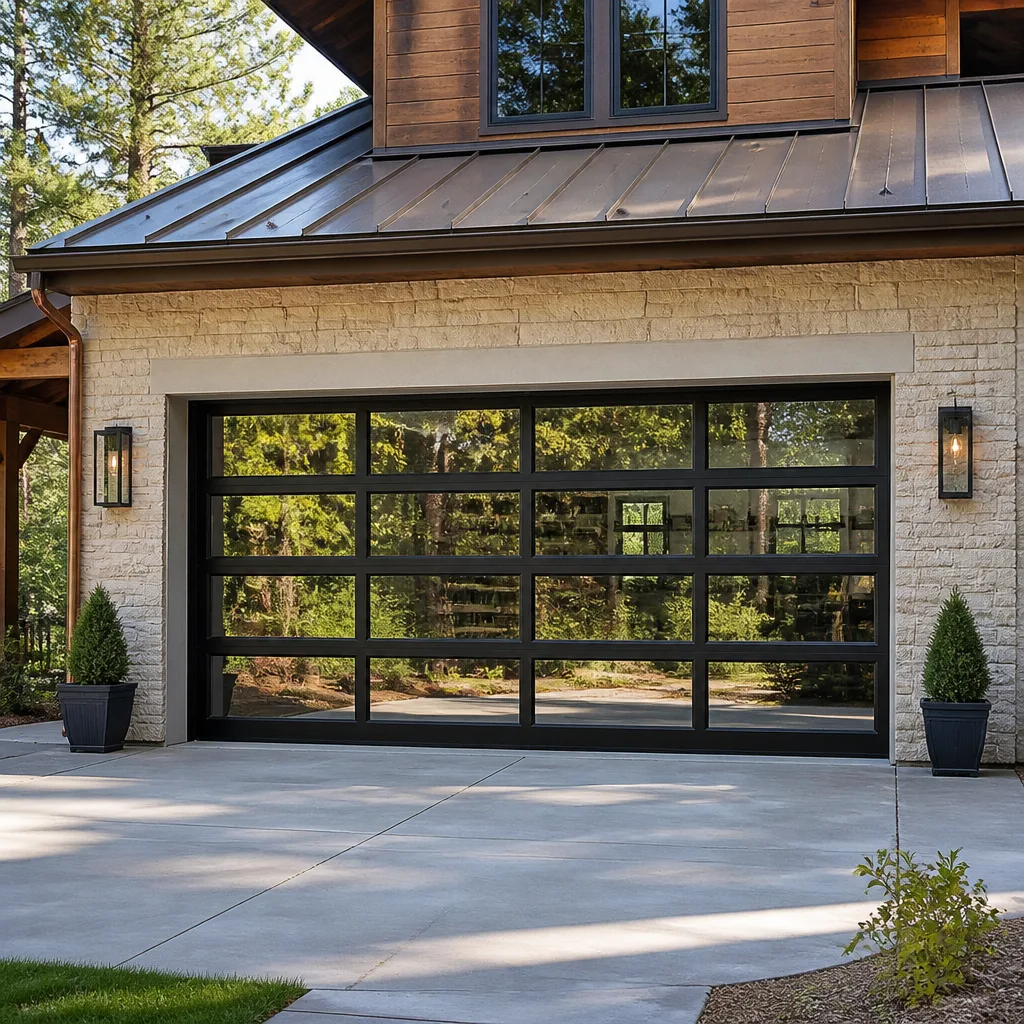 Full-view glass
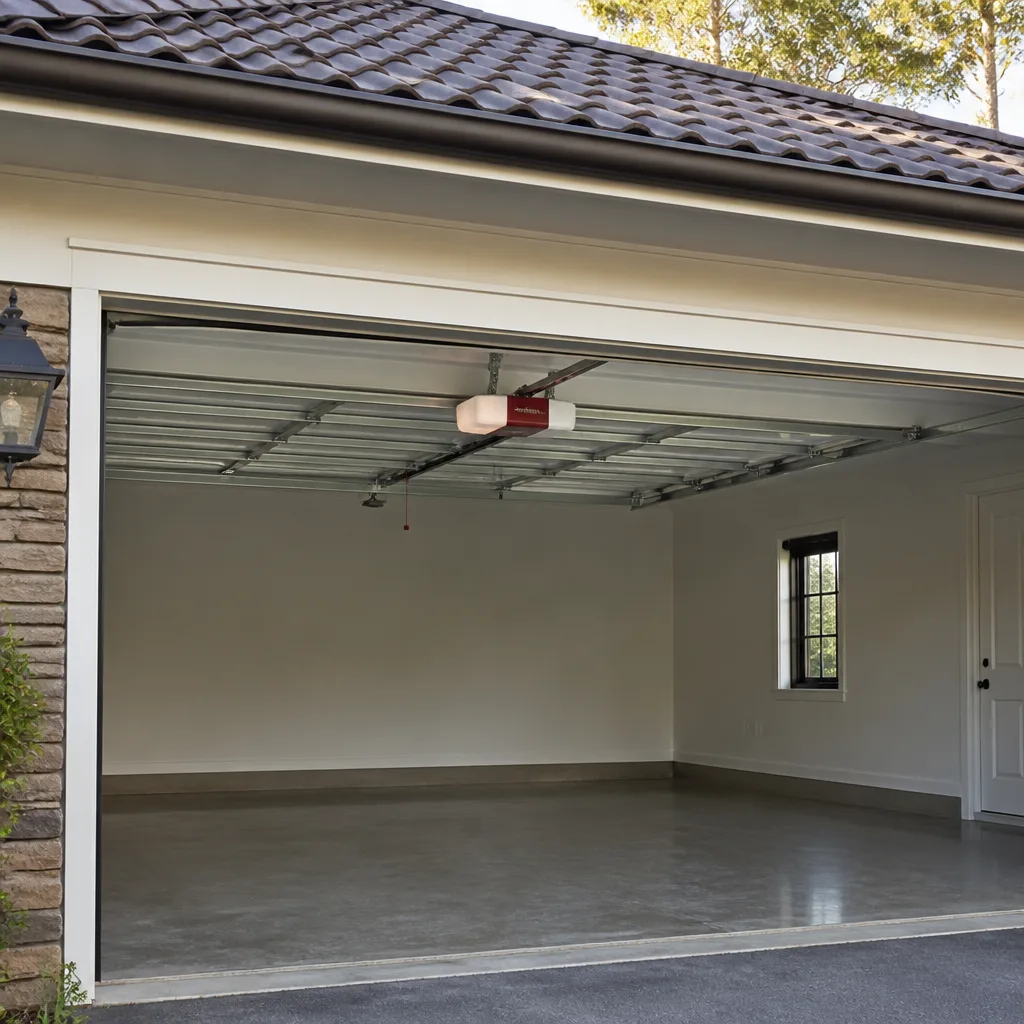 LiftMaster openers
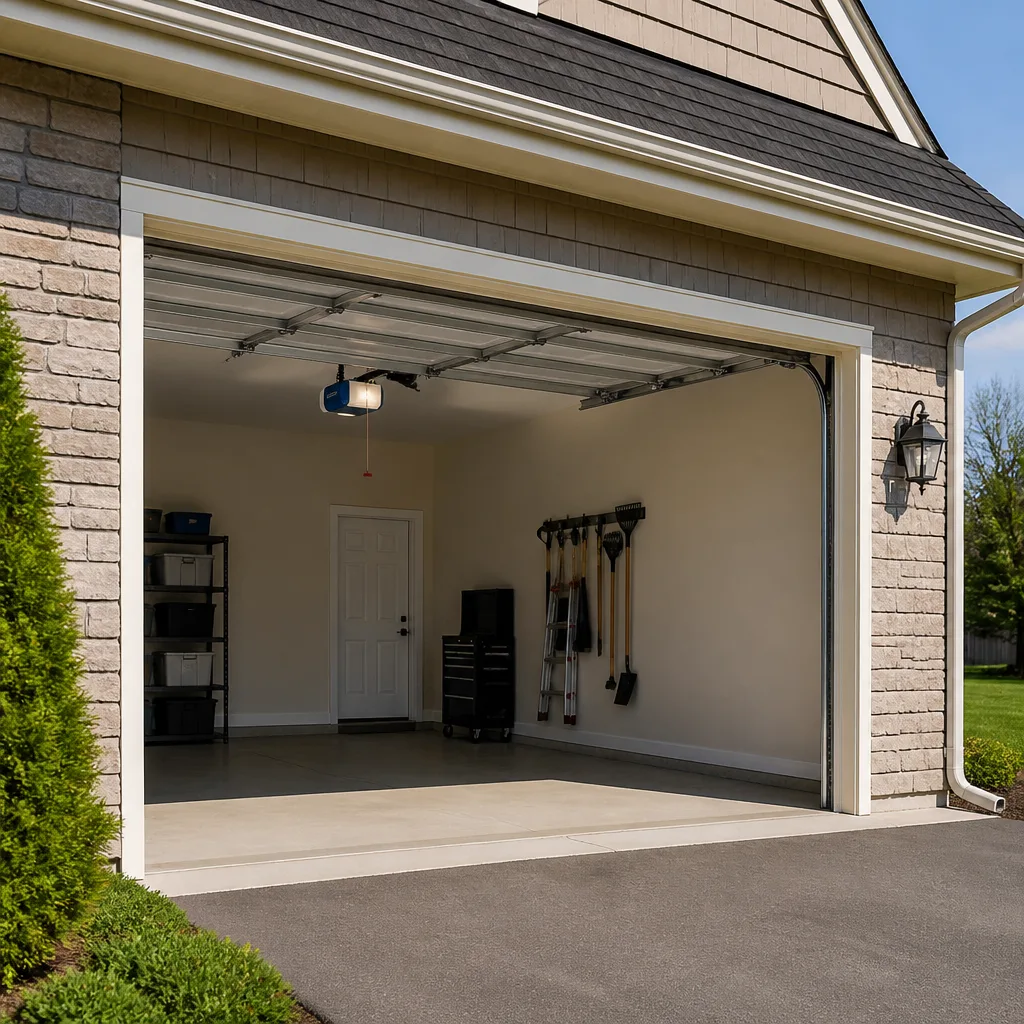 Chamberlain openers
Full 25-point door and opener safety check with every visit - springs, cables, rollers, tracks, and your LiftMaster or Chamberlain opener included
You get a price before we start. It does not change when the pro arrives.
Get your free estimateSeasonal Garage Door Care for Gainesville: Year-Round Homeowner’s Guide
Most garage door advice you’ll read was written for a place with four tidy seasons. Gainesville isn’t that place. February here is often the month we field the most emergency calls, and ice isn’t the reason. It’s the freeze-thaw swing between a January cold snap and a 60-degree February afternoon, a cycle that cracks weatherstripping and seizes springs at the same time. Our technicians have up to 13 years of experience working on doors in this climate, and the pattern is consistent year after year. This guide maps the actual Gainesville calendar, month by month, so you can stay ahead of the failures this region actually produces instead of generic winter-prep advice that doesn’t fit.
Quick Answer
Seasonal garage door care in Gainesville means matching maintenance to four real cycles, not four calendar seasons: a wet season, a heavy pine and oak pollen season, a long heat-and-humidity plateau, and a short freeze-thaw window. The highest-value tasks are lubricating springs and hinges before the first cold snap, clearing pollen from safety sensors and the bottom seal each spring, watching wood door cores through the humid months, and removing leaf debris from the door’s base before winter. A simple inspection each month catches most of what this climate throws at a door.
Styles & brands we work with
- Raised-panel steel
- Carriage house
- Modern flush
- Full-view glass
- LiftMaster openers
- Chamberlain openers
Table of Contents
- Your Month-by-Month Care Map for Gainesville
- Spring Pollen Season: Why It Hits Garage Doors Harder Here
- The Summer Humidity Ceiling and What It Does to Your Door
- The Freeze Threshold That Stops Your Grease Cold
- Fall Debris and Bottom Seal Failures
- Lubrication: What to Use and When
- What to Check Yourself and What to Leave Alone
- Brand-Specific Care and When to Book a Service Call
Your Month-by-Month Care Map for Gainesville
Gainesville doesn’t hand you four clean seasons, so a generic “winterize in fall, spring clean in spring” schedule misses the real stress points. Below is the map we walk homeowners through, built around how this area’s weather actually arrives. It’s an inspection rhythm, not a repair schedule: most months you’re looking and listening, and only occasionally cleaning or lubricating.
Use this as a standing checklist you can pin inside the garage:
- January: After any cold snap, open and close the door fully once and listen for grinding or a lag. Cold stiffens grease and can reveal a spring that’s close to failing.
- February: Check weatherstripping along the bottom and sides for cracks or gaps. This is the freeze-thaw month, and seals take the brunt of it.
- March and April: Wipe the safety sensors and clean the bottom seal weekly during peak pollen. Look for yellow-green film on the photo-eye lenses.
- May: Test the door’s balance by hand (with the opener disengaged) and check that it stays put halfway open. Balance problems show up as the humidity climbs.
- June through September: Watch wood door cores and any painted surfaces for swelling or bubbling. Keep the bottom seal clear so trapped moisture can escape.
- October and November: Clear leaves and debris from the door’s base and the tracks. Check that the bottom seal still makes contact across the full width.
- December: Lubricate springs, hinges, and rollers before the first hard freeze, and tighten any hardware that’s worked loose over the year.
On a typical Gainesville door, this rhythm takes maybe ten minutes a month. The payback is catching a worn seal or a dry spring before it becomes a snapped one. When something does fail, our Garage Door Repair Gainesville Pros team can take a look and tell you exactly what’s going on.
Spring Pollen Season: Why It Hits Garage Doors Harder Here
North Georgia’s pine and oak pollen load is heavy, and it settles on everything that sits still, including your garage door. Two parts of the system suffer most: the safety sensors and the bottom seal. Pollen coats the photo-eye lenses until the door decides something’s in the way and refuses to close, or closes and immediately reverses. The bottom seal collects a gritty film that works into the rubber and breaks down its flexibility faster than in regions with lighter pollen.
Here’s what to do through March and April:
- Wipe the sensors weekly. A soft dry cloth on each photo-eye lens clears the film before it causes false trips. Don’t spray cleaner directly on the lenses.
- Wash the bottom seal. A damp rag along the seal removes the grit that grinds into the rubber.
- Check the sensor alignment. If the door still won’t close after cleaning, the beam may be knocked out of line. A small indicator light on most units tells you whether the beam is making contact.
- Watch for hesitation. A door that closes partway and reverses is usually a sensor issue, not a motor problem.
We see more false-trip sensor calls in Gainesville during pollen season than at any other time of year, and most clear up with a five-minute cleaning. If yours doesn’t, a sensor replacement is a quick job. The opener side of the system is where we spend a lot of time, and if pollen season turns into an opener problem, our garage door opener repair service covers the full range of units, from older Craftsman models to newer LiftMaster and Chamberlain systems with connected features.
The Summer Humidity Ceiling and What It Does to Your Door
Through the summer, Gainesville regularly pushes past 85% relative humidity, and that number matters most if you have a wood door. Wood absorbs moisture through its core and any exposed edges, which causes swelling, warping, and paint that bubbles or peels. A steel or aluminum door handles humidity better, but the bottom seal and any exposed hardware still feel it. The humid months are when small seal problems turn into bigger ones, because trapped moisture has nowhere to go.
What to monitor from June through September:
- Wood door cores: Run your hand along the bottom edge and the panel seams. Softness or a spongy feel means moisture is getting in.
- Paint and finish: Bubbling or flaking paint on a wood door is a sign the surface is holding water. It needs attention before the core suffers.
- Bottom seal contact: If the seal doesn’t sit flush, humid air moves under the door and into the garage. That drives up the humidity inside and stresses everything stored there.
- Hardware and hinges: Surface rust on hinges and rollers is common in this climate. A light coat of lubricant keeps them moving.
If you’re weighing whether to repair a humidity-damaged door or replace it, a free estimate is the fastest way to decide. Our garage door repair team can tell you whether the door is worth saving, and our garage door installation service handles the replacement if it isn’t. Either way, you’ll get a written price before anything starts.
The Freeze Threshold That Stops Your Grease Cold
Standard garage door grease has a working range, and when temperatures drop past its cold limit, it thickens and stops doing its job. The number that matters is the point where the grease you’re using loses its flow, which for many general-purpose greases sits well below freezing. When the lubricant stiffens, springs, hinges, and rollers drag, and the opener works harder to move a door that should glide. In Gainesville, the January cold snaps are short but sharp enough to expose a door that was never lubricated for cold.
The fix is straightforward: before the first hard freeze, clean the old grease off the springs and hinges and apply a lubricant rated for cold weather. A low-temperature grease or a silicone-based lubricant keeps its flow better than standard grease when the thermometer drops. The same applies to tracks and rollers, which pick up grit through the year and drag harder once the cold sets in.
While you’re at it, this is the season to check your weatherstripping closely. The freeze-thaw swing between a cold night and a mild afternoon flexes the seals repeatedly, and that’s the cycle that cracks them. If the rubber along the bottom or sides feels stiff or shows small splits, replacing it before winter saves you a drafty garage and a bigger repair later.
Fall Debris and Bottom Seal Failures
Gainesville’s tree canopy is heavy, and when the leaves come down they collect right where your garage door meets the ground. That’s a problem for the bottom seal. Leaves and grit trapped under the seal get pressed into the rubber every time the door closes, and over a fall season that wears the seal thin or tears it loose. By the time winter arrives, the seal that should keep out cold air and moisture is failing, and the door’s base is the first place you’ll feel it.
Here’s how to stay ahead of it:
- Sweep the threshold weekly through the fall, especially if your driveway sits under trees.
- Check the seal’s full width once a month. Look for gaps, tears, or sections that no longer touch the ground.
- Clear the tracks of leaves and twigs. Debris in the tracks makes the door drag and can throw it off balance.
- Look at the door’s bottom edge for rust or rot where debris has been sitting against it.
A worn bottom seal is one of the cheapest parts to replace and one of the most important for keeping your garage dry and your energy use down. If the seal has failed and you want it sorted before the cold sets in, give us a call. The same goes for doors that have developed a rattle or a wobble over the fall, since those often trace back to a loose hinge or a track that’s out of line.
Lubrication: What to Use and When
Lubrication is the single most useful thing you can do for a garage door, and the most common thing homeowners get wrong. Too much grease attracts dirt that turns into grinding paste. The wrong product stiffens in the cold or dries out in the heat. And some parts should never be lubricated at all. Here’s the practical version.
What to lubricate, and with what:
- Springs: A light coat of a garage-door-specific lubricant or a low-temperature grease. Apply a thin film, not a thick layer.
- Hinges and rollers: A silicone-based lubricant or a light spray that doesn’t collect dust. Wipe off excess.
- Bearings and the torsion shaft: A light application where metal meets metal, once or twice a year.
- Tracks: Never grease the tracks. Clean them with a damp cloth and leave them dry, since grease in a track attracts grit and causes drag.
Timing matters as much as the product. In Gainesville, lubricate before the first cold snap so the grease is already working when temperatures drop, and again in late spring as the humidity climbs. Wipe off old grease before applying new, since layered grease and dirt do more harm than good. If your door is metal and shows surface rust, address it early with a light sand and touch-up, because rust and moisture feed each other in this climate.
What to Check Yourself and What to Leave Alone
Some garage door maintenance is safe for a homeowner and some isn’t, and the line is important. Springs are the most dangerous component in the system. A torsion spring stores enormous energy, and if it lets go while you’re near it, the result can be serious injury. Extension springs carry the same risk. We’ve seen what happens when a homeowner tries to adjust or replace a spring without the right tools, and it’s not worth the risk. Your safety matters more than saving a service call.
Safe for you to do:
- Wipe down safety sensors and check they’re aligned.
- Clean the tracks with a damp cloth and remove debris.
- Lubricate hinges, rollers, and the springs from a safe position with the door closed, following the manufacturer’s guidance.
- Test the door’s balance with the opener disengaged and the door fully closed.
- Inspect seals and weatherstripping for cracks or gaps.
Leave to a trained professional:
- Any spring repair or adjustment, torsion or extension.
- Cable work, since cables are under tension and can snap.
- Track realignment when a door is off its tracks.
- Opener electrical work and panel wiring.
- Any job that requires the door to be held open while you work.
If you’re not sure which side of the line a task falls on, err on the side of caution and call. A quick phone conversation can tell you whether it’s a homeowner job or a service call, and we won’t push you toward a repair you don’t need.
Brand-Specific Care and When to Book a Service Call
Different systems have different quirks, and knowing yours helps you catch problems early. We work on all the major brands, so the diagnosis follows the actual problem, not whatever a tech happens to carry. A LiftMaster or Chamberlain opener with connected features behaves differently from an older mechanical unit, and the maintenance rhythm changes with it. Genie and Craftsman models have their own sensor and safety-reverse patterns. On the door side, Clopay steel doors, Amarr and Wayne Dalton models, and Raynor systems each handle this climate a little differently, especially through the humid months.
Book a service call when:
- The door reverses or won’t close and cleaning the sensors doesn’t fix it.
- You hear a loud bang from the garage and the door won’t lift.
- The door is visibly off its tracks or hanging unevenly.
- The opener runs but the door doesn’t move.
- The door feels heavy when you lift it by hand with the opener disengaged.
- A spring is visibly broken, stretched, or twisted.
Because our technicians have up to 13 years of experience on these systems, most calls come down to a clear diagnosis and a written price before any work starts. If a door won’t open at all, that’s where emergency garage door service comes in: we’re structured to respond when access to your home or vehicle is blocked. The same service applies whether you’re in Gainesville or anywhere we work.
Common Mistakes to Avoid
- Greasing the tracks. It feels like it should help, but grease in the tracks collects pollen and grit and makes the door drag. Clean them dry instead.
- Ignoring pollen until the door won’t close. In Gainesville, a dirty photo-eye sensor is the most common false-trip cause, and weekly wiping prevents a callout.
- Using the wrong lubricant in the cold. Standard grease stiffens in a January cold snap and strains the opener. Switch to a low-temperature product before winter.
- Letting leaves pile up at the threshold. Fall debris gets pressed into the bottom seal every time the door closes, and a worn seal means a drafty, damp garage all winter.
- Trying to fix a spring yourself. Springs store dangerous energy. This is the one job where a mistake can put you in the hospital. Leave it to a trained technician.
- Skipping the balance test. A door that won’t stay put halfway open is telling you the springs or cables are out of balance, and that gets worse in the summer heat.
- Assuming a dead opener is the opener’s fault. Often it’s a sensor, a remote, or a spring issue that’s tripping the safety reverse. Diagnose before you replace.
See the difference
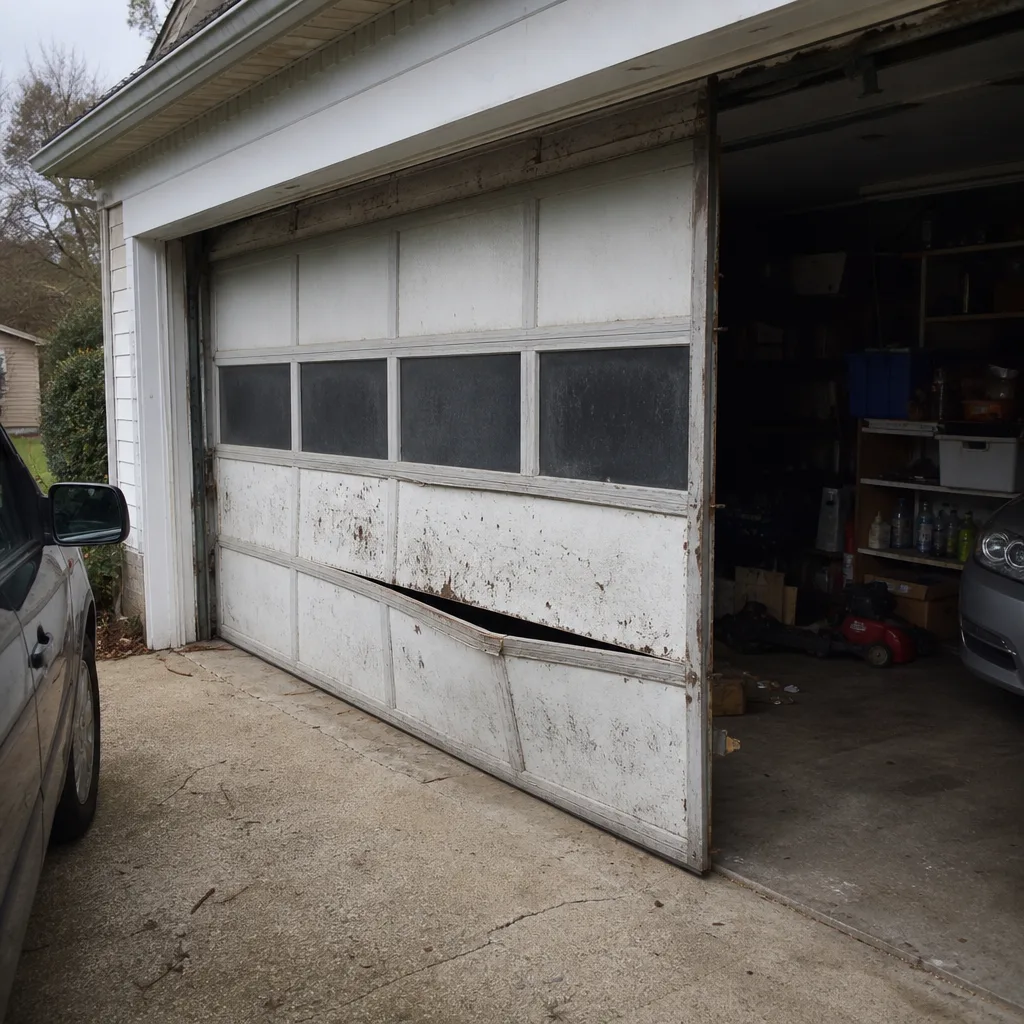 Before
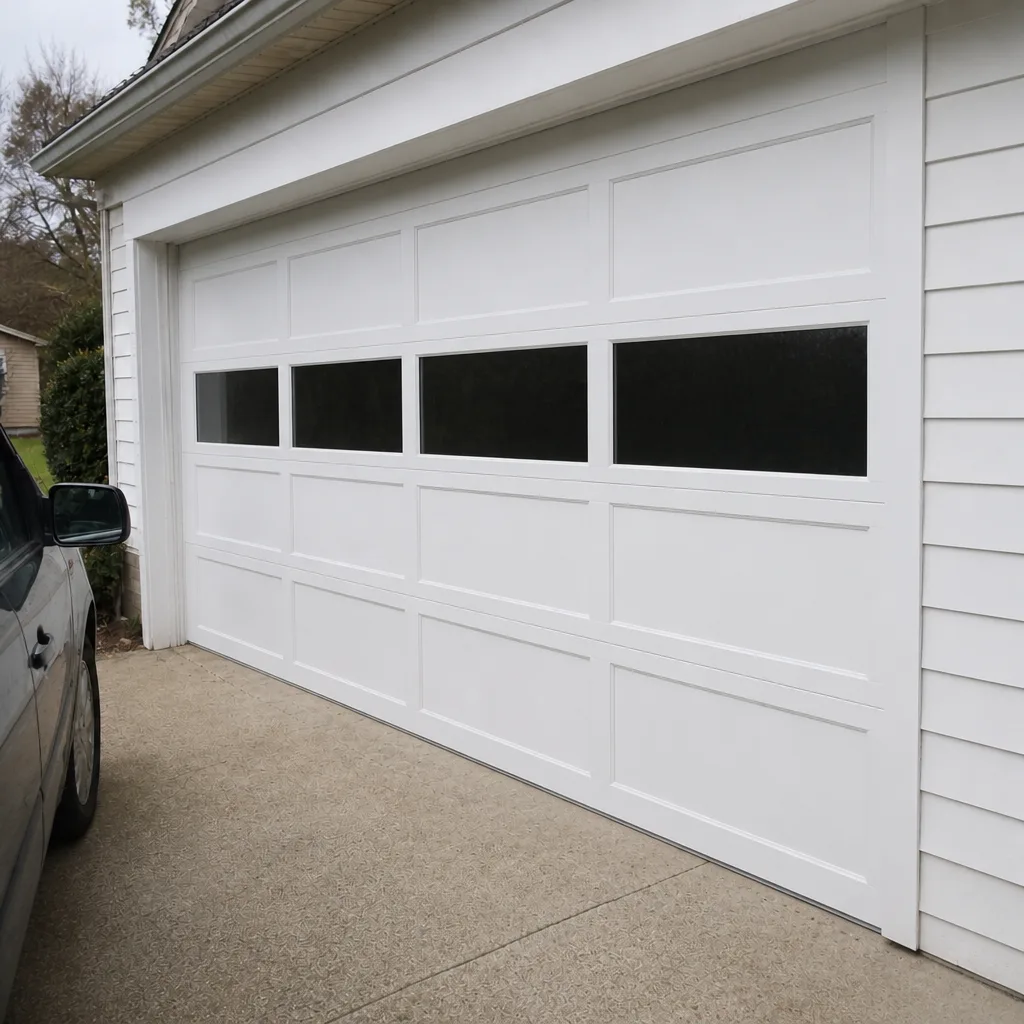 After
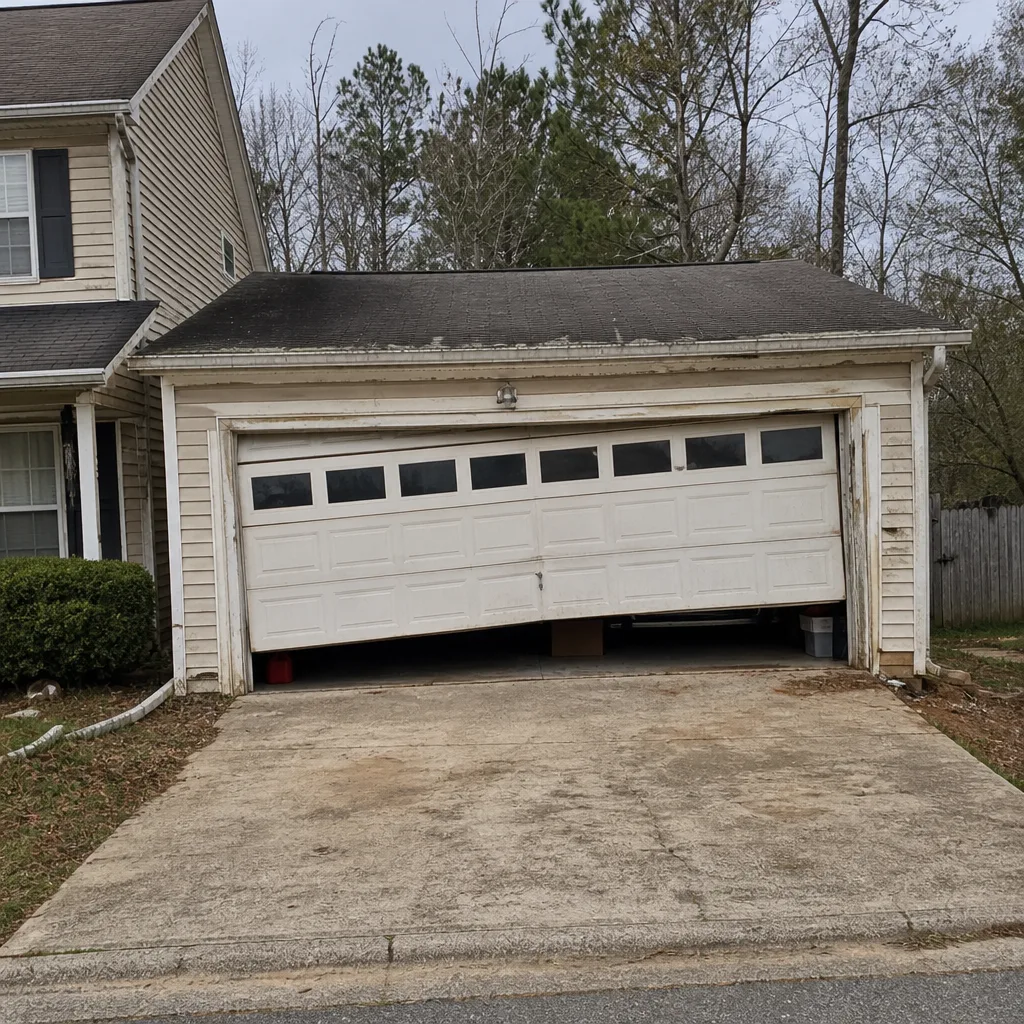 Before
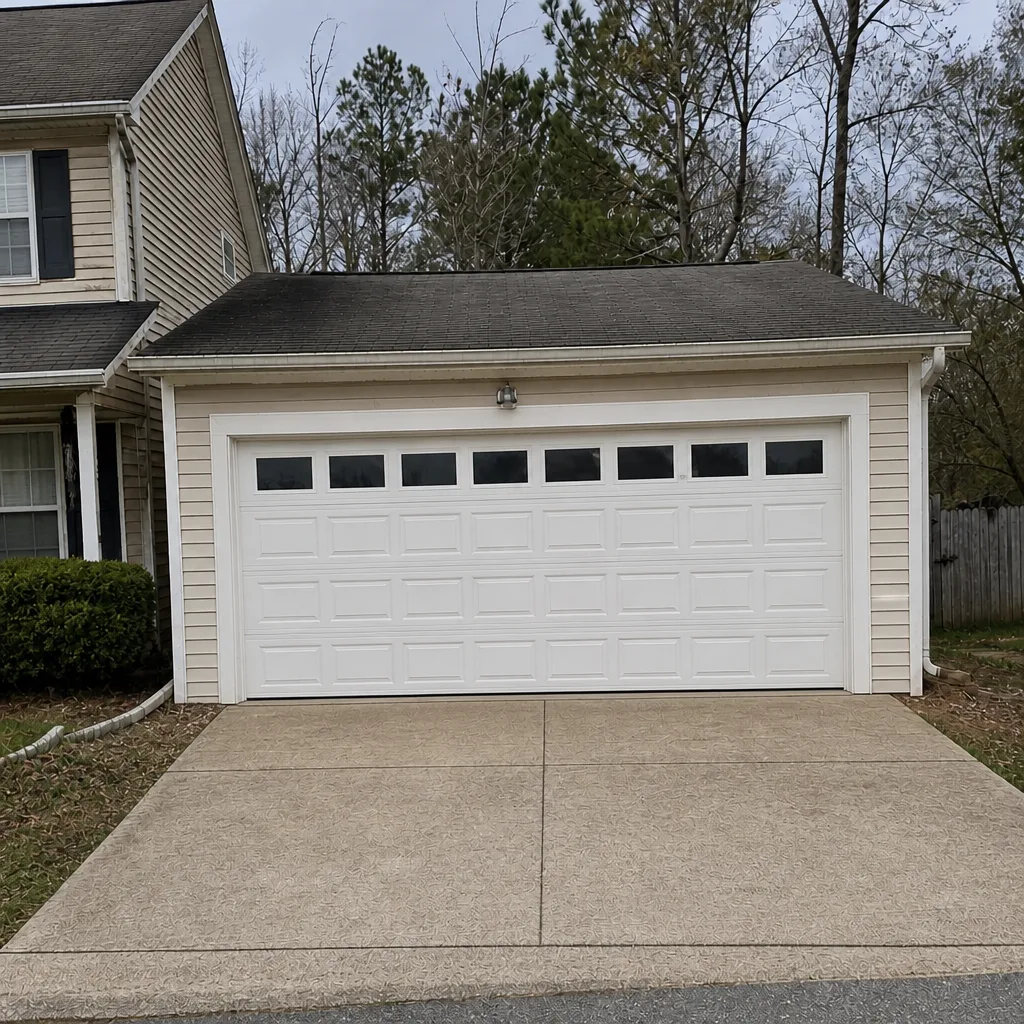 After
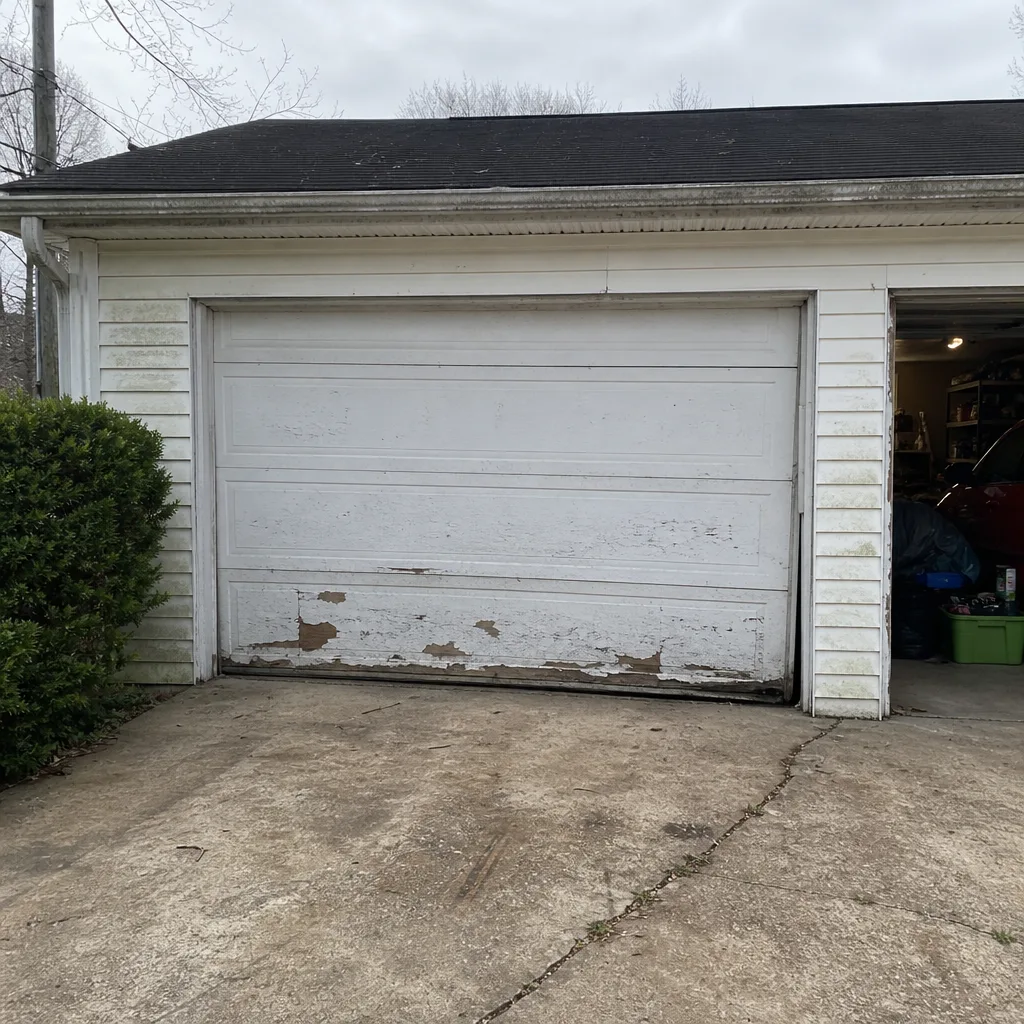 Before
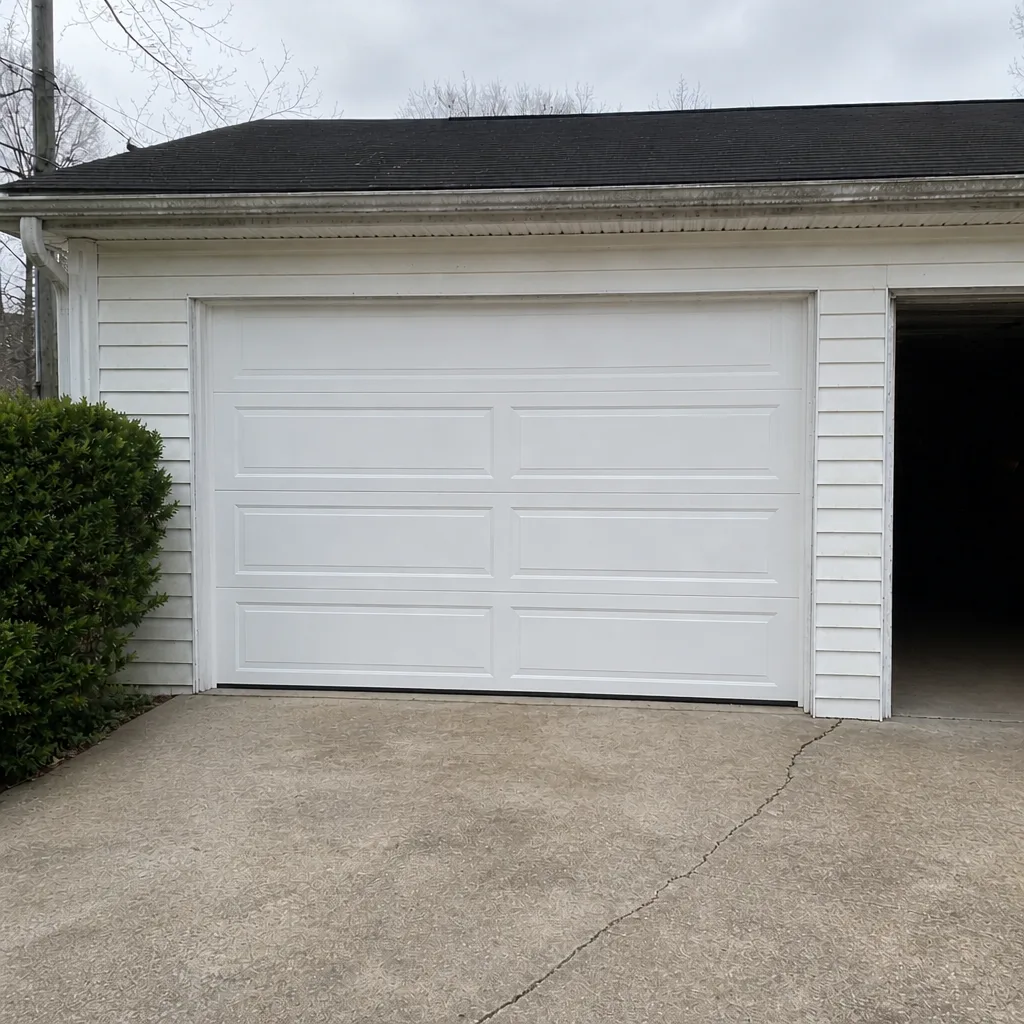 After
When to Call a Professional
Some seasonal care is genuinely yours to handle, and some isn’t, and the distinction keeps you safe. Call a professional when a door reverses or won’t close after you’ve cleaned the sensors, when you hear a bang from the garage and the door won’t lift, when a spring looks broken or stretched, when the door comes off its tracks, or when the opener runs but the door stays put. Any of those signals a problem a trained technician should see, not a homeowner. Garage Door Repair Gainesville Pros offers free estimates in Gainesville, so call (833) 968-8548 and describe what the door is doing. Our technicians have up to 13 years of experience diagnosing these systems, and the written estimate tells you exactly what the repair costs before we start.
Frequently Asked Questions
Once a year for a full professional service, with a quick monthly inspection on your own. Given Gainesville’s pollen season, humidity, and freeze-thaw window, the months between those service visits are when small issues appear. A quick look and listen each month, plus the seasonal checklist above, catches most of them early.
February’s freeze-thaw swing is the reason. A January cold snap followed by a 60-degree afternoon flexes the weatherstripping and stresses the springs repeatedly, and that cycle cracks seals and seizes springs faster than steady cold. February is when the cumulative damage from a winter of swings shows up. If your door is struggling, call (833) 968-8548 for a free estimate.
Yes, in two specific places: the safety sensors and the bottom seal. Pollen coats the photo-eye lenses until the door reverses or won’t close, and it works into the bottom seal’s rubber and breaks it down faster than in lighter-pollen regions. Wiping the sensors and cleaning the seal weekly through March and April prevents most of it.
It depends on the product, but most general-purpose greases lose their flow well below freezing, which is when springs and hinges start to drag. Before Gainesville’s first hard freeze, clean off the old grease and switch to a low-temperature or silicone-based lubricant so the door moves freely through the cold snap. If the door drags even after lubricating, call (833) 968-8548 and we’ll check the spring and balance.
No. Springs store enormous energy, and torsion and extension springs can cause serious injury if they release while you’re working on them. This is the one job we strongly recommend leaving to a trained technician. Spring repair is a core part of what we do, and we’ve seen how often a homeowner attempt ends in a call anyway.
If the door looks uneven as it rises, makes a grinding sound, or stops partway and won’t move, the tracks may be out of alignment. Don’t force it. A door that’s off its tracks can fall, so stop using the opener and call (833) 968-8548 for an estimate.
The Bottom Line
Gainesville’s garage doors don’t follow the standard four-season maintenance advice, and treating them that way leaves you exposed to the failures this climate actually produces. The rhythm that works is this: lubricate before the cold snaps, guard the sensors and seals through pollen season, watch wood and hardware through the humid months, clear the threshold before winter, and leave springs and cables to a trained professional. A ten-minute monthly check catches most problems early. When something does go wrong, one call covers the door and the opener, and the written estimate tells you the price before any work starts.
If you’d like a professional eye on your door before the next season turns, call (833) 968-8548 for a free estimate. We’ll tell you what your system needs and what it can wait on, and you decide from there.
Written by the team at Garage Door Repair Gainesville Pros.