Last updated November 23, 2026
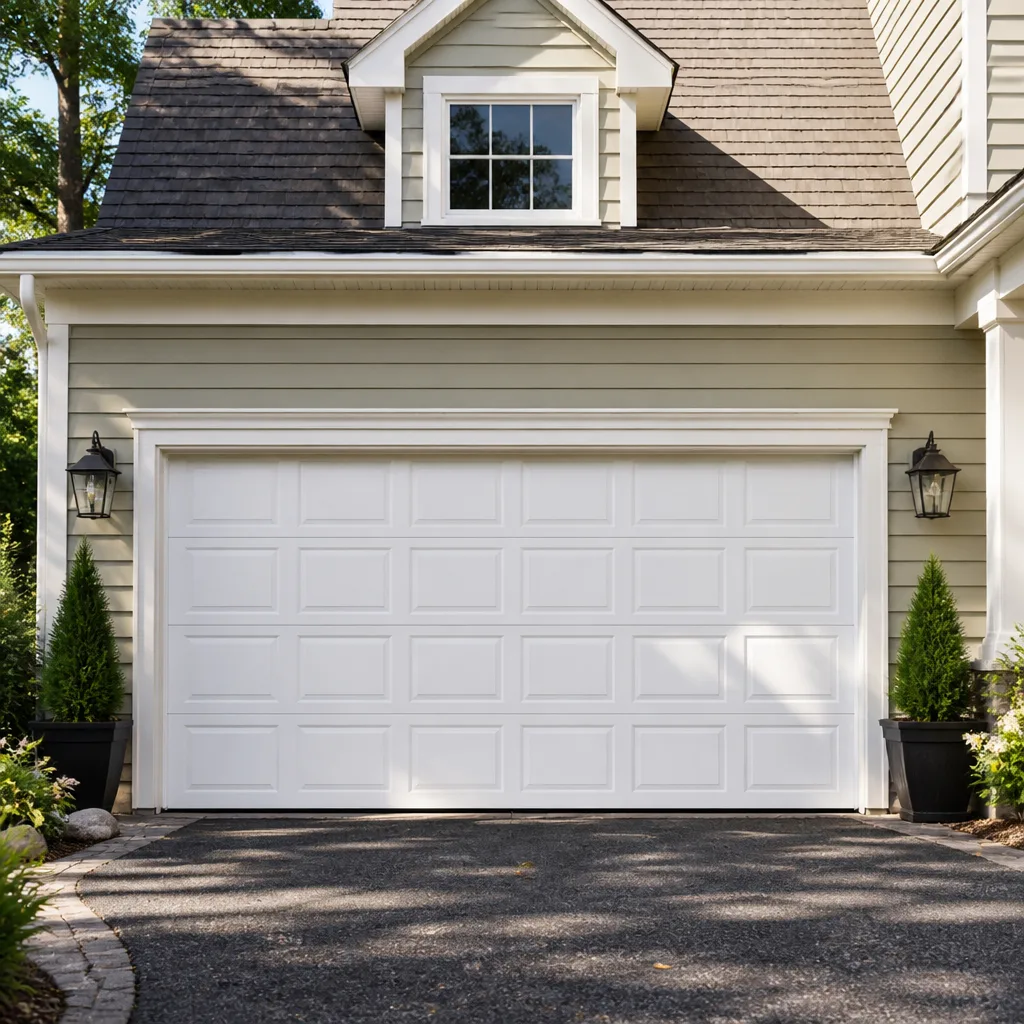 Raised-panel steel
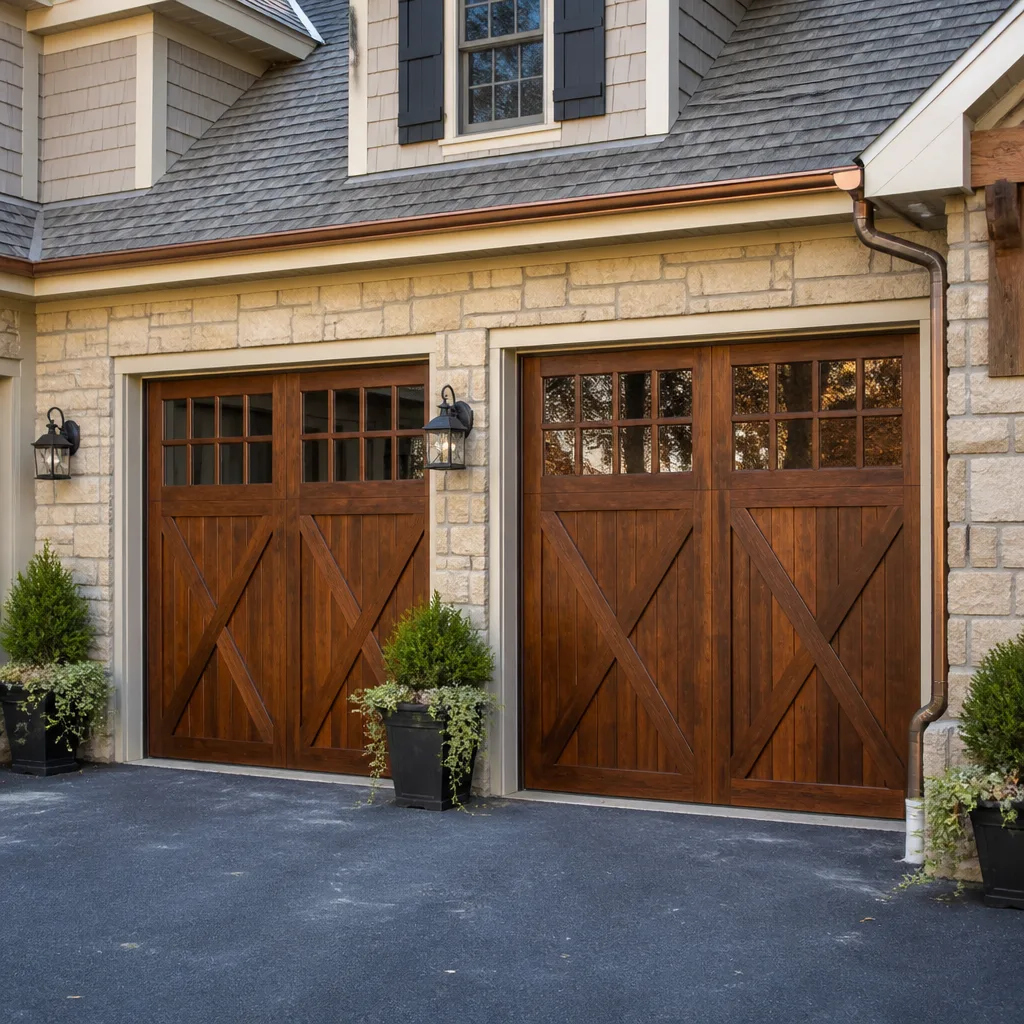 Carriage house
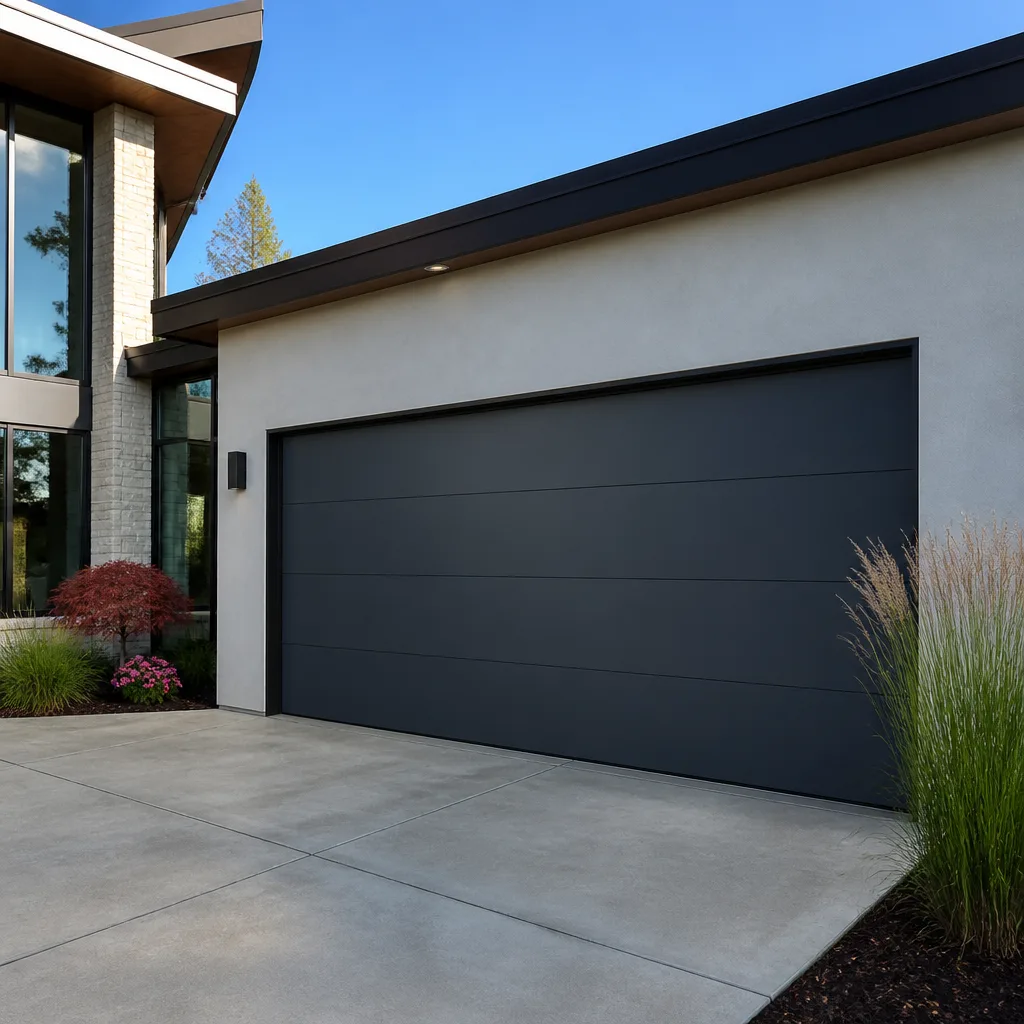 Modern flush
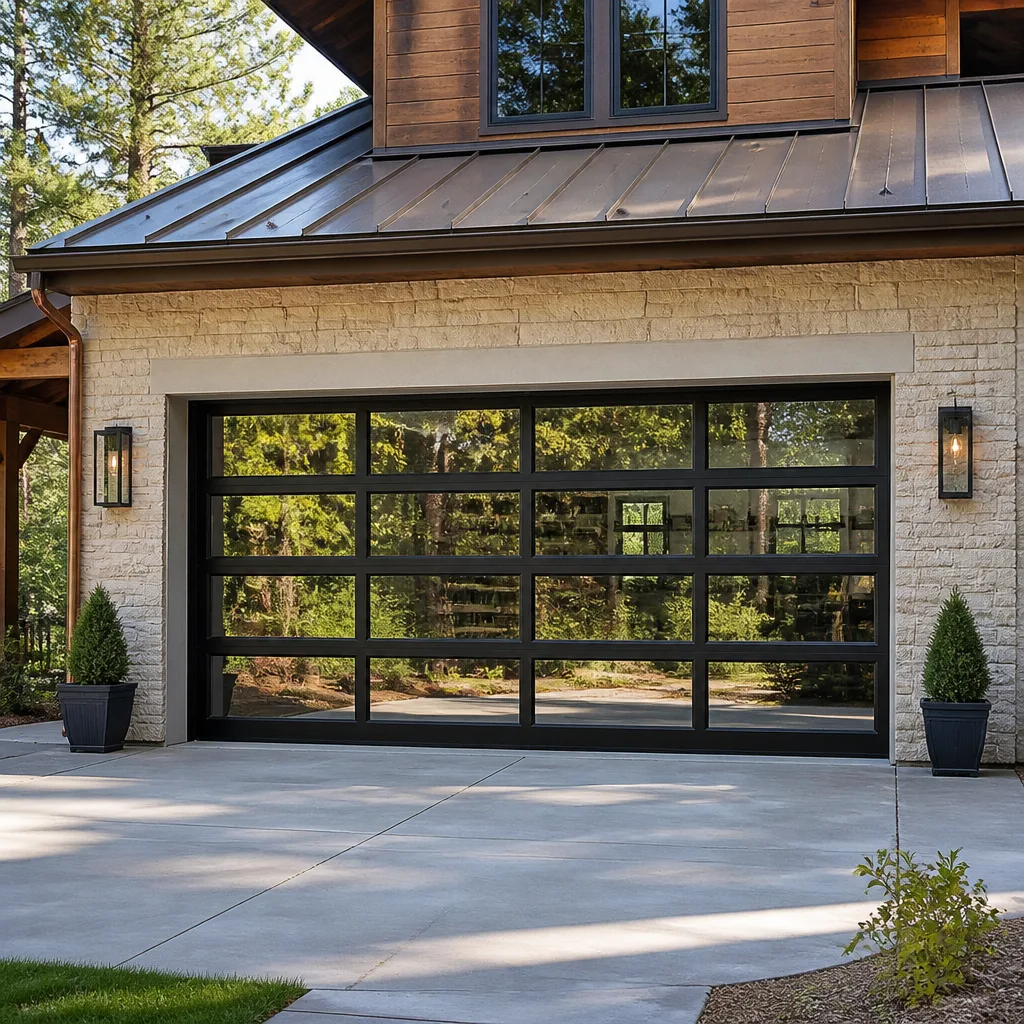 Full-view glass
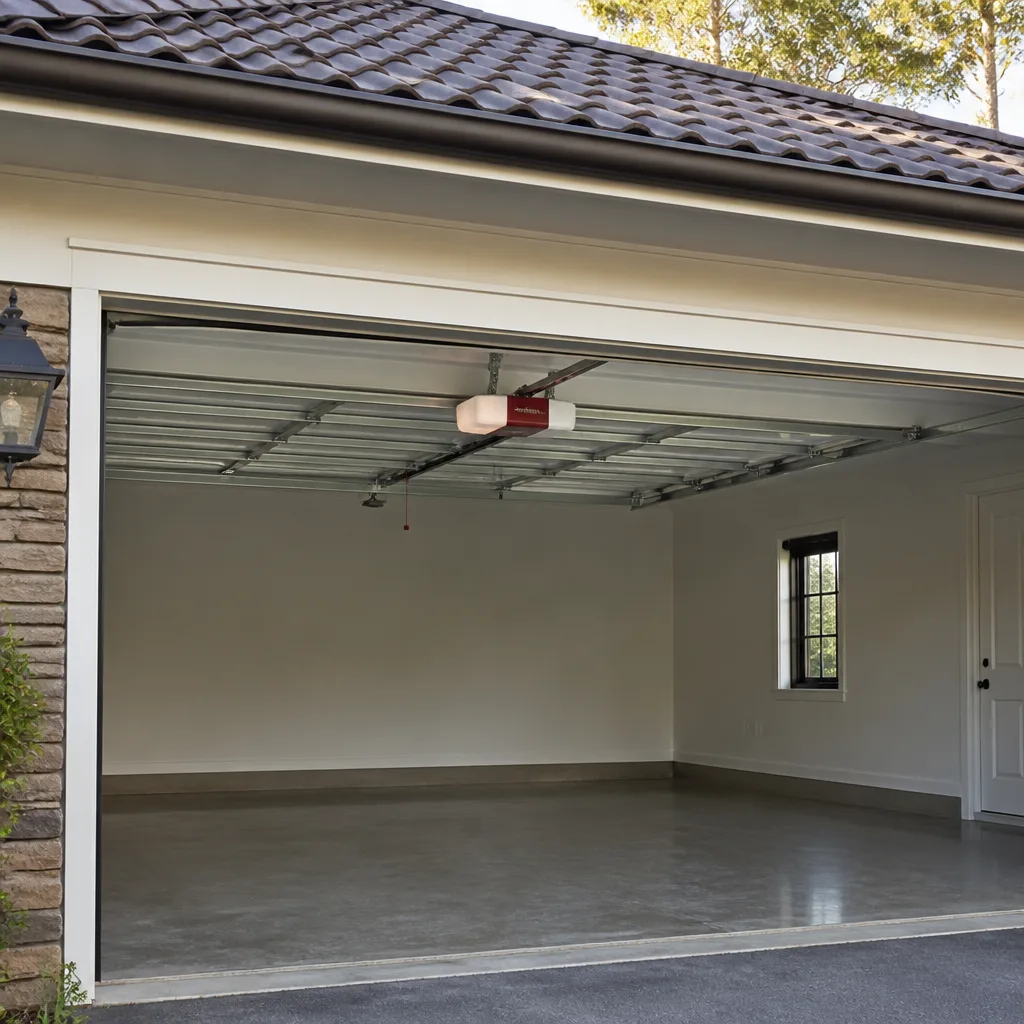 LiftMaster openers
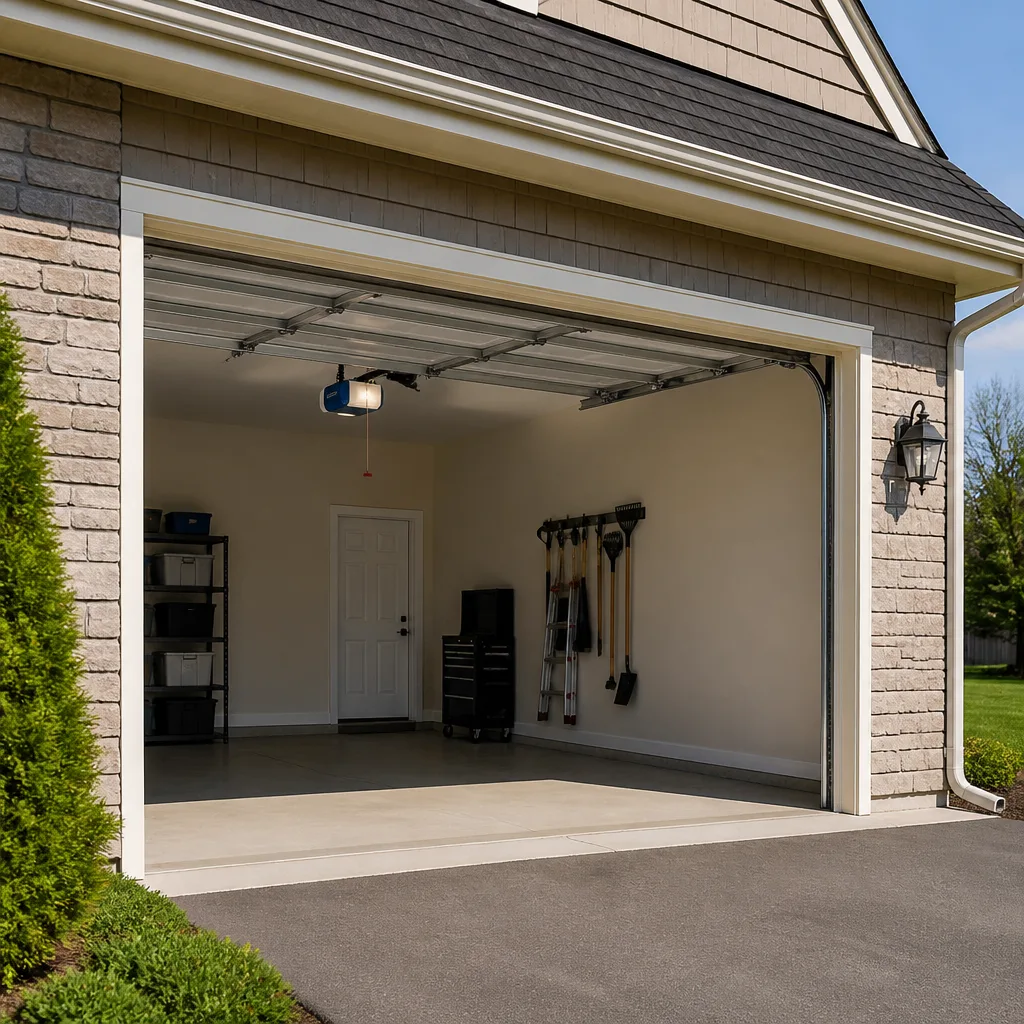 Chamberlain openers
Full 25-point door and opener safety check with every visit - springs, cables, rollers, tracks, and your LiftMaster or Chamberlain opener included
You get a price before we start. It does not change when the pro arrives.
Get your free estimateGarage Door Emergency Preparedness Guide for Gainesville Homes
Most people assume a dead garage door means a dead opener. It usually doesn’t. In a blackout, the opener is fine – it just has no power to lift anything. The real problem is that nobody in the house knows where the emergency release cord hangs or what happens when you pull it. Pull it while the door is up and under tension and you’ve disconnected a heavy panel that can drop. This guide walks Gainesville homeowners through manual release, storm prep, battery backup openers, post-storm inspections and the security gap that opens when a door sits in release mode. It’s the plan you’ll want in place before the next summer storm rolls through.
Quick Answer
During a power outage, release your garage door by pulling the red cord straight down toward the floor while the door is fully closed – never while it’s open or halfway up. If you have a battery backup opener, the door keeps working normally for several hours and you don’t need the cord at all. After any release, re-engage the trolley before restoring power, and treat an open release as a security gap until you do. In Gainesville, storm-season outages in the 4 – 8 hour range are common enough that a backup unit is worth planning for.
Styles & brands we work with
- Raised-panel steel
- Carriage house
- Modern flush
- Full-view glass
- LiftMaster openers
- Chamberlain openers
Table of Contents
- How Does the Emergency Release Cord Actually Work?
- How Do You Secure a Garage Door During a Gainesville Storm?
- Which Battery Backup Openers Handle a Hall County Outage?
- What Should You Inspect After a Storm?
- How Long Is a Released Door a Security Risk?
- What Changes in a Tornado Warning?
- Why Springs Fail Under Stress and Heat
- How Do You Build a Garage Door Emergency Kit?
How Does the Emergency Release Cord Actually Work?
The red cord disconnects the door from the opener’s trolley, not from the springs. That’s the part people get wrong. The springs are still wound and the door is still heavy. What the cord does is release the carriage so the door can move by hand along its tracks. Pull it and the opener is out of the picture – you’re now lifting the full weight of the door with your arms, and the springs are still helping to counterbalance it.
Direction and timing matter more than anything else. Here’s the procedure we walk Gainesville homeowners through:
- Close the door first if it’s open and the opener still works. Use the wall button or remote while you still have power or battery reserve. Releasing a door that’s up puts the full panel weight on the mechanism.
- Find the cord. It hangs from the trolley near the opener rail, usually with a red plastic handle. If it’s tangled or tied off, free it now, not during a storm.
- Pull straight down toward the floor. A firm, steady pull. Don’t yank sideways, don’t pull at an angle – the release lever travels in one direction.
- Lift the door slowly by hand. If it feels heavier than you expect, stop. Something besides the opener is wrong.
- Prop nothing under the door and walk away. A door in manual mode with no spring assistance can drop.
- Re-engage before restoring power. Pull the cord again or flip the trolley lever back, then run the opener once to confirm the carriage reconnects.
One safety note we won’t soften: the springs and cables above your head are the dangerous parts of this system, and they stay dangerous whether the opener has power or not. Never reach up to adjust a spring, cable or bracket by hand. If a door won’t move freely or feels jammed after release, stop and call a professional. That’s a spring or track problem, not a technique problem.
How Do You Secure a Garage Door During a Gainesville Storm?
If the power is out and a wind event is coming, the priority is getting the door down and keeping it down. A door that won’t close leaves the whole house exposed, and in Gainesville’s summer storm pattern that’s a real window of risk. The sequence below assumes the opener is dead and you’re working by hand.
- Lower the door manually and confirm it seats fully. Push it down until the bottom seal meets the floor along its whole width. A door that stops an inch short will rattle and lift in gusts.
- Engage the manual lock if your door has one. Many older doors have a slide bolt or a lock bar on the inside. Use it – it holds the door against the frame regardless of spring tension.
- Brace the bottom panel with a wedge or a piece of lumber cut to fit. Set it against the inside face of the bottom section, not under the seal. This resists inward pressure from wind.
- Keep vehicles clear of the door path. If the door does shift, you don’t want a car pinning it or a panel coming down on a hood.
- Leave the release cord accessible but untangled. If you need to open the door later, you want the cord where you can reach it without a ladder.
Doors on homes in the older parts of Gainesville, where the housing stock runs toward single-wide and lighter-gauge steel panels, are more sensitive to wind pressure than a modern insulated door. That’s not a reason to panic – it’s a reason to actually brace the door rather than assume it’ll hold. If the door has already come off its tracks or a panel is bent, don’t try to force it closed. Call for garage door repair before the next front moves in.
Which Battery Backup Openers Handle a Hall County Outage?
A battery backup opener keeps the door working through a typical Hall County outage without you touching the release cord. That’s the whole point. Most summer outages here run 4 – 8 hours, and a backup unit with a fresh battery will carry a standard residential door through that window comfortably – usually 20 to 40 open-and-close cycles depending on door weight and battery condition.
The brands that dominate this space are the ones we work on every week. LiftMaster’s MyQ line includes battery backup models that keep the door operating and still report status to the app when the power drops. Chamberlain units in the same family use the same battery cartridge system, which makes replacement straightforward. Genie’s Aladdin Connect line offers comparable backup on its newer models. Craftsman units from the last decade or so often have a backup option as well, though the battery format varies by model year.
What to check before you buy:
- Battery type and availability. Some units use a proprietary cartridge, others a standard sealed lead-acid pack. Know which before you commit.
- Cycle rating. Ask how many cycles the unit delivers on a full charge. A heavier insulated door cuts that number.
- Whether backup covers the safety sensors. A door that opens on battery but won’t close because the sensors lost power is a door that’s still stuck.
- Age of the existing opener. If the unit is 15 years old, backup is a band-aid. That’s when garage door opener repair turns into a replacement conversation.
We install and service all of these. If you’re not sure what you have, we’ll tell you what model it is and whether a backup kit exists for it.
What Should You Inspect After a Storm?
Before you hit the button after a storm, look at the door with your eyes and hands – not the opener. Running a damaged door under power is how a $200 repair becomes a $900 one. In Gainesville, the storms that matter most for garage doors are the ones that bring wind-driven debris and rapid temperature swings, and both leave evidence you can spot in a couple of minutes.
Work through this list before operating anything:
- Walk the tracks on both sides. Look for bends, dents or sections pushed out of alignment. A track that’s out of true will bind the rollers and can drop the door.
- Check the bottom seal and panel for debris. Small branches, gravel and roof grit collect at the threshold. Clear it before the door tries to close on it.
- Look at the springs. A torsion spring that snapped will show a visible gap in the coil. An extension spring that’s failed will be stretched out and hanging. Both mean do not operate the door.
- Test the balance by hand – carefully. With the opener disconnected and the door at waist height, it should stay put when you let go. If it drops or rises on its own, the spring tension has changed.
- Check the safety sensors. Make sure the lenses aren’t blocked by debris and the indicator lights still work. A misaligned sensor stops the door from closing.
- Run the opener once and watch the whole cycle. Listen for grinding, scraping or a door that reverses for no reason.
Temperature swings are worth a mention here. A cold front after a warm, humid stretch changes spring tension and track alignment slightly, and a door that ran fine in July can bind in the first cool week of fall. That’s normal. What isn’t normal is a door that won’t stay closed or one that reverses halfway down. If you see either, stop and get it looked at. We connect Gainesville homeowners with experienced local pros who can diagnose it – our technicians have up to 13 years of experience across the major brands.
How Long Is a Released Door a Security Risk?
A door left in emergency release mode is unsecured from the moment the trolley disconnects until you re-engage it. There’s no timer and no alarm. The opener is bypassed entirely, which means anyone who can lift the door manually has access to your home – and a released door lifts easily because the springs are still doing their job. That’s the uncomfortable part. The cord that gets you out of a jam also hands the same advantage to someone else.
The security window is exactly as long as the release stays engaged. In a power outage, that might be hours. If you pulled the cord and then forgot about it after the lights came back, it could be days or weeks. We’ve seen homeowners go a full season without noticing, because the opener still runs and the door still opens – it just does it from the released position without anyone realizing the trolley is disconnected.
How to close the gap:
- Re-engage immediately once power returns. Flip the trolley lever or pull the cord again, then cycle the door once to confirm.
- Test it. Stand inside and press the wall button. If the door doesn’t move, the trolley is still disconnected and the door is unsecured.
- If you’re going to be away during an outage, don’t leave the door released. Lock it manually or leave it in a state you can secure.
- Consider a backup opener instead of the cord. The best fix for the security gap is never needing to pull the cord in the first place.
What Changes in a Tornado Warning?
Gainesville sits in a tornado risk corridor, and the garage door is the largest opening on most homes. That changes the plan. During a tornado warning, your goal isn’t to protect the door – it’s to get to shelter and make sure the garage isn’t the weak point that fails first. There’s no garage door adjustment that makes a home tornado-proof, and we won’t pretend otherwise.
What we will say is this: a properly balanced, well-maintained door with intact springs, straight tracks and a working opener is more resistant to wind pressure than one that’s been binding for a year. Regular service isn’t a storm strategy, but it’s part of being ready. If you know a front is coming, close the door and leave it closed. Don’t prop it open for airflow and don’t leave it partway up. And if a warning is active, leave the garage alone and get to your safe room.
After a tornado warning passes, treat the door as suspect until you’ve inspected it. The post-storm checklist above applies. A door that’s been pushed out of its tracks by wind pressure may look fine from the outside and be hanging by a roller on the inside. That’s the moment to call rather than cycle the opener and see what happens.
Why Springs Fail Under Stress and Heat
Springs are the most dangerous component in your garage door system, and they’re also the part most likely to fail during a storm or right after one. A torsion spring is a coiled steel bar under enormous stored force. It cycles every time the door moves, and metal under repeated stress eventually fatigues. Heat and humidity speed that up. Gainesville’s summer pattern – weeks of high humidity punctuated by afternoon storms – is hard on springs, and a spring that’s been quieter than usual for a few weeks is often the one that lets go.
Here’s why it matters for emergency planning. When a spring snaps, the door becomes extremely heavy on one side or the other. If you’re in the middle of a manual release during an outage and a spring fails, you’re holding a door that suddenly weighs far more than it did a second ago. That’s how people get hurt. It’s also why we tell homeowners to stop and call rather than muscle a door that’s fighting them.
Our technicians have up to 13 years of experience and spring repair is a core part of what we do, not an afterthought. We handle torsion and extension springs on the eight major brands we service, including Amarr, Wayne Dalton and Raynor. If your door is showing the signs of a tired spring – a loud bang from the garage, a door that lifts a few inches and stops, a visible gap in the coil – don’t operate it. Get it looked at. When you’re ready to replace a door rather than repair one, garage door installation includes a full measure and a written price before anything is ordered.
How Do You Build a Garage Door Emergency Kit?
A garage door emergency kit takes twenty minutes to assemble and saves an hour of fumbling in the dark. The idea is to have everything you’d need to secure the door, get a car out, or wait out an outage safely, in one place you can reach without a flashlight in your teeth. Keep it on a shelf near the garage door, not buried in a bin at the back of the house.
- A flashlight and spare batteries. The garage is the darkest room in the house when the power goes.
- A manual lock or slide bolt for doors that don’t have one, and a wrench that fits it.
- Two wedge blocks or short lengths of lumber sized to brace the bottom panel.
- A written card with the release procedure – the numbered steps above, printed and taped inside the garage.
- The opener model number and this guide’s phone number so you’re not searching for either during an outage.
- A battery backup unit or at least a fresh battery cartridge for one if you already have backup installed.
Once a year, run the drill. Have someone in the household pull the release with the door closed, lower it and re-engage the trolley. It takes five minutes and it’s the difference between knowing the procedure and hoping you remember it. If your opener is older or you’re not sure whether it’ll survive an outage, we can take a look. A quick check now beats a broken door in the middle of a storm.
Common Mistakes to Avoid
- Pulling the release cord while the door is open. The door is under spring tension and will drop. Always close it first, then release.
- Forcing a door that won’t move freely. If it’s fighting you, a spring or a track is the problem. Stop and call. Forcing it risks a cable snap or a panel coming down.
- Leaving the door in release mode after power returns. The opener will still run, which makes it easy to miss that the door is unsecured. Test it after every outage.
- Running a storm-damaged door under power. A bent track or a shifted panel under opener force turns a small repair into a full replacement.
- Skipping the post-storm inspection because the door looks fine. Wind damage often shows up on the tracks and rollers, not the panels you see from the driveway.
- Assuming a battery backup covers everything. Some units keep the door moving but not the safety sensors, which means it opens on battery and won’t close.
- Treating spring repair as a DIY job. A torsion spring stores enough force to cause serious injury. This is one repair to hand to a professional, every time.
See the difference
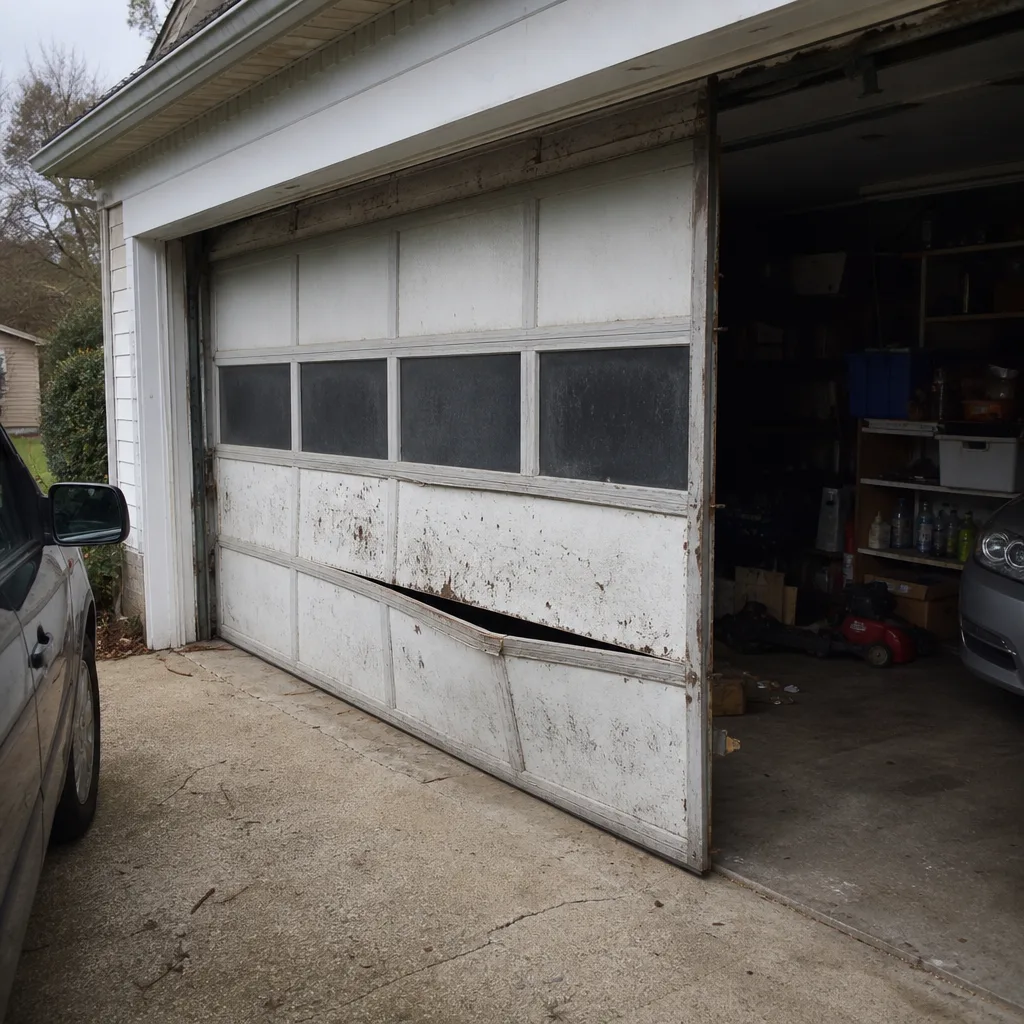 Before
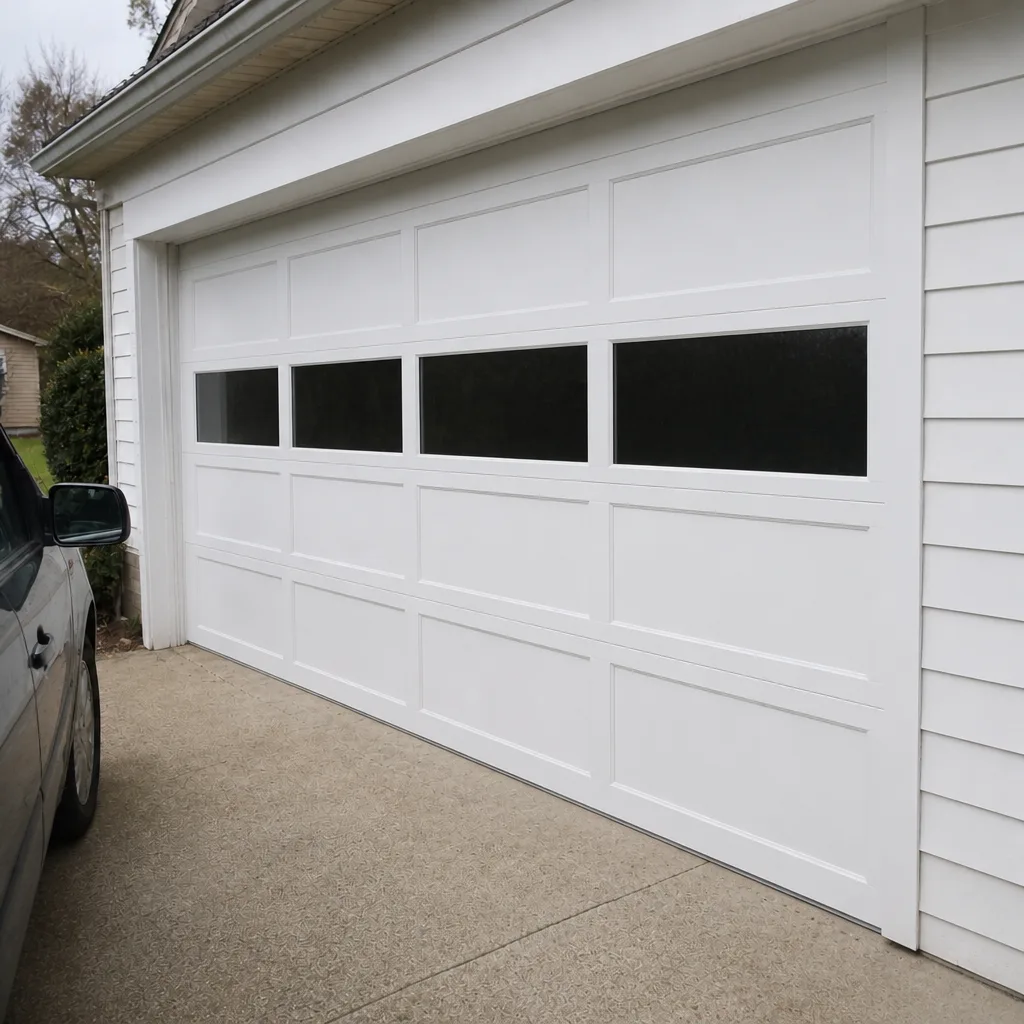 After
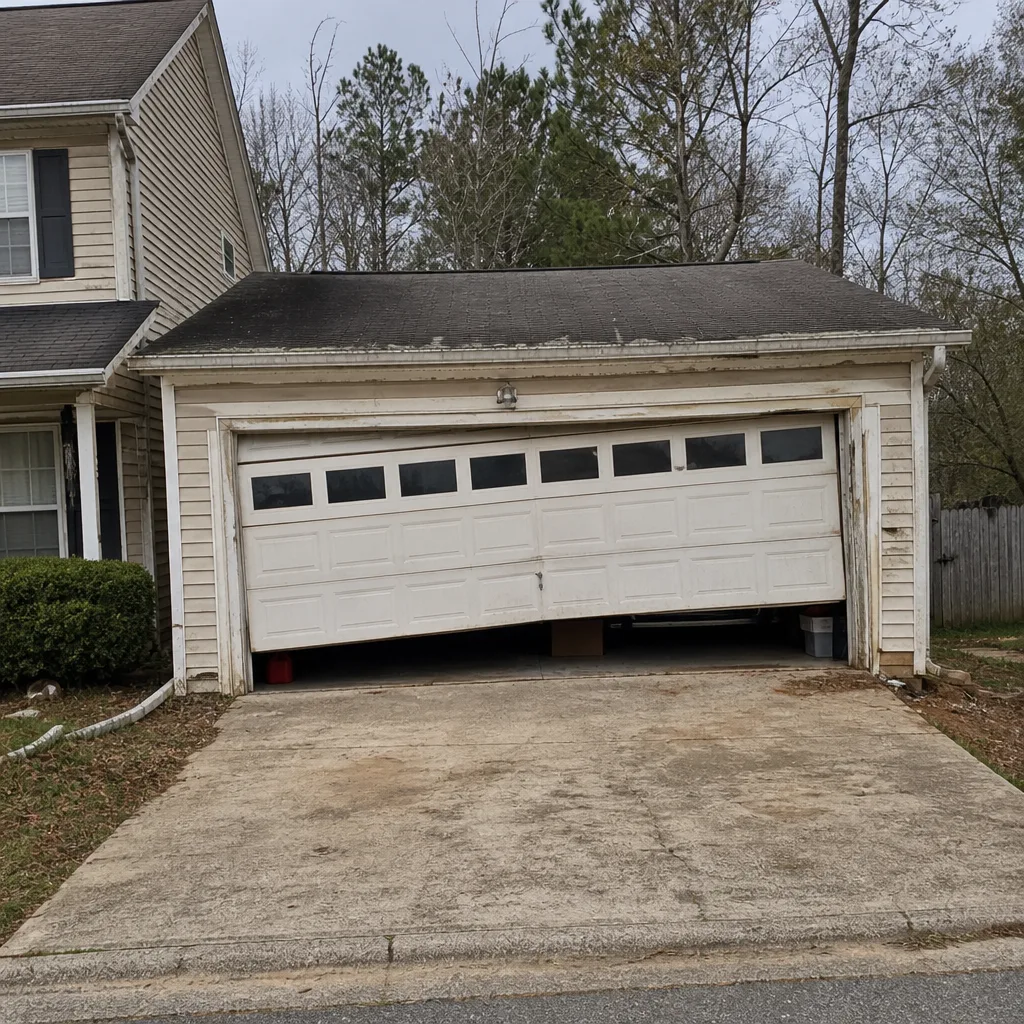 Before
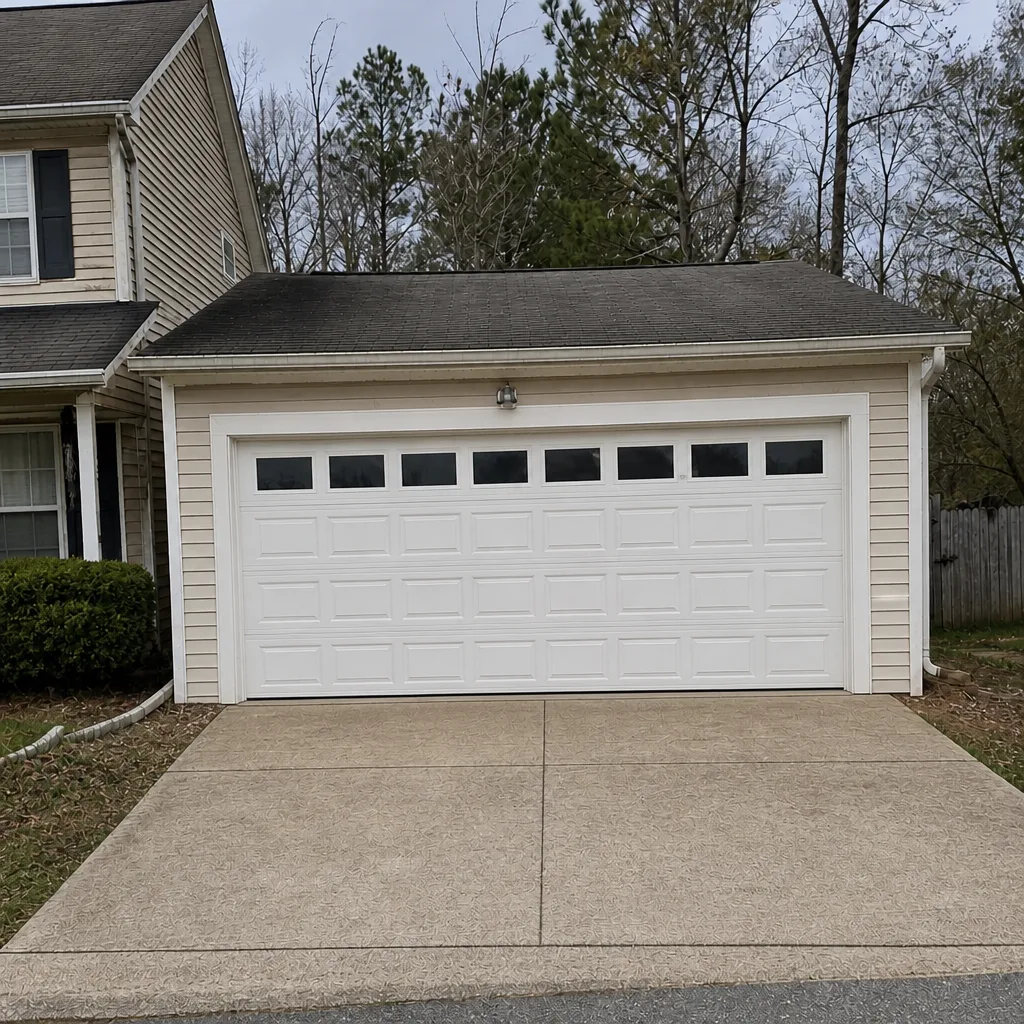 After
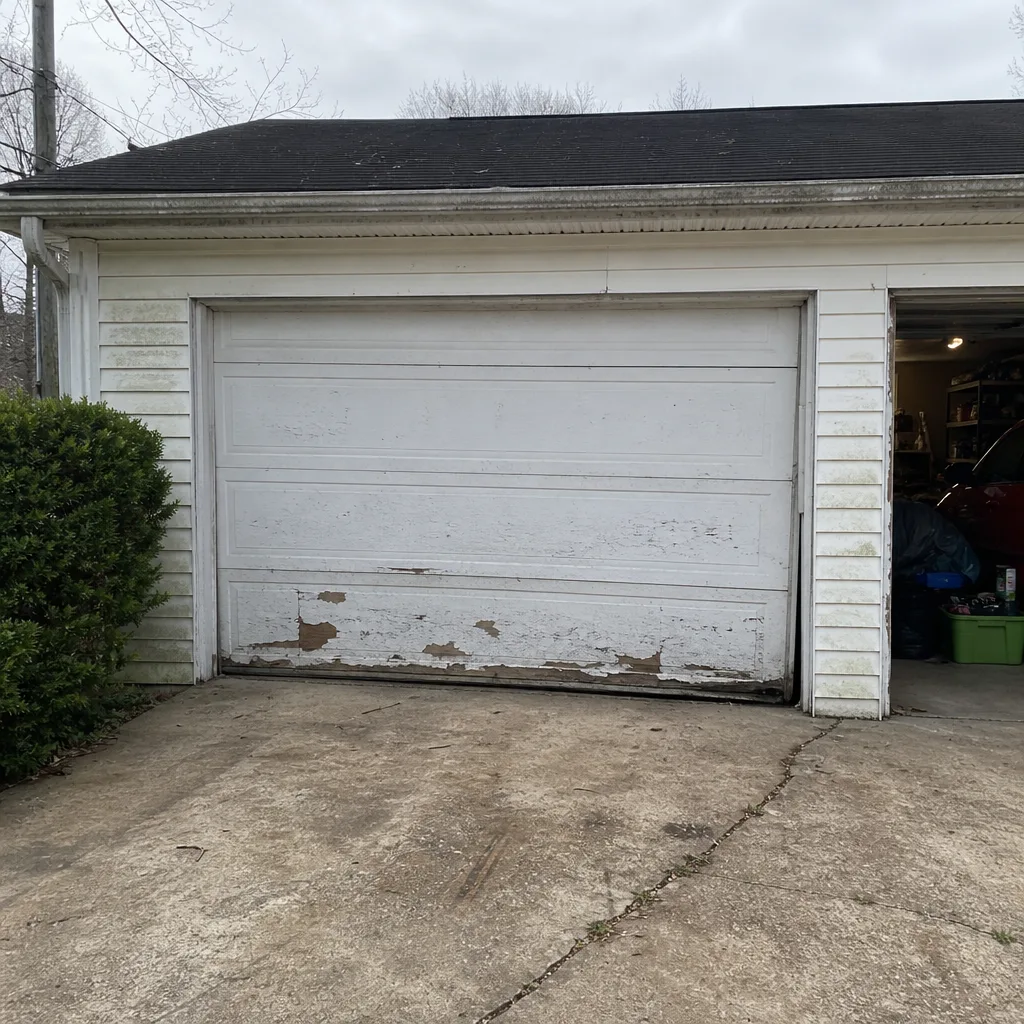 Before
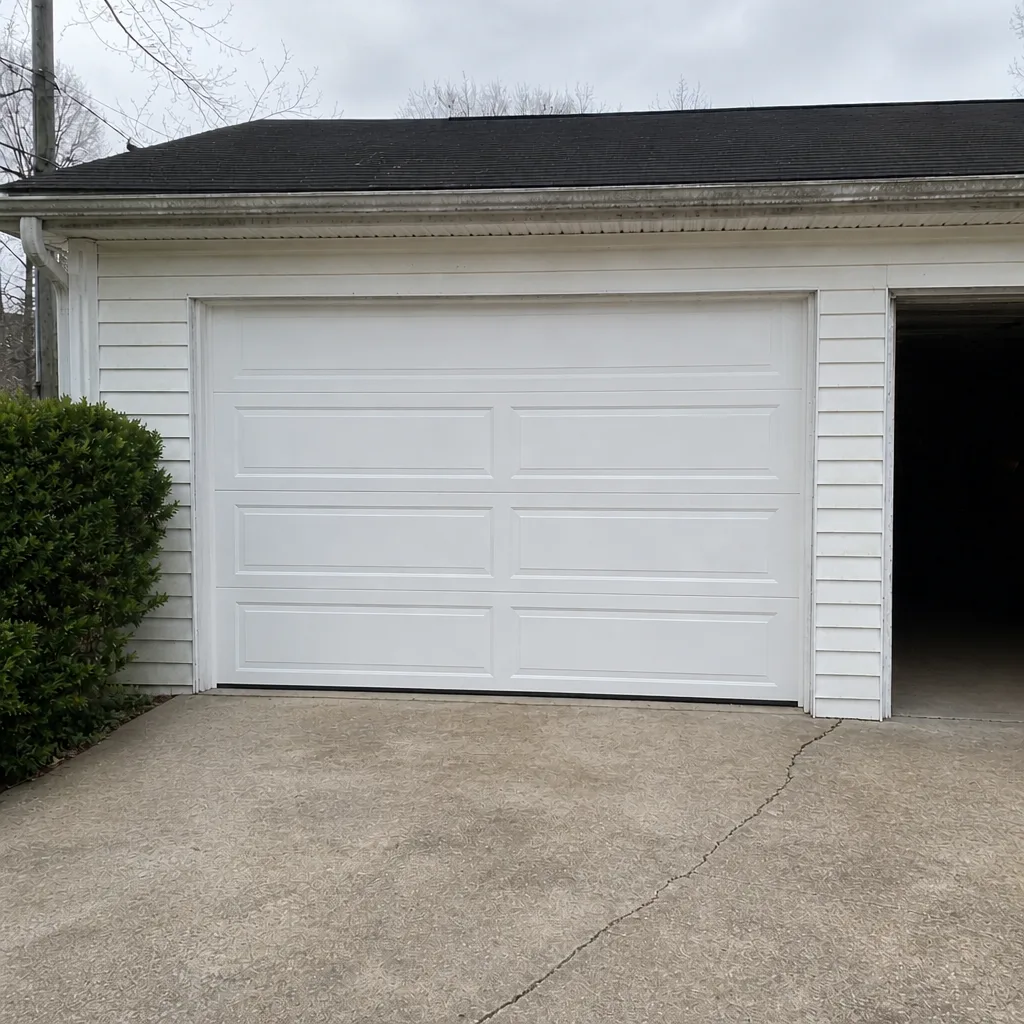 After
When to Call a Professional
Some emergencies are a technique problem and some are a mechanical one. If the door won’t stay closed, a spring shows a visible gap or looks stretched out, the door has come off its tracks, a cable is slack or frayed, or the opener runs but the door doesn’t move after you’ve re-engaged the trolley, it’s time to call. Those are the situations where working by hand or running the opener can make things worse. Garage door repair Gainesville Pros covers spring repair, opener repair, panel and track repair, and full installation, and we service LiftMaster, Chamberlain, Genie, Clopay, Amarr, Wayne Dalton, Craftsman and Raynor systems so you’re not hunting for a brand specialist. Emergency service is a named part of what we do. Estimates are free in Gainesville – call (833) 968-8548 and we’ll get a local pro out to you.
Frequently Asked Questions
Pull the red emergency release cord straight down toward the floor with the door fully closed, then lift the door by hand. Never pull the cord while the door is open or partway up – it’s under spring tension and can drop. If you have a battery backup opener, use the wall button instead and leave the cord alone.
Usually yes. Most of the outages here run 4 – 8 hours, and a backup unit with a healthy battery delivers roughly 20 to 40 open-and-close cycles on a charge, depending on door weight. LiftMaster MyQ and Chamberlain units in that family are the most common backup models we see, and Genie’s Aladdin Connect line has comparable options. If your door is heavy or insulated, expect the lower end of that range.
A door that won’t stay down usually has a track out of alignment, a spring that’s lost tension, or a safety sensor that’s been knocked out of place. Don’t run the opener against it – that’s how a track bend becomes a panel replacement. Inspect the tracks and springs by eye, then call for a diagnosis. Call (833) 968-8548 for an exact quote – estimates are free.
From the moment the trolley disconnects until you re-engage it, the door is fully unsecured and can be lifted by hand. That window lasts as long as the release stays engaged, which in an outage could be hours and after a forgotten release could be weeks. Re-engage the trolley and cycle the door once as soon as power returns.
Yes, if the door is fully closed and seated. Engage any manual lock, wedge a piece of lumber against the inside of the bottom panel, and keep the release cord reachable. Don’t try to brace a door that’s already off its tracks or bent – that’s a repair call, not a bracing job.
The local professionals we connect you with are licensed and insured as their state requires, and our technicians have up to 13 years of experience across the major garage door and opener brands. The price is quoted and agreed before any work starts, and the written estimate sets the final price. Call (833) 968-8548 if you’d like an exact quote – estimates are free.
The Bottom Line
The plan is simpler than it feels in the moment. Close the door before you pull the release cord, never force a door that’s fighting you, re-engage the trolley the second power returns, and inspect the tracks, springs and sensors after any storm before you hit the button. A battery backup opener is the single best upgrade for Gainesville’s outage pattern, and a printed card with the release procedure taped inside the garage costs nothing and covers the gap. Springs, cables and anything under tension are professional work – leave them alone and call us. That’s the whole guide in five lines.
Garage Door Repair Gainesville Pros, (833) 968-8548 – free estimates, upfront pricing, and one call covers spring repair, opener repair, panel repair and new installation. We work on LiftMaster, Chamberlain, Genie, Clopay, Amarr, Wayne Dalton, Craftsman and Raynor systems, and our technicians have up to 13 years of experience. Same service, Gainesville or anywhere we work.
Written by the team at Garage Door Repair Gainesville Pros.