Last updated November 23, 2026
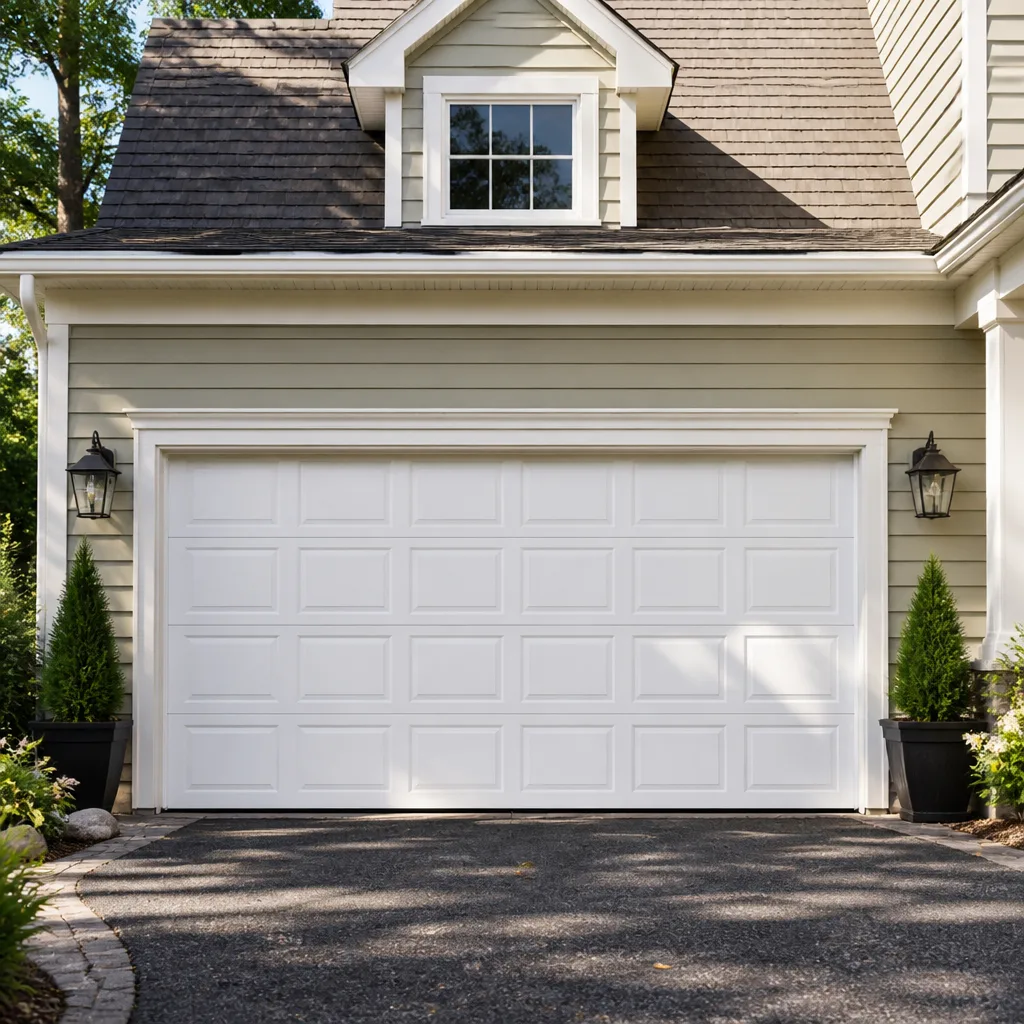 Raised-panel steel
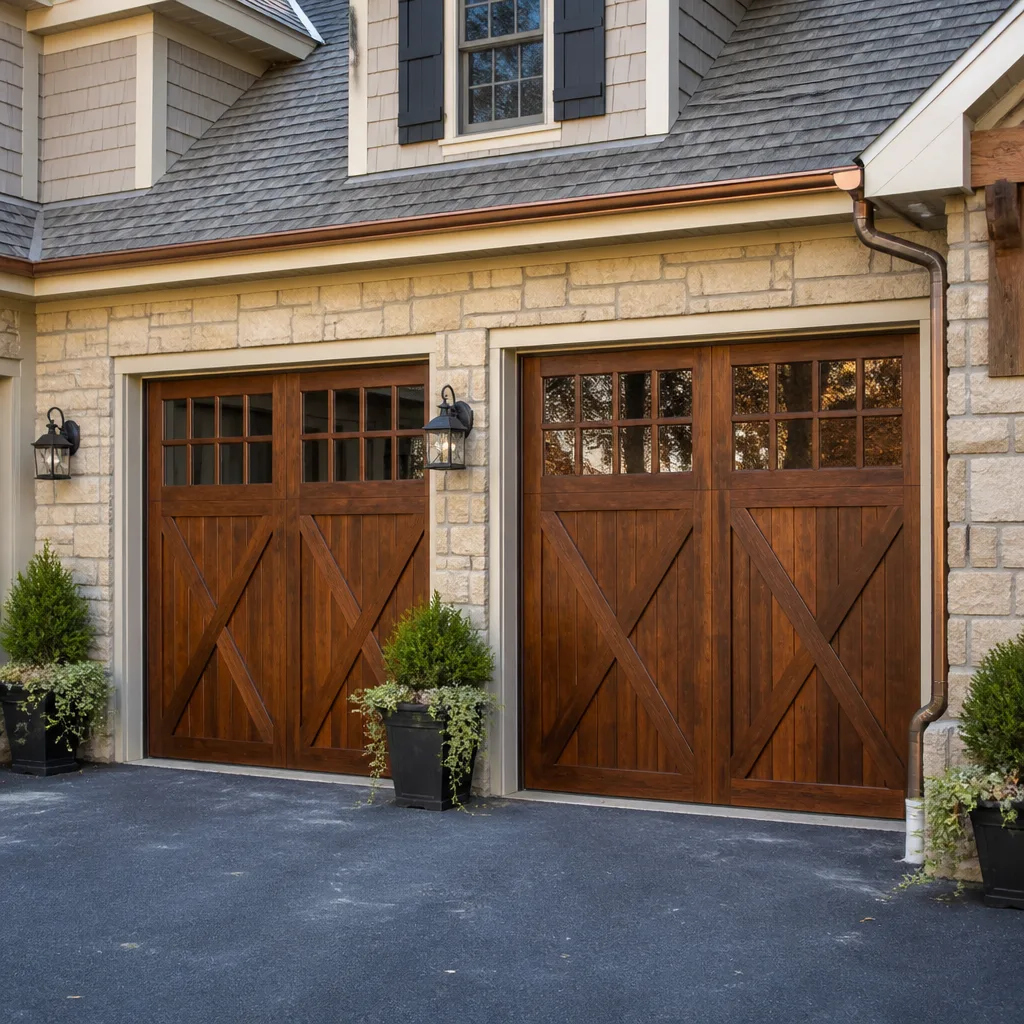 Carriage house
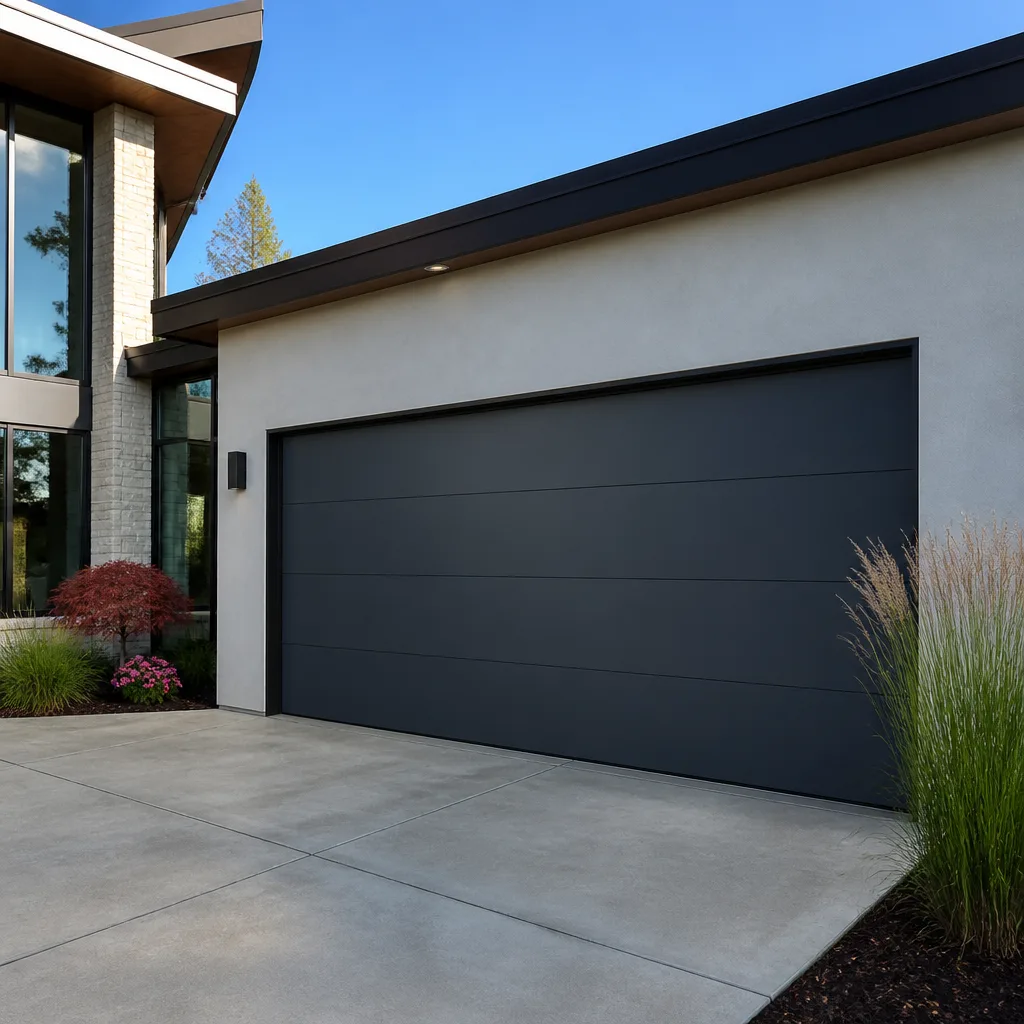 Modern flush
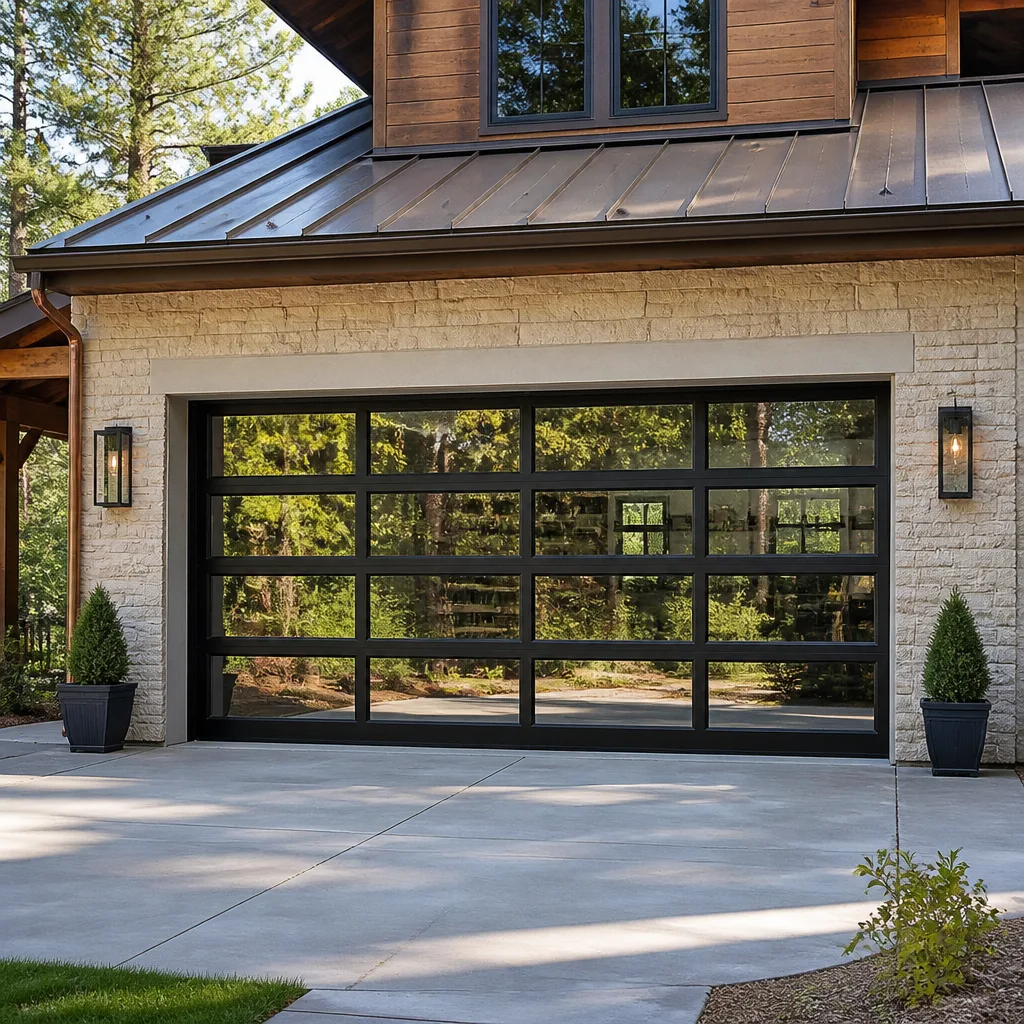 Full-view glass
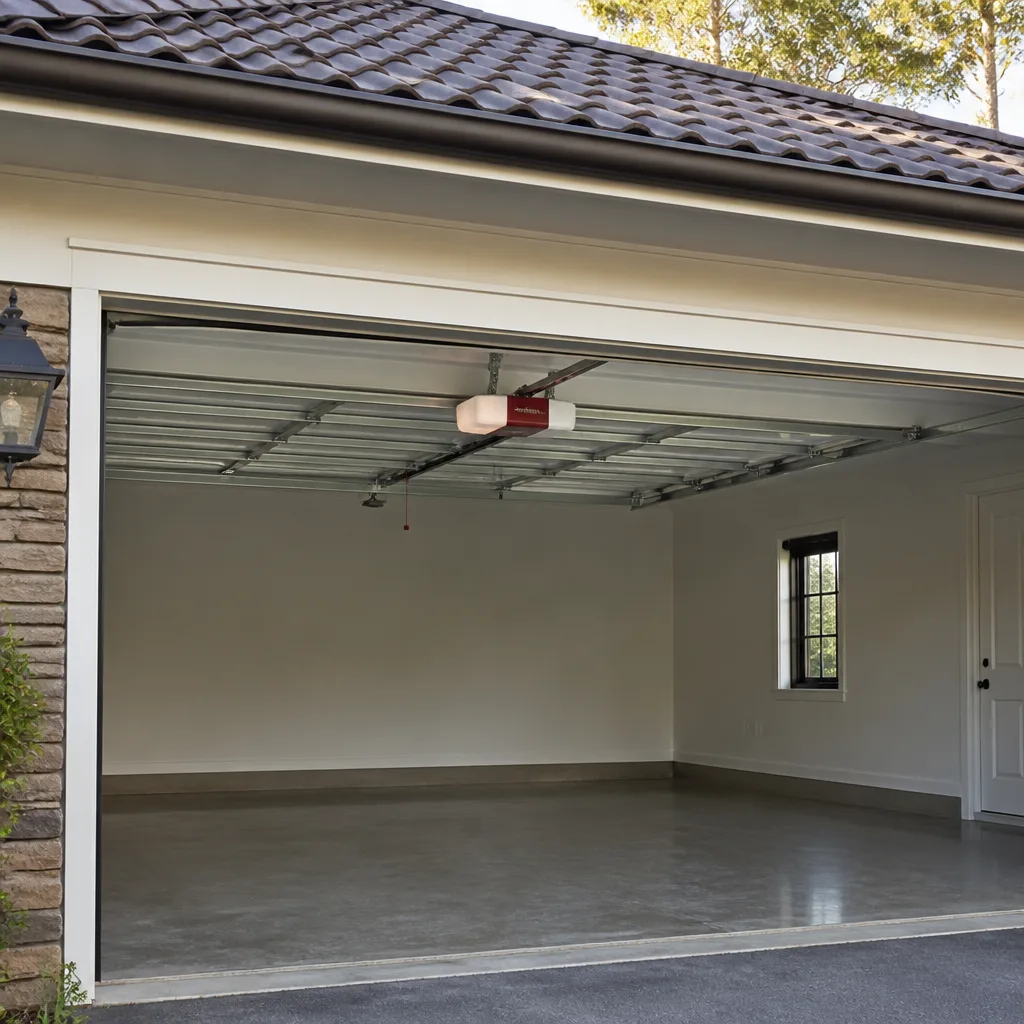 LiftMaster openers
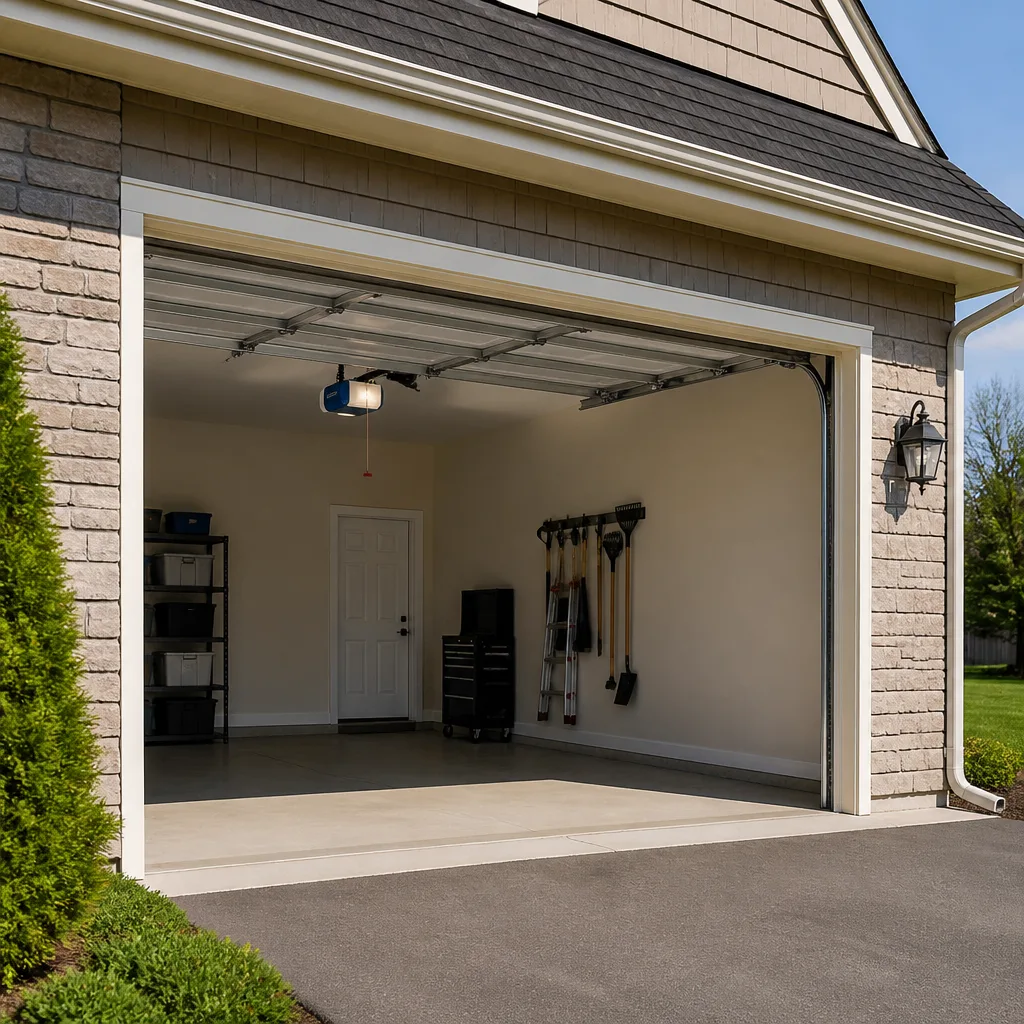 Chamberlain openers
Full 25-point door and opener safety check with every visit - springs, cables, rollers, tracks, and your LiftMaster or Chamberlain opener included
You get a price before we start. It does not change when the pro arrives.
Get your free estimateDIY vs Professional Garage Door: The Gainesville Homeowner’s Decision Guide
Most homeowners think the DIY-or-professional question comes down to skill. It doesn’t. A snapped torsion spring can hit you with 150 to 200 pounds of torque the second you loosen the wrong winding bar, and a winding bar that slips under load moves with real force. That’s not a scare tactic meant to push you off the ladder. It’s the reason the DIY line runs straight through one specific task in your garage and leaves most of the rest to you. This guide sorts the whole job into three buckets – safe to handle, call a pro, and the gray zone in between – with the physics, the cost math, and the Hall County wiring rules that actually decide it for Gainesville homes.
Quick Answer
You can safely do sensor alignment, remote reprogramming, weatherstripping, and routine lubrication yourself. Anything involving torsion or extension springs, high-tension cables, the opener’s electrical circuit, or a door that has jumped its tracks belongs with a trained technician because a mistake there can cause serious injury or turn a repair into a full replacement. Everything else is judgment, and the sections below tell you where to draw the line.
Styles & brands we work with
- Raised-panel steel
- Carriage house
- Modern flush
- Full-view glass
- LiftMaster openers
- Chamberlain openers
Table of Contents
- The Gray Zone: Which Garage Door Tasks You Can Do and Which You Can’t
- Why Spring Tension Is a Different Kind of Danger
- The DIY Jobs Gainesville Homeowners Overpay For
- Hall County Code and DIY Electrical Work on Openers
- What a DIY Spring Job Costs When It Goes Wrong
- Openers, Smart Systems, and the Limits of DIY Diagnosis
- When the Job Stops Being a Repair: DIY vs. New Installation
- What the Pros Actually Bring to a Gainesville Job
The Gray Zone: Which Garage Door Tasks You Can Do and Which You Can’t
The three-bucket framework is the spine of this whole guide. Read the task you’re facing, find its bucket, and act accordingly. No hedging.
Green Light – Safe for DIY
- Sensor alignment. The two photo-eye sensors near the floor need to point at each other and stay lit. Cleaning the lenses and nudging the brackets usually clears a “won’t close” problem in minutes.
- Remote and keypad reprogramming. Following the manual for a LiftMaster or Genie remote is straightforward and reversible.
- Weatherstripping replacement. The rubber or vinyl seal along the bottom and sides is a push-on or nail-on part that requires no tension work.
- Lubrication and tightening. A light pass of garage-door lubricant on the rollers, hinges, and track the door rides in, plus checking that the brackets holding the track are snug.
- Panel cleaning and cosmetic touch-ups. A Wayne Dalton or Amarr steel panel cleans up with the right paint.
Red Light – Professional Required, No Exceptions
- Torsion spring repair or replacement. The spring above the door stores the door’s full weight as rotational force. One wrong turn can release it.
- Extension spring work. Side-mounted springs carry the same stored tension in a different orientation, and the cable can snap back if the spring lets go.
- Cable replacement. The cables are what convert spring tension into upward lift. They’re under load any time the door is down.
- Opener electrical wiring and new installation. Wiring a new opener to the home’s existing circuit crosses from hardware into electrical code.
- A door off its tracks or bent by an impact. A door whose rollers have left the track can fall without warning during a reset attempt, and a bent section can hide a bent track behind it.
Yellow Light – Judgment Call
- Roller replacement. It’s a manageable job if the door is down and fully supported and you can access every hinge safely. Skip it if the door has any spring or cable issue in the background.
- Panel replacement on a sectional door. Swapping a section is doable in principle, but a slightly misaligned panel puts extra stress on the springs and hinges.
- Adjusting the opener’s travel limits. Reprogramming travel distance is a menu task. Diagnosing why the door suddenly stops short is not.
Notice that the green list is short and cheap. That’s not an accident. If you’re looking for professional-grade work beyond these, a Garage Door Repair Gainesville Pros team handles the red bucket and the yellow bucket that sits too close to it.
Why Spring Tension Is a Different Kind of Danger
A torsion spring above your garage door has already spent all its stored energy lifting a door that weighs, in most Gainesville homes, between 120 and 200 pounds. What’s left in the spring when the door is down is roughly the same energy required to lift that door back up – 150 to 200 pounds of torque held in a coil a few feet long. When you loosen a winding bar and a spring lets go, that stored torque releases in a fraction of a second and sends the bar and any loose hardware moving fast enough to break bones.
Think about how a torsion spring works in practical terms:
- The spring is anchored at one end to the center bearing plate and wound tight at the other end against a cable drum.
- The winding bars hold the spring at that set tension. They’re the only thing standing between the stored energy and the person holding them.
- The cables run from the drum down both sides of the door and connect to brackets at the bottom panel.
- The whole system acts as a counterweight, matching the door’s weight so a modest opener or your arm can raise it.
When a trained technician replaces a spring, the door is in a specific position, the winding bars are seated the full depth of the drum, and the tension is unloaded in a controlled sequence. That sequence is the job. It’s also why generalist handymen routinely decline spring work and why a technician who does them daily treats them with visible care. Same physics every time, at every house in Gainesville – the spring doesn’t know whether you’re a professional. garage door repair for a broken spring is one of our most frequent calls, and it’s a same-day fix in most cases. If you’re anywhere near a snapped or sagging spring, put the tools down and call (833) 968-8548. Estimates are free.
The DIY Jobs Gainesville Homeowners Overpay For
Here’s a fact that might surprise you: the three cheapest garage door fixes are also the three that generate the most routine service calls in Gainesville. Not because the work is hard, but because they’re easy to overpay for once a truck pulls into the driveway. If your problem is one of these, you can usually solve it yourself in under an hour.
- Weatherstripping replacement. The rubber flap at the bottom of the door and the side seals around the frame are wear items. They take on heat, sun, and moisture across a Gainesville summer and start to crack or lose their shape. Pull the old strip out, measure the width, and press or nail on a replacement. This is a parts-and-ten-minutes task, not a service call.
- Sensor alignment. When the door won’t close and the opener light flashes a specific pattern, the problem is usually one photo-eye sensor knocked out of alignment by a bump from a trash can or the lawn mower. Straighten the bracket, wipe the lens, check that both sensor lights are solid. That’s it.
- Remote reprogramming. A remote that stops working after a power blink or a battery change needs a fresh pairing. Every opener manual has this on a single page. For LiftMaster, Chamberlain, Genie, and Craftsman units, the process follows the same general idea: press the learn button, then hold the remote button until the opener clicks. You don’t need a service call to get a remote talking to your opener again.
We’re happy to come out for any of these if you’d rather hand it off, but we’ll tell you honestly that these aren’t worth a service visit. Save the call for a spring, a cable, or an opener that’s actually failed. For the harder repairs, garage door opener repair is where the odds of a real diagnosis go up.
Hall County Code and DIY Electrical Work on Openers
Your garage door opener is a 120-volt appliance wired into your home’s electrical system. That single fact changes the DIY math on any opener work that touches the wiring. Adding an outlet in the ceiling, running a new circuit to the opener, hardwiring a new opener to a junction box, or replacing a damaged power cord all cross into electrical work. Most jurisdictions regulate that work and require a permit for at least some of it, so the honest answer is: call the Hall County building department and ask what applies to your address rather than guessing.
What that means in practice for Gainesville homeowners:
- Reprogramming, sensor alignment, and battery changes are not electrical work. Those stay in the green bucket.
- Plugging a new opener into an existing outlet is generally fine for a homeowner, but check the manual to confirm the outlet is on the right circuit and rated for the unit.
- Adding a new circuit, moving an outlet, or hardwiring a unit is where a permit and a licensed electrician come in. A garage door technician handles the mechanical install; the electrical circuit is a different trade.
The redo cost of doing it wrong is real. A homeowner-run circuit that trips under load can leave you with a dead opener in the middle of a Gainesville summer afternoon with the car parked inside. If you’re replacing an opener and unsure what your panel can handle, the safest path is a licensed electrician for the wiring and a garage door pro for the mechanical and travel calibration. Full-system garage door installation is a natural place to have both sides coordinated.
What a DIY Spring Job Costs When It Goes Wrong
Spring repair is the one task where DIY risk isn’t just safety – it’s money. When the spring job goes wrong, it usually doesn’t go wrong in a small way. Here’s the typical repair sequence a homeowner ends up facing when a DIY winding bar slips, the spring lets go, and the cables snap:
- The spring itself. Even after a failed attempt, the spring still needs replacing. One torsion spring typically runs $180 to $340 installed in the Gainesville market, and a matched pair replaced together is roughly double that. You’re not saving this amount by going in yourself; you’re paying it later.
- The cables. A spring that lets go under load can whip the cables out of their drums, which means the cables now need replacing, not just the spring.
- The bottom brackets. These are the metal plates at the bottom corners of the door that anchor the cables. Cable snap-back can bend or shear them.
- The door itself. A door that comes down unevenly after a failed spring job can bend a panel or jump a track, which can mean section replacement. On a Wayne Dalton or Amarr door, panel replacement often costs more than the entire repair you were trying to skip.
- The opener. If the opener was still straining to lift the door when the spring let go, the motor can be damaged, and now the opener needs repair or replacement on top of the door work.
Add it up and the “I’ll save money doing it myself” move can turn a spring repair into a spring-plus-cable-plus-bracket-plus-panel job. The price you get before any work starts is the price you pay. With us, that quote is written, agreed, and confirmed before a single tool comes out of the truck. Call (833) 968-8548 and we’ll talk through whether the repair is a spring only or something bigger.
Openers, Smart Systems, and the Limits of DIY Diagnosis
Replacing an opener isn’t the same as diagnosing one. If your opener is dead or acting up, the first question is which half of the problem is failing – the door’s mechanical system or the opener itself. A door that lifts unevenly and strains the opener isn’t an opener problem; it’s a spring or track problem that shows up through the opener. A door that moves but the opener clicks without response is an opener problem. Getting that call wrong is how a homeowner ends up buying a new opener they didn’t need.
Once you’re actually replacing an opener, brand matters less than compatibility and calibration. We work on the systems that dominate both older mechanical garages and modern smart-home setups:
- LiftMaster MyQ – WiFi-connected, app-controlled, and heavy on the opener-side setup.
- Chamberlain – widely installed and often paired with MyQ on newer homes.
- Genie Aladdin Connect – Genie’s connected platform for app and voice control.
- Craftsman – common in older Gainesville homes with a mechanical or belt-drive opener still in service.
The calibration part is what trips homeowners up. Travel limits, force settings, and the safety reverse test all need to be dialed in for the specific door weight. An opener set to lift too aggressively strains the motor. One set too conservatively trips out on cold Gainesville mornings. And a smart opener connected to your WiFi needs a stable network at the right distance to the garage, which is sometimes the whole problem. If you’re replacing a unit, we can help you match the opener to the door before you buy, so you’re not calibrating a mismatch after the fact.
When the Job Stops Being a Repair: DIY vs. New Installation
Once you’re thinking about a new door rather than fixing the old one, the DIY question changes completely. Installing a garage door means measuring the rough opening precisely, ordering a panel set that fits the opening, replacing the springs to match the new door’s weight, and dialing in the opener to the new load. It’s not a weekend job, and it’s not an installation that tolerates a guess on the measurement.
A few Gainesville-specific reasons installation rewards patience over speed:
- Door weight changes with the door. A new door might weigh more or less than the one it replaces, which means the spring set needs to match. Using the old springs on a heavier door overloads the opener; using them on a lighter door can let the door slam.
- Insulation and heat. A Gainesville garage gets hot in summer. An insulated door with a proper thermal break keeps the attached-room temperature steadier. That’s a selection decision, not an install decision.
- Style and HOA rules. Many Gainesville neighborhoods have design guidelines that limit panel style or color. Check before you order.
- Curb appeal and home value. The door is one of the largest exterior surfaces on the house. Getting the proportions and finish right matters more than the fastest install.
Here’s the sequence that saves money on a new door:
- Measure the opening, the headroom, and the side clearance before you shop.
- Choose an insulated or non-insulated door based on whether the garage is attached and used as living space.
- Confirm the door weight with the manufacturer’s spec so the spring set matches.
- Schedule the install with enough lead time for the door to be delivered; this isn’t a same-day job.
- Calibrate the opener after install with the safety reverse test run twice.
We can walk you through selection and install in one conversation. Installation is scheduled, measured, and quoted in writing – not same-day – so plan on a lead time between order and install.
What the Pros Actually Bring to a Gainesville Job
The difference between a technician and a homeowner with a wrench isn’t tools. It’s pattern recognition. A garage door technician has seen enough broken doors to know that a slightly sagging door is usually a spring starting to fail, that a door that only struggles on the last few inches is usually a track alignment issue, and that an opener that clicks but won’t move the door is usually a stripped gear or a dead capacitor, not a motor. None of that is obvious the first time you see it.
Our technicians have up to 13 years of experience across the systems that show up in Gainesville homes. That experience covers diagnosis and repair across eight major door and opener manufacturers – LiftMaster, Chamberlain, Genie, Clopay, Amarr, Wayne Dalton, Craftsman, and Raynor – which means the brand of your door or opener doesn’t limit what we can do on it. The brand-agnostic approach matters here: diagnosis is based on the actual problem, not on steering you toward a replacement brand.
What that looks like on a real Gainesville call:
- Full-scope coverage. The mechanical door, the springs, and the opener are one system. A single technician can diagnose the full picture rather than handing you off to a second contractor for the motor.
- Emergency response. A door that won’t close at night or a car trapped inside the garage is a real situation, and emergency garage door service is structured for it.
- Spring specialty. Torsion and extension spring work is in the lineup as a core service, not an afterthought.
- Installation and repair under one roof. If the repair stops making sense and the door needs replacing, you’re not starting over with a new contractor.
The local professional connected through us is licensed and insured as their state requires, and the written estimate sets the final price before work starts.
Common Mistakes to Avoid
- Loosening a torsion spring to “just see” if it’s the problem. The spring stores the door’s full lift weight. You don’t need to touch it to confirm it’s broken; a snapped spring is visible as a gap in the coil, and a stretched one shows clear separation. Call for a same-day visit instead of touching it.
- Buying a new opener before diagnosing the door. If the door is heavy or dragging, a perfectly good opener will look broken. Diagnose the door first, then the opener.
- Running a new outlet or circuit for an opener without checking Hall County rules. Adding an outlet, moving one, or hardwiring a unit can require a permit and a licensed electrician. Ask the county building department before you drill.
- Ordering a new door without checking weight and HOA rules. A door that doesn’t match the spring set or the neighborhood guidelines becomes a return and a redo, not a savings.
- Replacing only one side of a matched spring pair. Most springs are installed as a pair, and when one goes, the other is likely on the same clock. Replacing only the failed side usually brings you back to the same call within a few months.
- Ignoring a door that reverses on its own. A door that reverses before hitting the ground is a safety sensor problem or a travel limit problem. Keep it out of daily use until it’s diagnosed; driving under a door that miscounts is not worth the risk.
- Assuming an opener error code means the opener is dead. Most error codes point to a sensor or travel issue that a technician can diagnose quickly. A code is a message, not a diagnosis.
See the difference
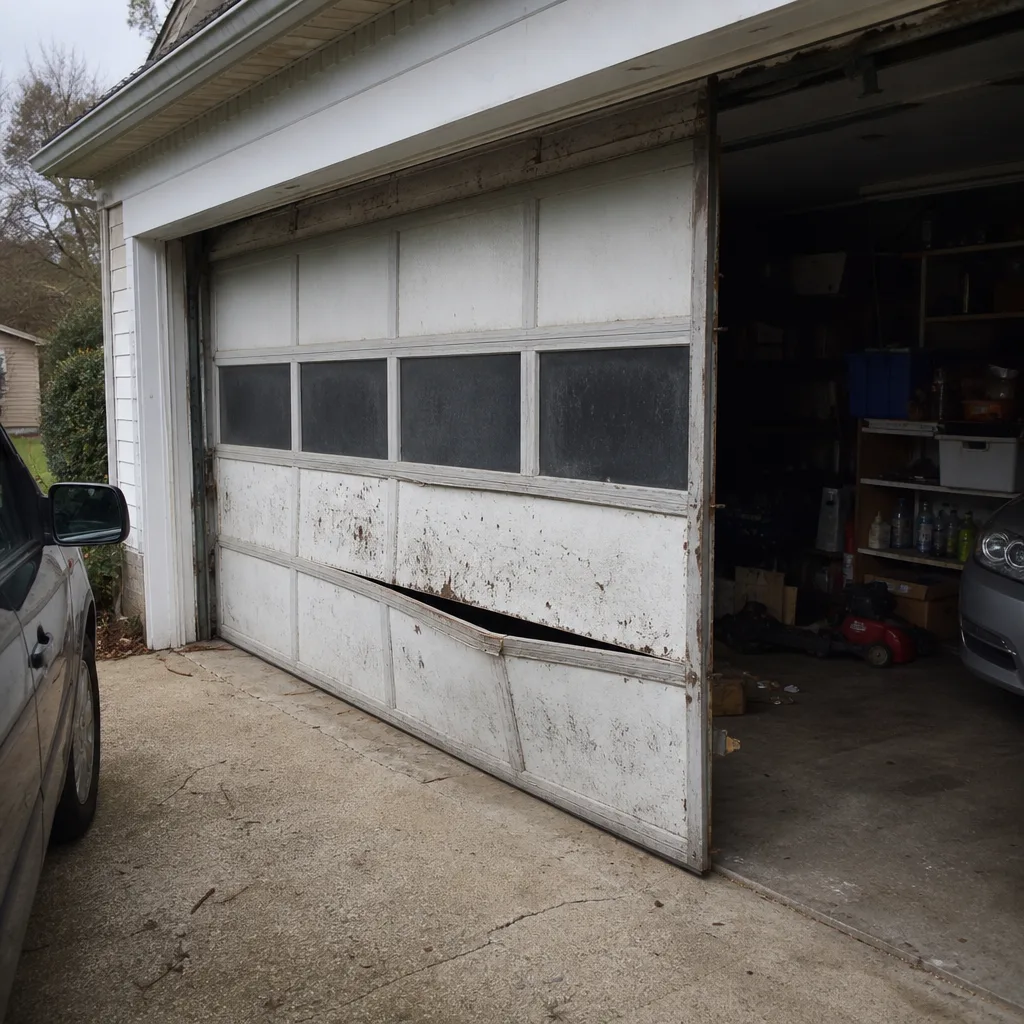 Before
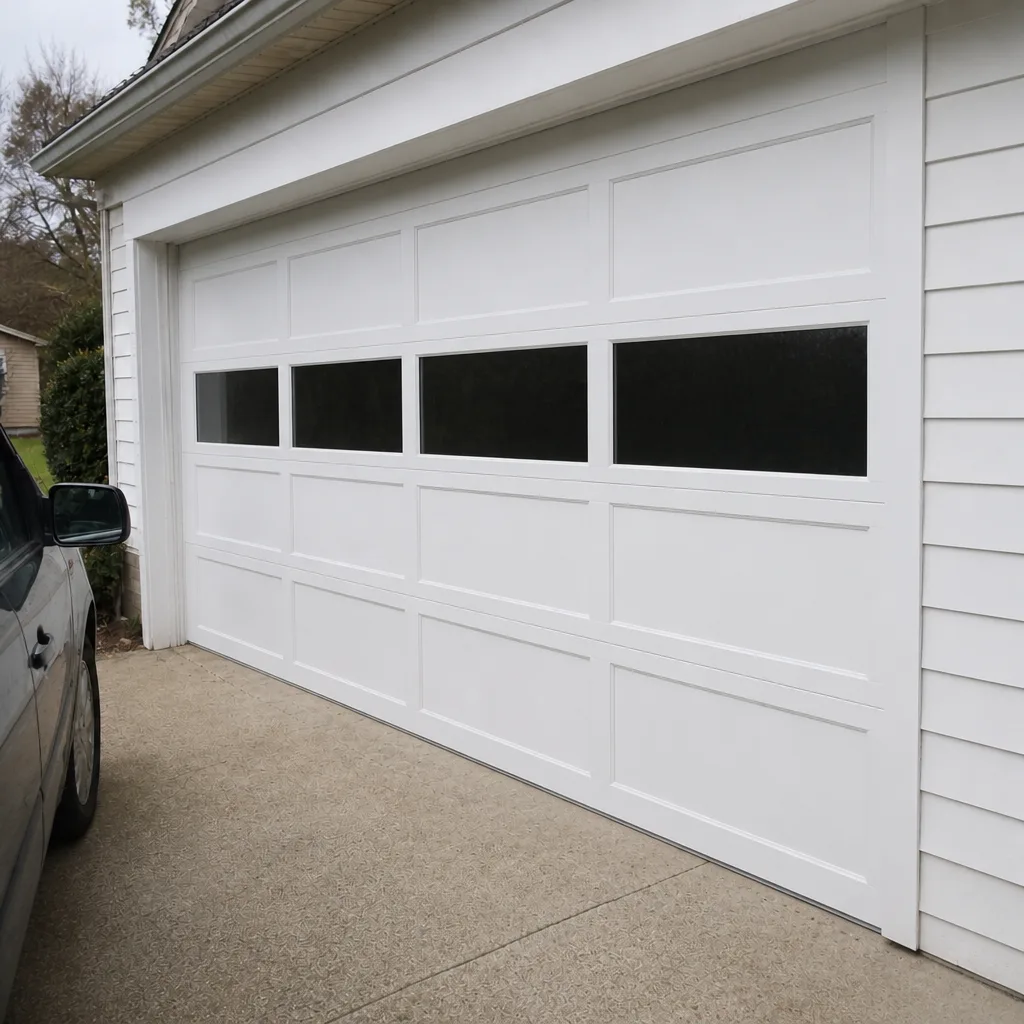 After
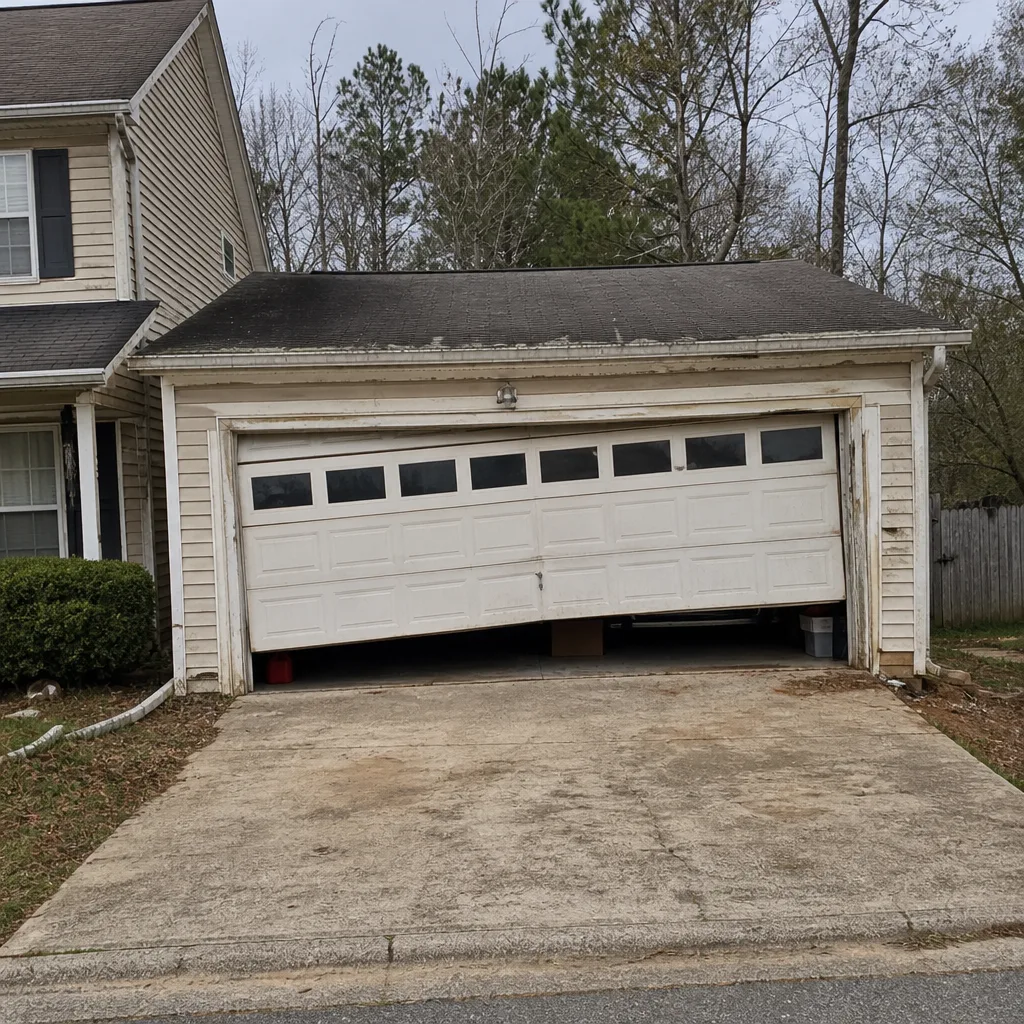 Before
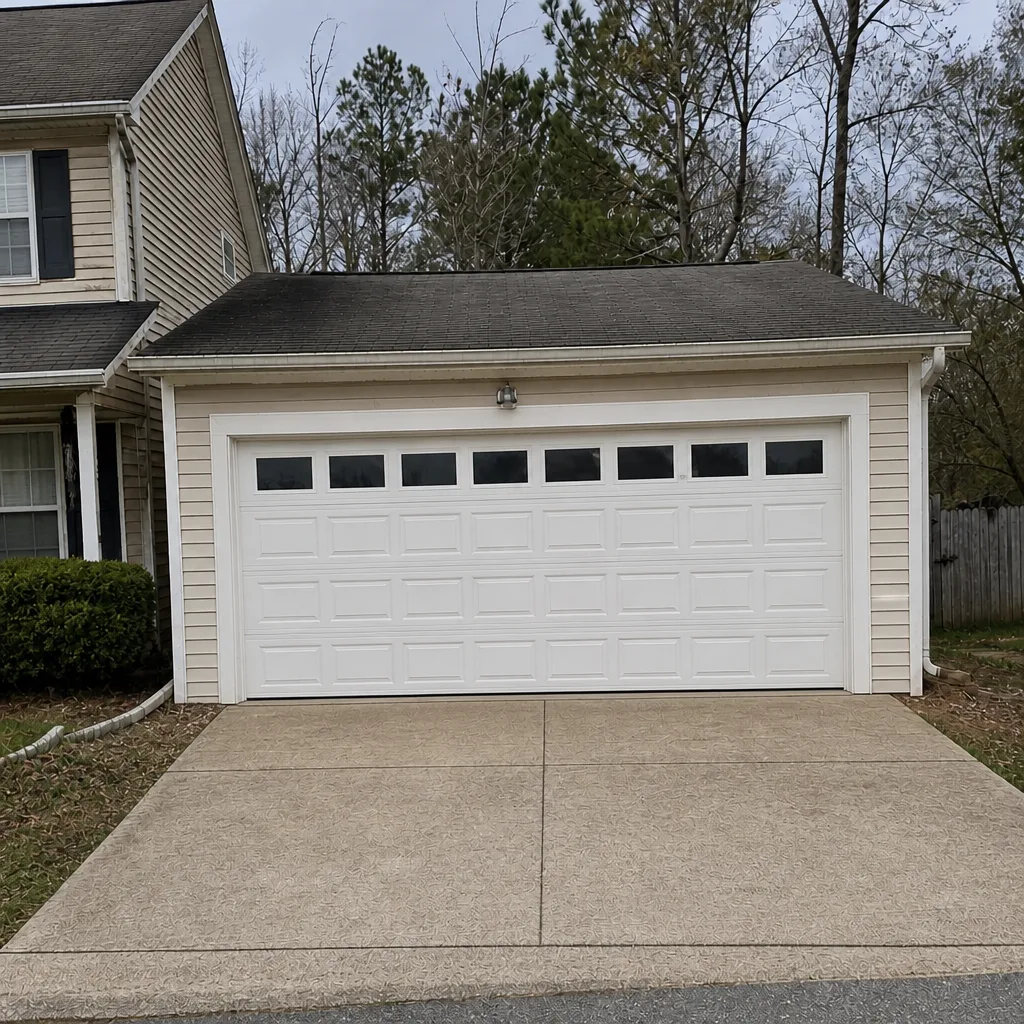 After
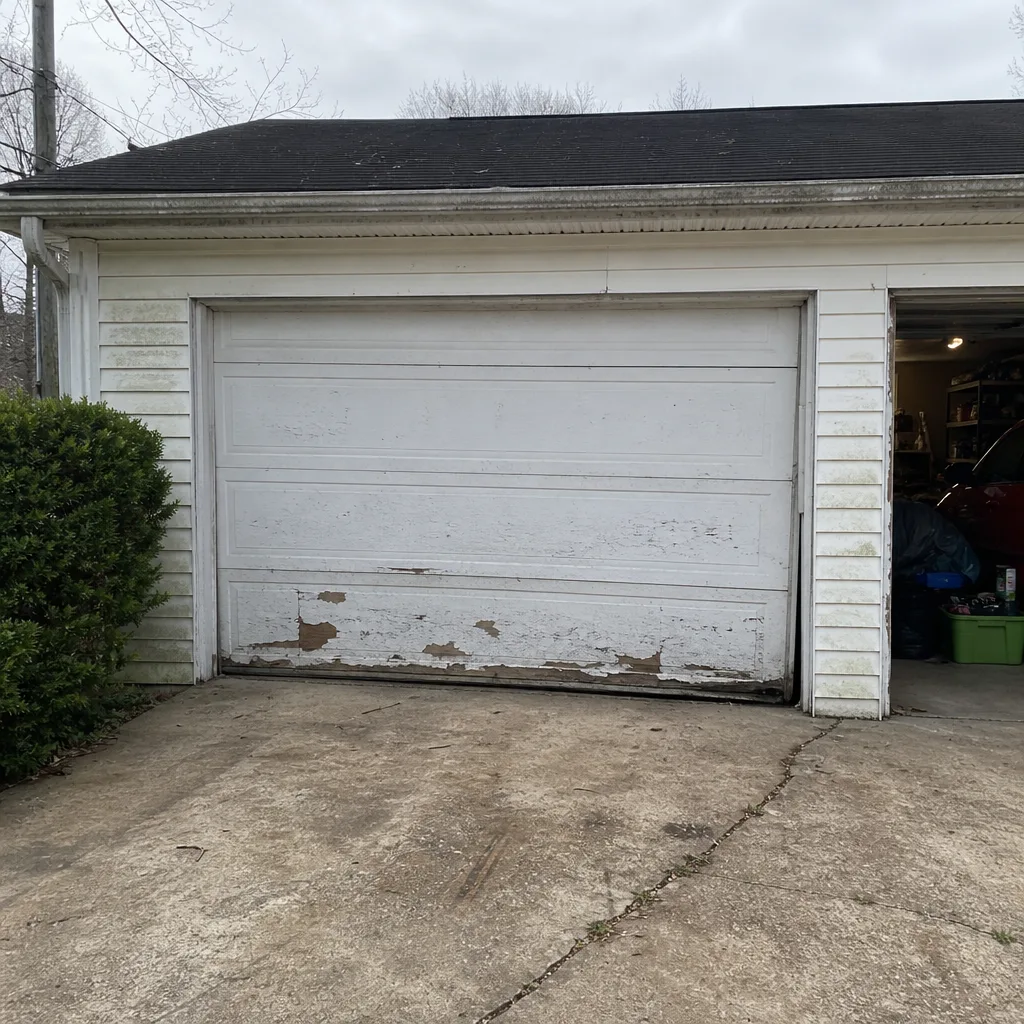 Before
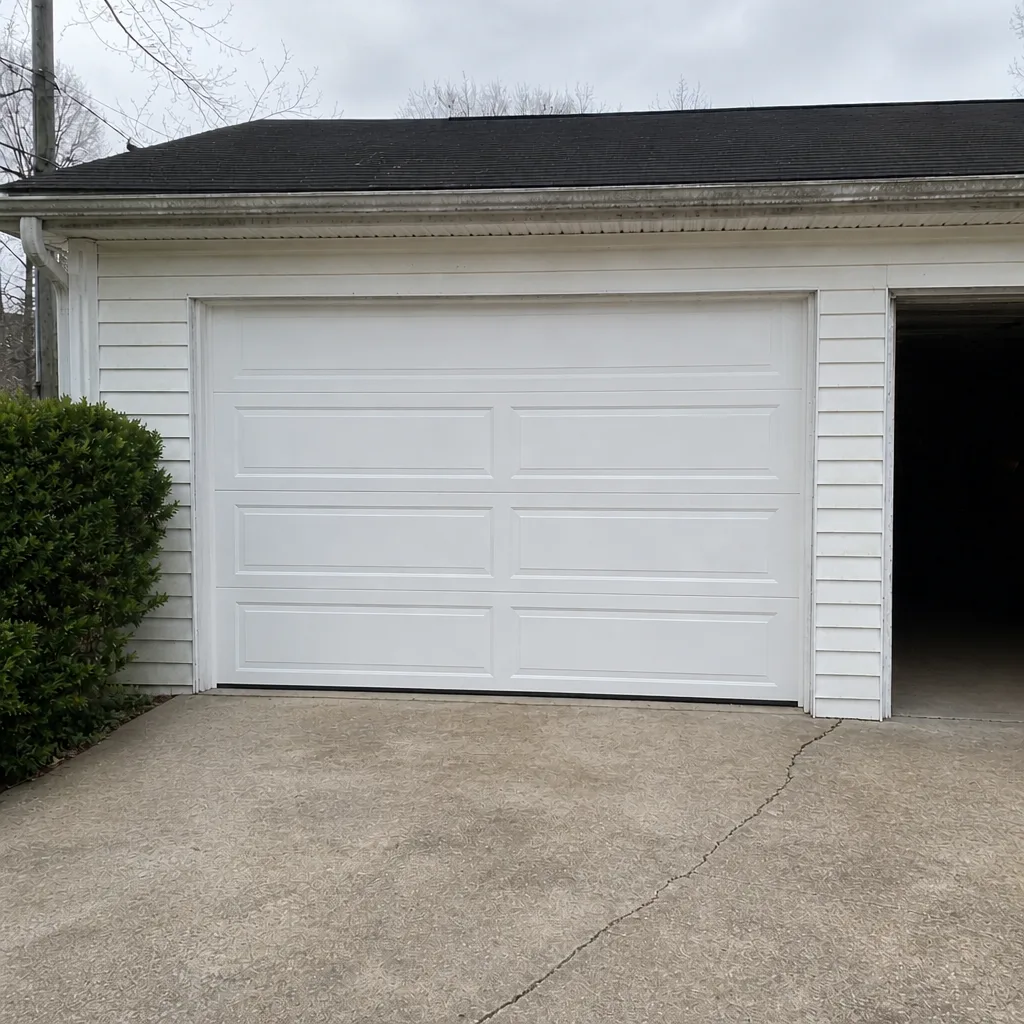 After
When to Call a Professional
Call a professional the moment you see a snapped torsion spring, hear a loud bang from the garage and the door won’t lift evenly, notice a cable that’s come loose or is riding crooked on the drum, or find the door off its tracks. Call immediately if the door reverses on its own or won’t stay closed – that’s a safety failure, not an inconvenience. Call before you loosen anything that carries spring or cable tension, and call before you add or move electrical work for an opener. For an unexpected failure, call (833) 968-8548. Garage Door Repair Gainesville Pros offers free estimates in Gainesville, and same-day emergency service is available for the situations that can’t wait.
Frequently Asked Questions
No. A torsion spring stores 150 to 200 pounds of torque, and loosening the winding bars without the right technique can cause serious injury in under a second. Spring replacement isn’t a skill-gated task – it’s a physics-gated task. Call (833) 968-8548 and we’ll schedule a same-day spring repair.
Yes. Both are low-risk tasks you can handle yourself. Sensor alignment needs only a straight bracket and a clean lens; remote reprogramming follows a single page in your opener manual. Save the call for a spring, cable, or opener issue.
Most jurisdictions regulate electrical work and require a permit for at least some of it, so ask the Hall County building department about your specific address before running a new circuit, moving an outlet, or hardwiring a unit. Reprogramming and battery changes don’t count as electrical work.
It can turn a $180 to $340 one-spring repair into a spring-plus-cable-plus-bracket job, or into panel replacement if the door comes down unevenly. The written estimate sets the final price before any work starts, so the number you’re quoted is the number you pay. Call (833) 968-8548 for a free estimate.
Yes. Emergency garage door service is a real offering, and we schedule same-day responses for doors that are blocking access. Call (833) 968-8548 and tell us whether the door is stuck open or stuck closed so we can plan the right response.
We diagnose and repair across eight major manufacturers, including LiftMaster, Chamberlain, Genie, Clopay, Amarr, Wayne Dalton, Craftsman, and Raynor. If your door is one of these, we can help. Call (833) 968-8548 to confirm your exact model before booking.
The Bottom Line
The DIY vs. professional decision isn’t about your capability. It’s about classifying the task. Sensor alignment, remote reprogramming, weatherstripping, and lubrication are green-light jobs most Gainesville homeowners can finish in under an hour. Torsion and extension spring work, cable replacement, opener wiring, and a door off its tracks are red-light jobs where the physics makes a mistake expensive or dangerous. The gray zone – rollers, panels, travel limits – is a judgment call. Everything in the red bucket is what we’re set up for across eight major brands, with up to 13 years of experience and a written quote before work starts.
Call (833) 968-8548 for a free estimate in Gainesville. Estimates are free, and pricing is always quoted and agreed before any work begins.
Written by the team at Garage Door Repair Gainesville Pros.