Last updated November 23, 2026
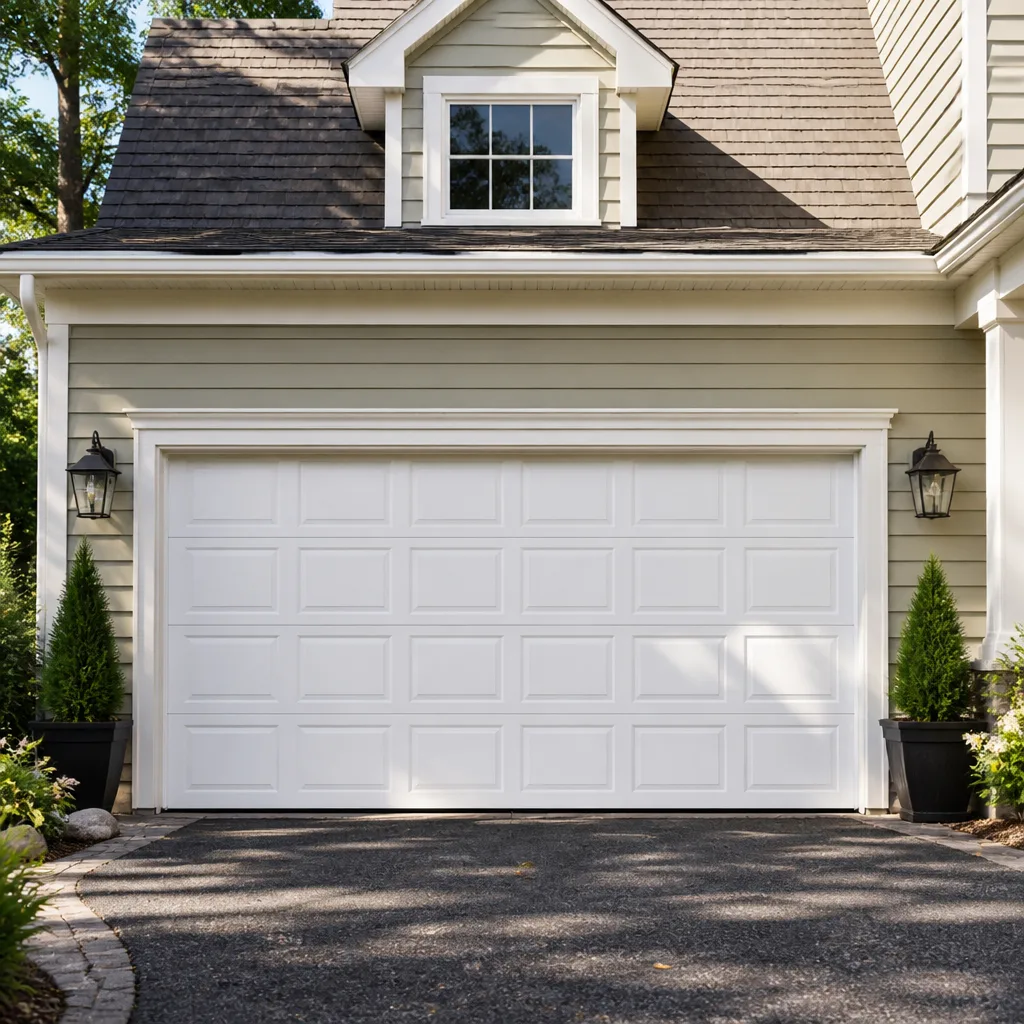 Raised-panel steel
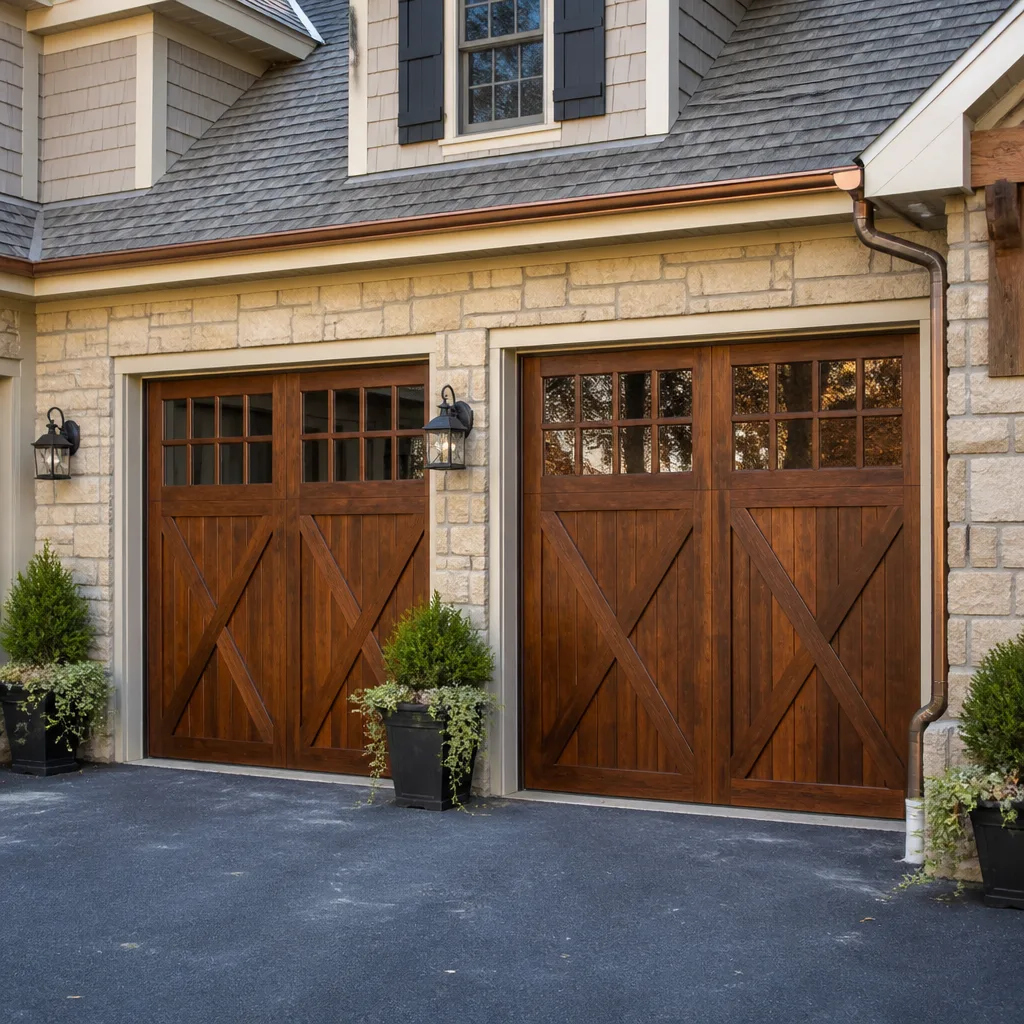 Carriage house
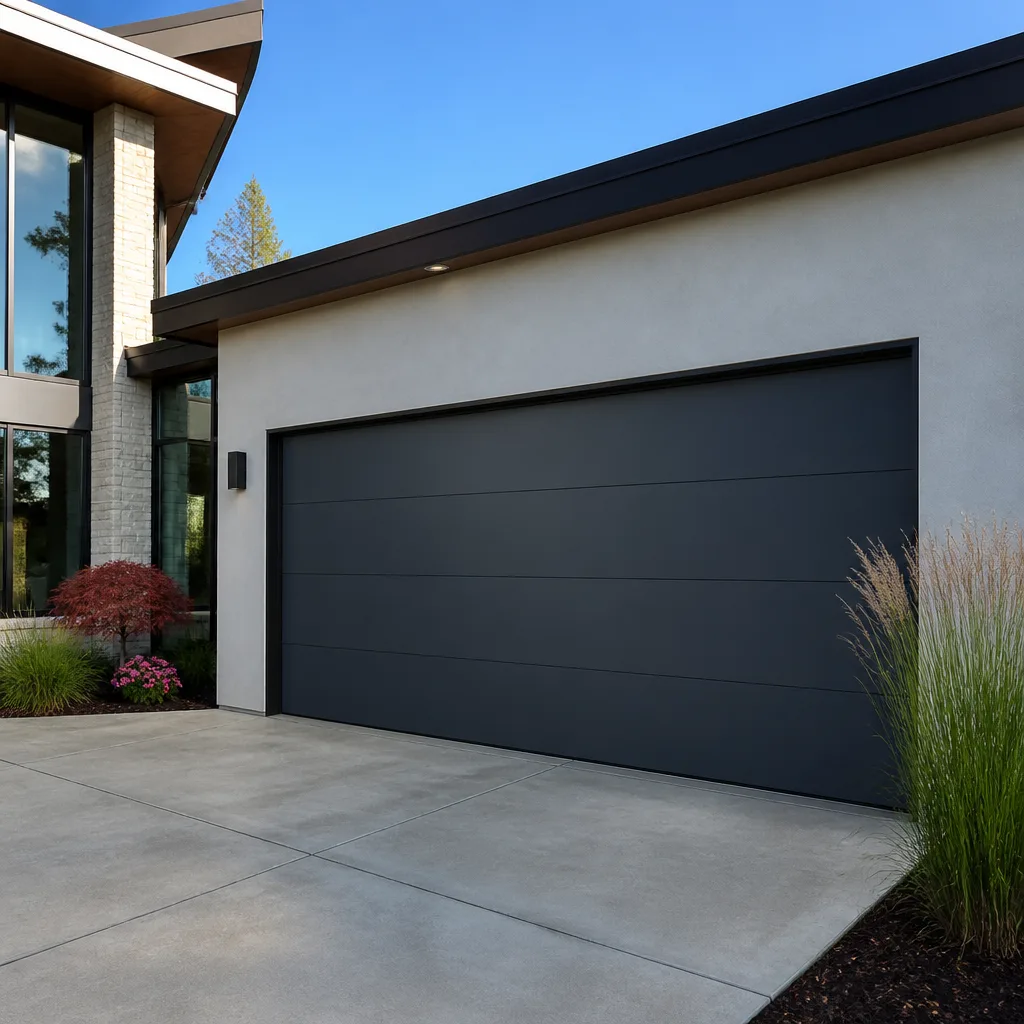 Modern flush
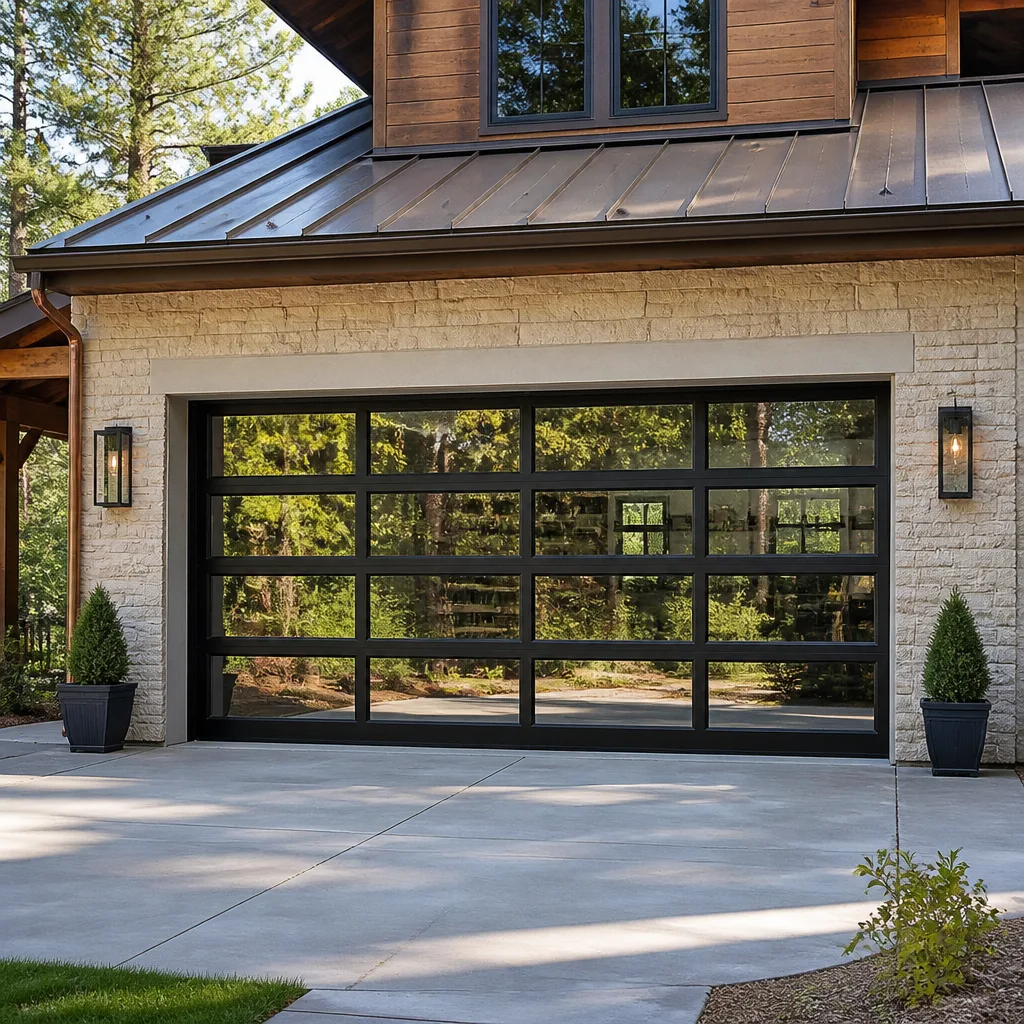 Full-view glass
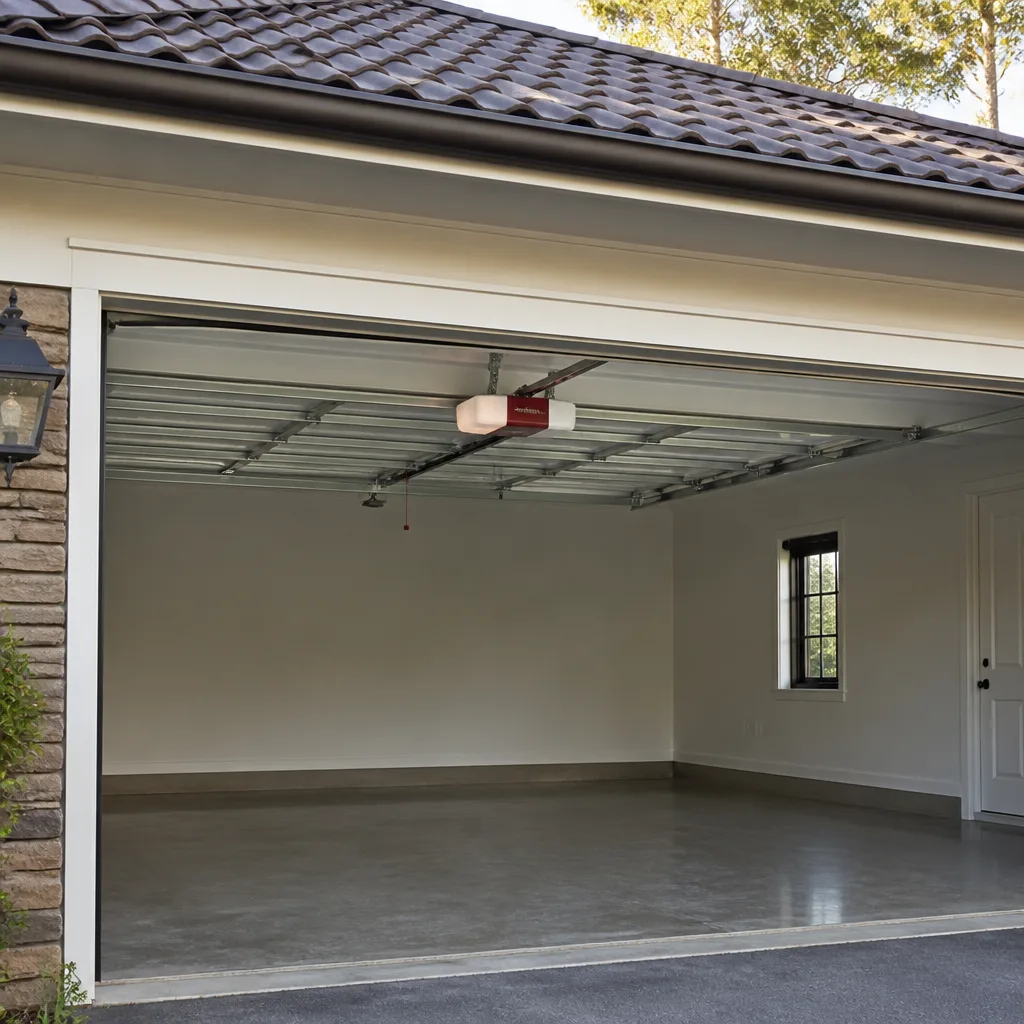 LiftMaster openers
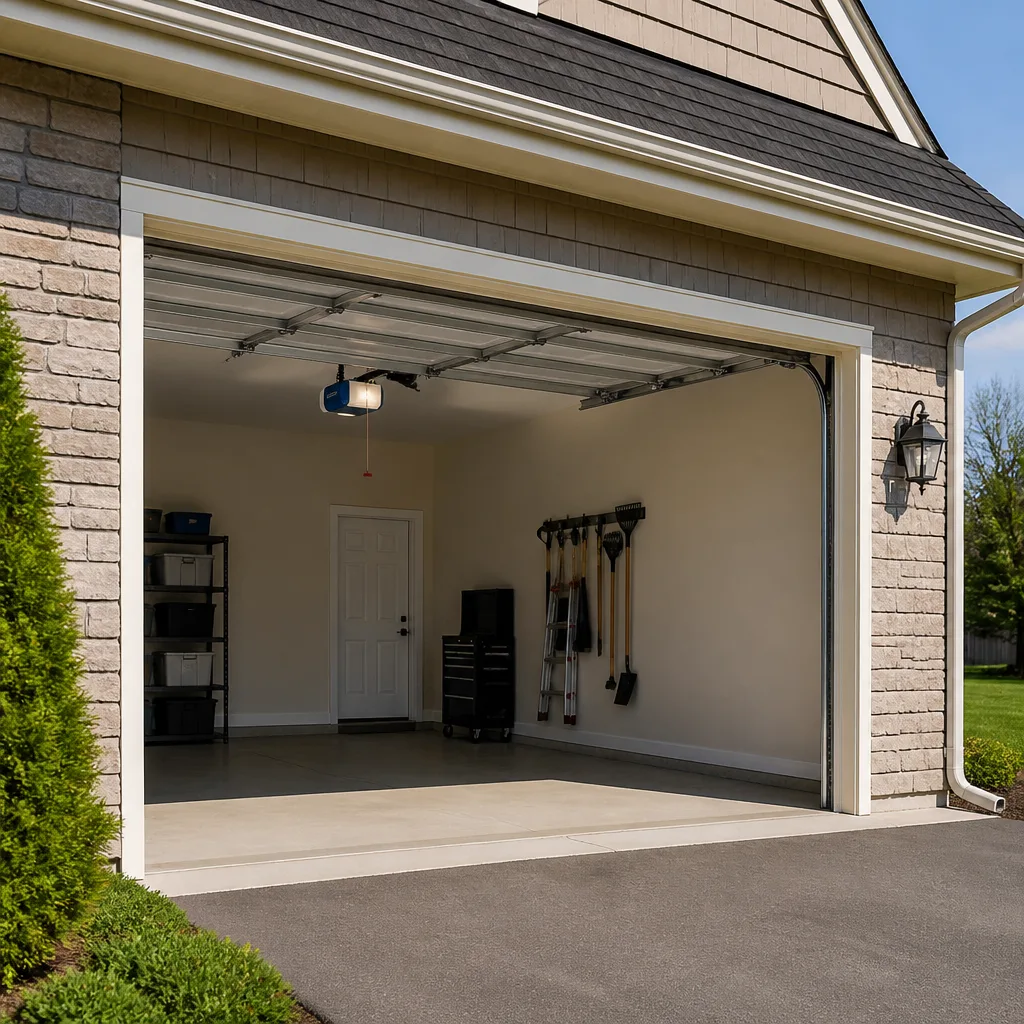 Chamberlain openers
Full 25-point door and opener safety check with every visit - springs, cables, rollers, tracks, and your LiftMaster or Chamberlain opener included
You get a price before we start. It does not change when the pro arrives.
Get your free estimateGarage Door Warning Signs: A Gainesville Homeowner’s Reference Guide
A garage door doesn’t just break. It tells you it’s going to break. The problem is that most homeowners don’t know how to read the signals – a door that takes three seconds longer to open than it did last month may be showing a torsion spring that has only a handful of cycles left before it snaps, and a faint grind at the start of every cycle is often a roller or bearing telling you it’s dry. In Gainesville, where summer humidity works on steel and wood alike, those early clues matter even more. This guide teaches you to read the warning signs the way a technician does, so you decide when to repair, not the door.
Quick Answer
The most reliable garage door warning signs are a door that opens or closes slower than it used to, grinding or popping sounds during travel, a torsion spring with visible rust or a widening gap in its coils, and an opener that hesitates, reverses, or responds late to the remote. Any one of these usually means you have two to four weeks before a repair becomes an emergency. Two or more together means you should stop using the door and have it looked at.
Styles & brands we work with
- Raised-panel steel
- Carriage house
- Modern flush
- Full-view glass
- LiftMaster openers
- Chamberlain openers
Table of Contents
- What the Sounds Are Telling You
- Reading Your Springs Before They Fail
- The 60-Second Balance Test
- Opener Behavior Changes That Matter
- Weather Seal Failures in Gainesville Humidity
- Visual Checks You Can Do From the Driveway
- Common Mistakes to Avoid
- When to Call a Professional
What the Sounds Are Telling You
Every garage door makes noise. The question is whether the noise has changed. A door that has always rumbled a little is normal; a door that suddenly starts grinding, popping, or scraping is not. We ask homeowners in Gainesville to describe three things when they call: when the sound happens, where it seems to come from, and whether it started gradually or all at once. Those three answers often point to the failing part before anyone touches the door.
Matching sounds to components
Here’s how we map the most common sounds to the parts that usually cause them:
- Grinding that builds through the whole cycle: usually dry or worn rollers, or a torsion spring that has lost its lubricating coating and is binding on its shaft. Left alone, the friction wears the shaft and turns a simple repair into a bigger one.
- A sharp pop or bang at the start of opening: frequently a torsion spring that has just snapped. If the door won’t lift at all afterward and the opener runs but nothing moves, stop and don’t force it.
- Scraping along one side: often a roller that has come loose from its hinge or a track that’s been knocked out of alignment. Scraping usually gets worse fast, because a misaligned track wears the roller edge and the door panel.
- A rattle or clunk near the top of travel: commonly loose hinges, a worn top bracket, or a chain that needs tension. Small and cheap to fix early. Expensive if a bracket tears out of a panel.
- A hum from the opener with no movement: the motor is trying to run but the door or the drive isn’t moving. That points at the opener’s gear or drive assembly rather than the door itself.
Why sound is your earliest warning
Most garage door components wear gradually. Rollers flatten, bearings dry out, springs lose tension, and a chain stretches. All of that changes how the door sounds before it changes how the door works. In our experience, listening carefully is cheaper than waiting for a failure. If you notice a new noise, note which part of the cycle it happens in – the first few inches, the middle, or the last foot before it closes. That detail helps a technician narrow the cause on the first visit instead of the second.
Reading Your Springs Before They Fail
Torsion springs are the most dangerous part of any garage door system, and they almost always show physical warning signs before they snap. We’re not suggesting you adjust anything on them – spring work takes specialized tools and training, and we recommend leaving it to a professional. But you can learn to look. What you’re checking for is rust and gap formation, because both predict a spring that’s near the end of its life.
What rust patterns mean
Torsion springs are wound steel under enormous tension. Over time, moisture in the air starts to corrode them, and the corrosion concentrates where the steel is stressed. A light surface film on a spring is normal in Gainesville’s humid summers. What matters is what the rust looks like:
- Uniform light rust: cosmetic. Keep an eye on it, but no urgent action needed.
- Rust concentrated in a ring or band around the coil: that band is often where a fracture will start. This is the pattern worth showing a technician.
- Flaking or pitting rust: the steel has lost material. A spring in this condition can fail without any further warning, so don’t wait on it.
- Rust along the length of the shaft: the shaft itself is corroding, which increases friction on the spring and shortens its life. It’s a maintenance item, not an emergency, but it doesn’t fix itself.
Gap formation in the coils
A healthy torsion spring has its coils packed together fairly evenly. If you see a widening gap between coils – especially one that wasn’t there a few months ago – the spring is stretching as it weakens. That gap is one of the clearest early indicators that a spring is losing tension, and it usually shows up weeks or months before a break. Look from a safe distance with the door closed and the opener disconnected only if you’re sure how to do that safely. When in doubt, just look from the side and don’t touch.
Why a matched pair matters
Springs are sized in pairs, and they wear at roughly the same rate. When one fails, the other is usually close behind. Replacing a single spring when the second is at the edge of its life means a second repair call soon afterward. That’s why spring repair estimates usually recommend replacing the pair together, and why the price for one spring is about half the price for a matched pair. When we quote spring work in Gainesville, we explain both options so you know why the recommendation looks the way it does.
The 60-Second Balance Test
The balance test is the fastest way to tell whether your door is weeks or months from a problem. It shows how much weight your springs are actually carrying, and a door that fails the test is telling you something. Run the test once a season, ideally in spring and fall when temperatures swing. It takes about a minute and needs no tools.
How to run the balance test
- Close the door completely and disconnect the opener using the manual release cord – the red handle hanging from the trolley on the rail.
- Lift the door by hand about halfway up and let go gently.
- Watch what happens. A balanced door should stay roughly where you let go, maybe drifting a few inches.
- If it slams down, the springs are weak. If it drifts up on its own, the springs are too strong or the door has been adjusted badly.
- Reconnect the opener only after the door is in the closed position and the trolley is re-engaged.
Reading the results
A door that slams down during the balance test is working against its opener. The opener has to lift part of the door’s weight by itself, which wears the gear, the drive, and the motor. In our experience, a door that’s been out of balance for a few months is usually due for both spring service and an opener check. A door that drifts upward is rarer but can be just as bad, because it puts the opener under compression and stresses the panels. Either result is worth a free estimate, and neither means the door will fail today – but the balance test is your best gauge of how soon it will.
Opener Behavior Changes That Matter
The opener is the brain of the system. When it starts hesitating, reversing at the end of travel, or ignoring the remote, the cause is usually the motor, the logic board, or the safety sensors – and each one leads to a different repair. One point worth a gentle warning: opener wiring runs at line voltage, so any repair that involves opening the unit or touching the wiring should go to a trained technician.
Hesitation and lag
An opener that pauses a second or two before responding is usually fine if it’s always done that. What matters is a change. If your LiftMaster or Chamberlain opener used to start immediately and now hesitates, the cause is often a weak capacitor, a logic board beginning to fail, or a wall button that’s starting to short. A remote that needs multiple presses or only works from close range can be a battery, but it can also be an antenna wire or a sensor that’s been knocked out of alignment.
Reversing and sensor issues
A door that reverses halfway down or closes an inch and jumps back up is trying to tell you something specific. The safety sensors at the bottom of the tracks have either been bumped, gotten dusty, or lost connection. Start by wiping the lenses and checking that the indicator lights on each sensor are steady and not flickering. If that doesn’t fix it, or the sensors aren’t the problem, the issue may be the logic board – which is common on older Genie and Craftsman units we see around Gainesville. That’s a repair rather than a reason to replace the opener, but the diagnostic has to be done in person.
Opener brands and smart features
Modern openers run on more than motors. LiftMaster MyQ, Chamberlain MyQ, and Genie Aladdin Connect all pair the motor with an app and a network connection, and failures in the app don’t always mean a failure in the opener. If the wall button works but the app doesn’t, the problem is usually the connection, not the door. If the wall button doesn’t work either, the door itself may be binding. Our garage door opener repair work covers both mechanical openers and connected units, so the diagnostic goes where the problem actually is.
Weather Seal Failures in Gainesville Humidity
Weather seals are the part of your garage door most likely to fail silently. In Gainesville, the combination of humid summers and the occasional hard thunderstorm puts a lot of strain on the bottom seal, the side seals, and the top seal. A failing seal doesn’t usually announce itself with noise – it announces itself with a puddle. By the time a puddle shows up inside the garage, water has often been getting into the bottom section for weeks, and wood can already be swollen or steel can already be rusting at the seams.
How to spot seal failure early
- Daylight under the closed door: this is the fastest check. If you can see light from outside along the bottom, the seal is no longer making contact.
- A stiff or brittle bottom seal: squeeze the rubber at the corners. Healthy seals stay soft. Sun and humidity turn them hard, and hard rubber cracks.
- Water stains or dark marks along the bottom panel: this is often the first sign of a leaking seal. Wood-look panels are particularly vulnerable if water sits in the panel seams.
- Peeling paint or bubbling at the bottom edges: usually the first sign moisture has gotten behind the paint, and usually a sign the seal was failing for a while before it showed.
- Hairlines of daylight at the sides or top: side seals and top seals fail more slowly, but the damage they cause is kept out of sight behind the door frame.
Why this matters in Gainesville specifically
Our humidity means the garage sits at high moisture much of the year. Wood composite and steel panels both hold up better when the seal keeps out rain and keeps humid air from circulating through the seams. Clopay and Amarr doors, which we service around Gainesville, both rely on a good bottom seal to keep the bottom section intact. A $50 to $90 seal replacement is usually the cheaper repair compared to a panel replacement later. If your seal is cracked, replace it before the wet season rather than after.
Visual Checks You Can Do From the Driveway
You don’t need to climb anything or take the door apart to spot most of the big problems. A walk around the outside of the door with the opener off, done once every month or two, catches most of what we find in spring and opener work. The point of these checks isn’t to fix anything. It’s to notice enough to call with an accurate description.
The five-minute walkaround
- Look at the door from the outside. Is it level? A door that’s higher on one side is off its tracks or has one weak spring. Either one is a reason to stop using the door.
- Check the rollers. With the door closed, look at the rollers at each hinge. Flat spots, cracks, or rollers that look tilted are on their way out.
- Look at the tracks. Tracks should be straight and parallel. Dents, bends, or gaps between the track and the door mean the door has likely taken an impact.
- Check hinges and brackets. Looseness, rust on the pivots, or screws that have worked their way out of the panel are common and easy to miss.
- Look at the cables. From a safe distance, check that the cables on each side hang evenly and look intact. Fraying, kinks, or uneven side-to-side tension is a reason to call before you use the door again.
Panels, paint, and low-speed impacts
Panels fail in a few recognizable ways. Faded or peeling paint on a vinyl door means the material has been degrading in UV for years. Dents along the bottom panel are often the result of a driveway impact, and while the dent is cosmetic, the impact can also bend the bottom roller or the track – so check both. Wayne Dalton doors, which we see often in Gainesville, sometimes show small stress cracks along the hinge points that aren’t visible until you’re up close. If you see a crack in the panel, don’t ignore it, because a panel under stress at a hinge can fail at that hinge.
Common Mistakes to Avoid
- Forcing a door that won’t open. If the door is stuck, the opener or the door is jammed, and repeated attempts strip gears, tear brackets, and can pull the door off its tracks. Stop, release the opener if you can do so safely, and call.
- Replacing one spring when the pair is due. Springs wear together. A single replacement means the second one usually fails soon after, and you pay for a second visit. If both springs are the same age, plan for both.
- Adjusting springs yourself. Torsion springs are under extreme tension and a wrong move can cause serious injury. This is the one garage door repair we never suggest a homeowner attempt. It’s also why we offer garage door spring repair as its own dedicated service – the work is dangerous enough that it shouldn’t be an afterthought.
- Oiling the tracks. Tracks should stay clean and dry. Oiling them attracts grit, which wears the rollers faster and creates the grinding noise you were trying to fix.
- Ignoring a slow seal leak. Gainesville humidity is hard on wood and paint, and a leaky bottom seal is cheap to replace early and expensive to fix later once the bottom panel has swollen.
- Assuming a new opener will fix a door problem. If the door is out of balance or the springs are weak, a new opener just works harder against a bad door and fails sooner. Fix the door before the opener.
- Using a general handyman for spring or opener work. Spring and opener repairs need specific tools, specific training, and a clear understanding of the system. A generalist who can’t safely do the work often declines it, or does it badly.
When to Call a Professional
Some warning signs can wait a few weeks. Others mean stop using the door today. Call right away if a torsion spring has snapped, a cable is frayed or hanging loose, the door is visibly off its tracks, or the door has come down unbalanced on one side. Also call if the opener runs but the door doesn’t move, or if you hear a loud bang from the garage and the door won’t lift afterwards. For slower warning signs – a new grinding sound, a hesitant opener, a leaking bottom seal – schedule a repair before it turns into one. Garage Door Repair Gainesville Pros offers free estimates in Gainesville, and our technicians have up to 13 years of experience across every major brand of door and opener. Call (833) 968-8548 or request a free estimate and we’ll help you decide whether you’re looking at weeks or months.
Frequently Asked Questions
The earliest signs are usually a change in sound and a change in speed. A door that grinds at the start of travel or opens a couple of seconds slower than it did last month is telling you that a roller, bearing, or spring is wearing. A torsion spring with rust bands or visible gaps in its coils is another early sign. Any of these is a reason to get an estimate before the door fails completely.
Most garage door systems last 10 to 15 years with regular maintenance, though torsion springs are typically the first major wear item and often need replacement sooner. Weather seals and rollers wear faster than the door itself. In Gainesville, humidity speeds up seal wear and makes rust on springs and shafts show up earlier, so a yearly visual check keeps the timeline predictable.
No. Torsion springs are under extreme tension, and a wrong move during replacement can cause serious injury. Extension springs are less dangerous but still risky once they’re loaded. Spring repair needs specific tools and specific training, so we always recommend a professional. If a spring has snapped, stop using the door and call.
The most common cause is a safety sensor that has been bumped, gotten dusty, or lost alignment. Wipe the lenses and check that both sensor lights are steady. If that doesn’t fix it, the logic board or the wiring is usually the culprit. Reversing is a safety feature doing its job, so don’t bypass it – have it looked at.
If you can see daylight under the closed door, or the bottom seal feels stiff and cracked when you squeeze it, it needs replacing. Water stains or dark marks along the bottom panel are a sign water is already getting in. In Gainesville’s humidity, replacing a failing seal early protects the bottom section from swelling and corrosion.
Repair costs vary by the part involved. Roller and hinge replacements are on the low end, spring repair is in the middle, and opener or panel work runs higher depending on the brand and model. We give a written estimate before any work starts, and the price you’re quoted is the price you pay. Call (833) 968-8548 for a free estimate.
The Bottom Line
A garage door rarely fails without warning. Noise, speed changes, spring rust, balance problems, and a hesitant opener are all early signals, and reading them gives you weeks of choice instead of a sudden emergency. Run the balance test once a season, listen for changes, check your seal before the wet months, and call when two or more signs show up together. Our technicians have up to 13 years of experience with every major brand, from LiftMaster and Chamberlain openers to Clopay and Amarr doors, and spring work is a dedicated part of what we do. Call (833) 968-8548 for a free estimate. Written by the team at Garage Door Repair Gainesville Pros.
Written by the team at Garage Door Repair Gainesville Pros.
See the difference
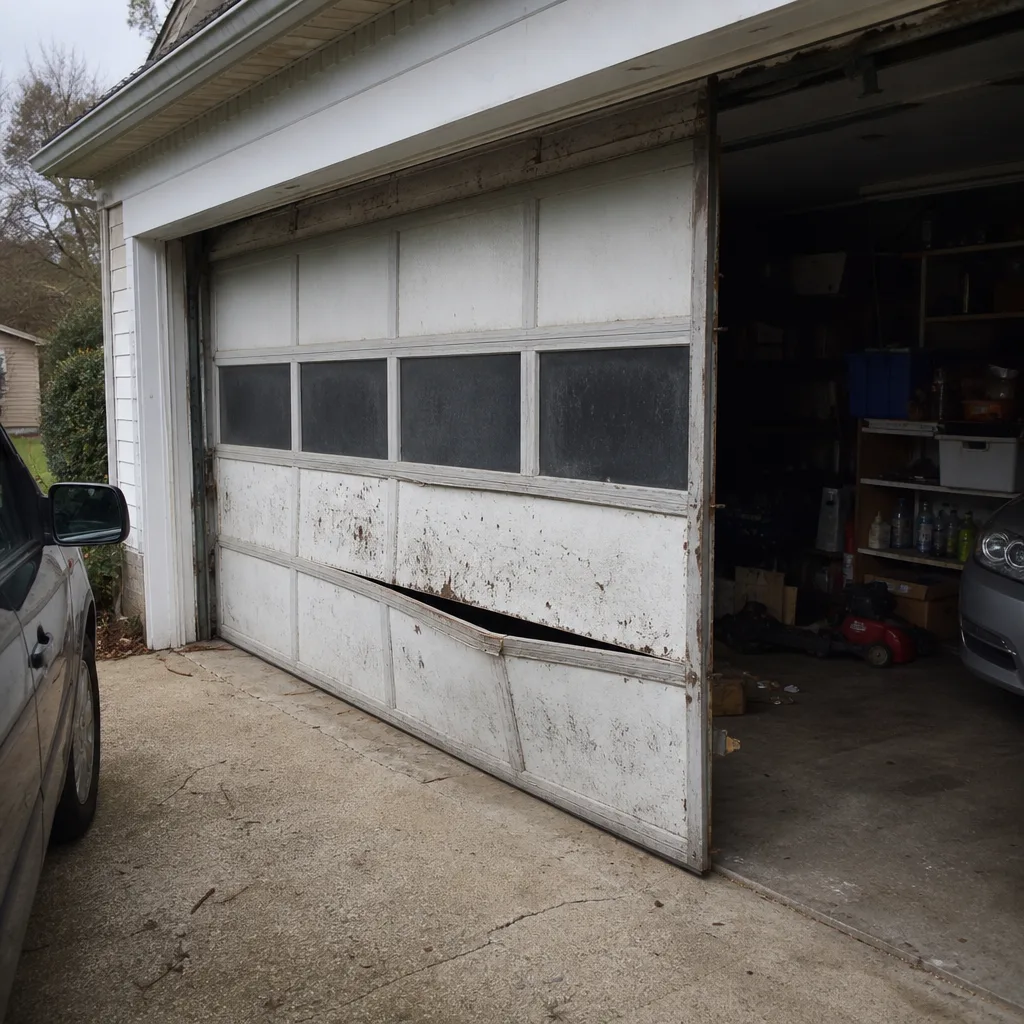 Before
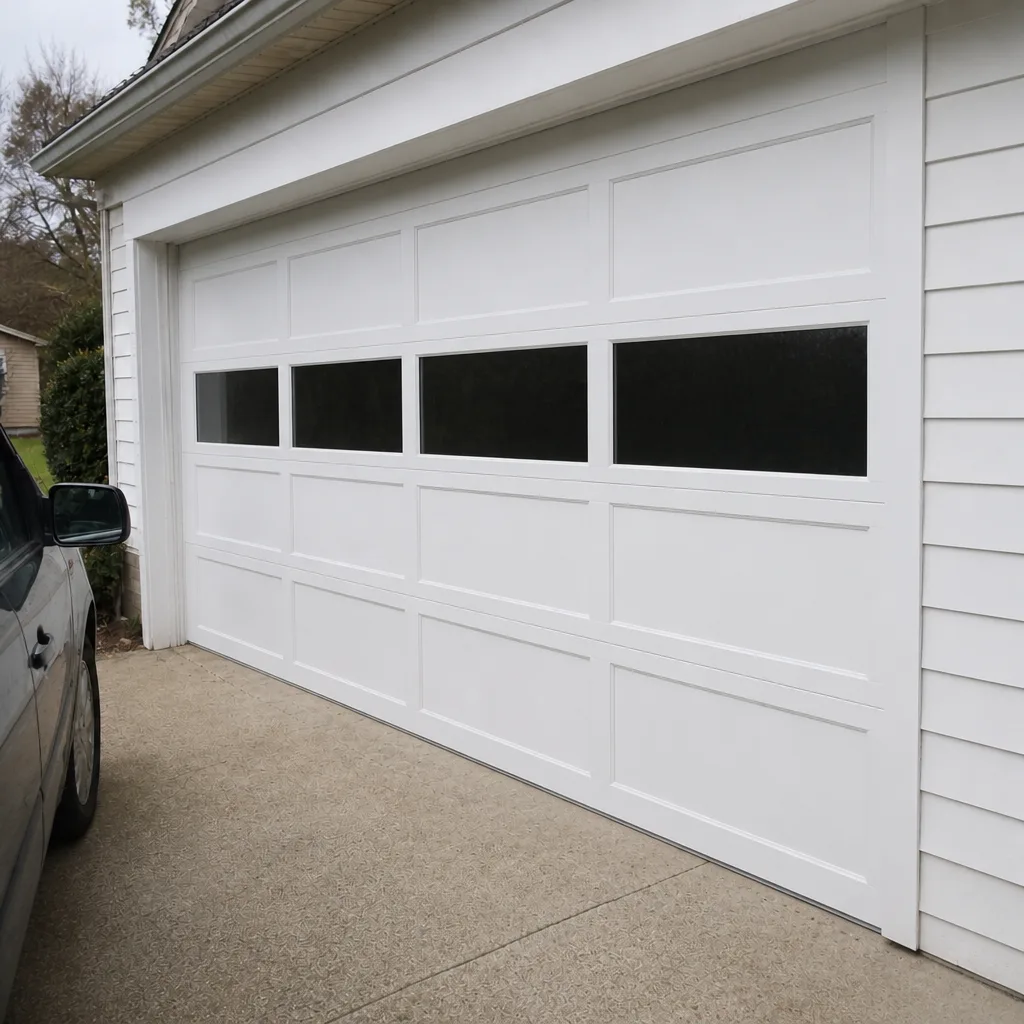 After
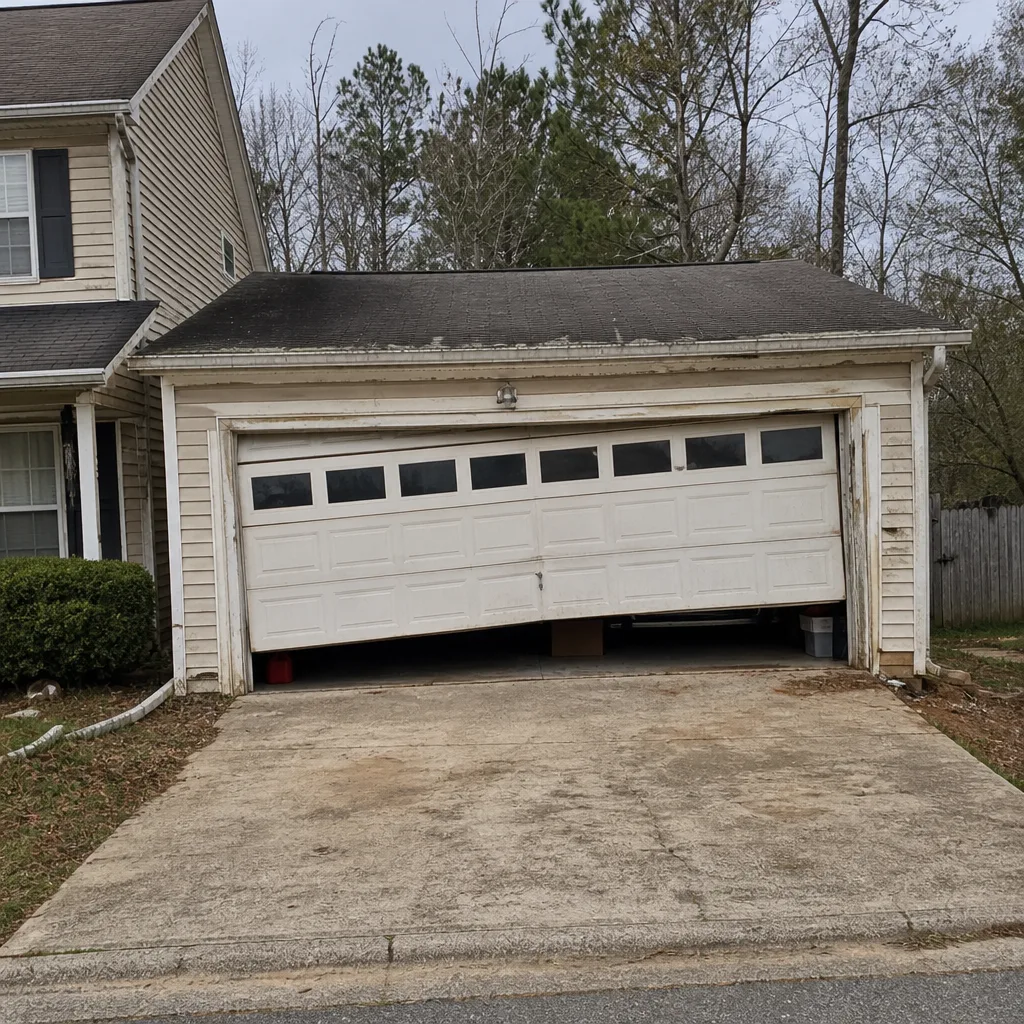 Before
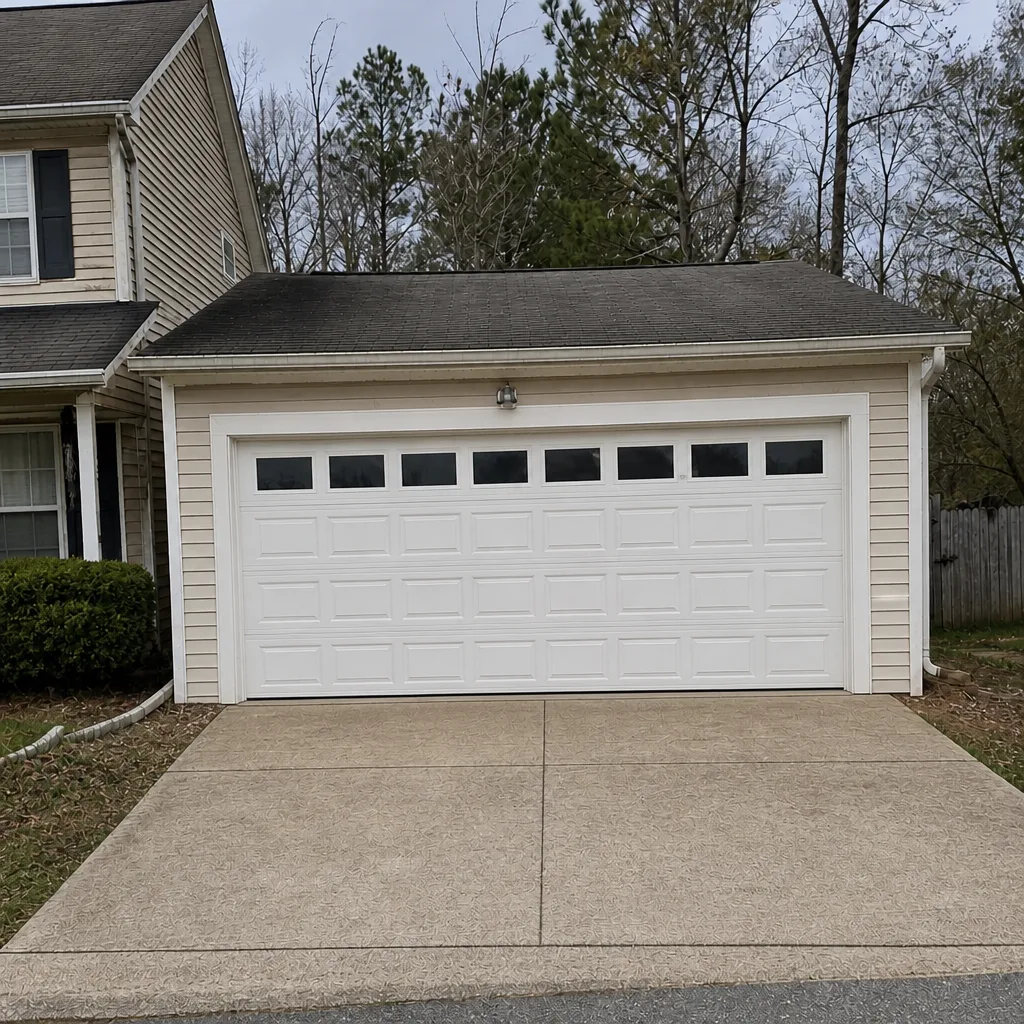 After
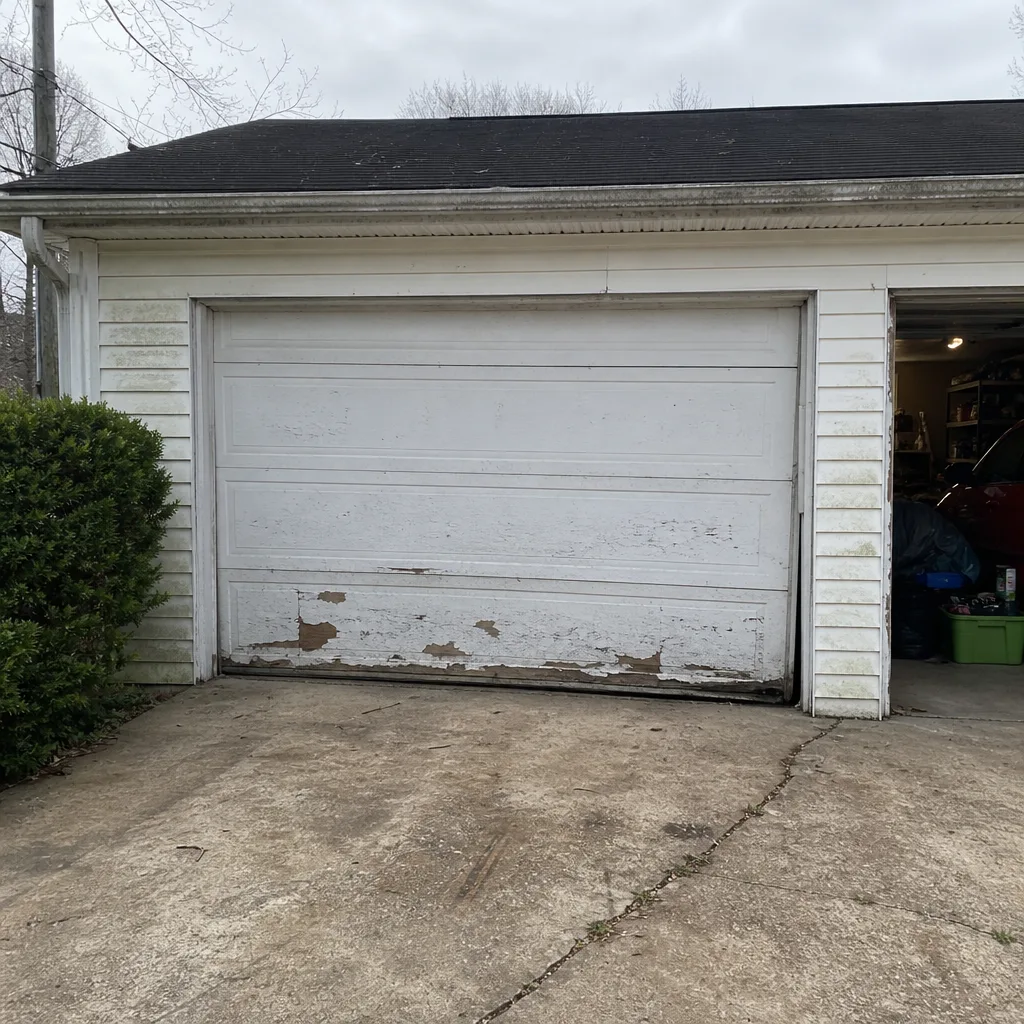 Before
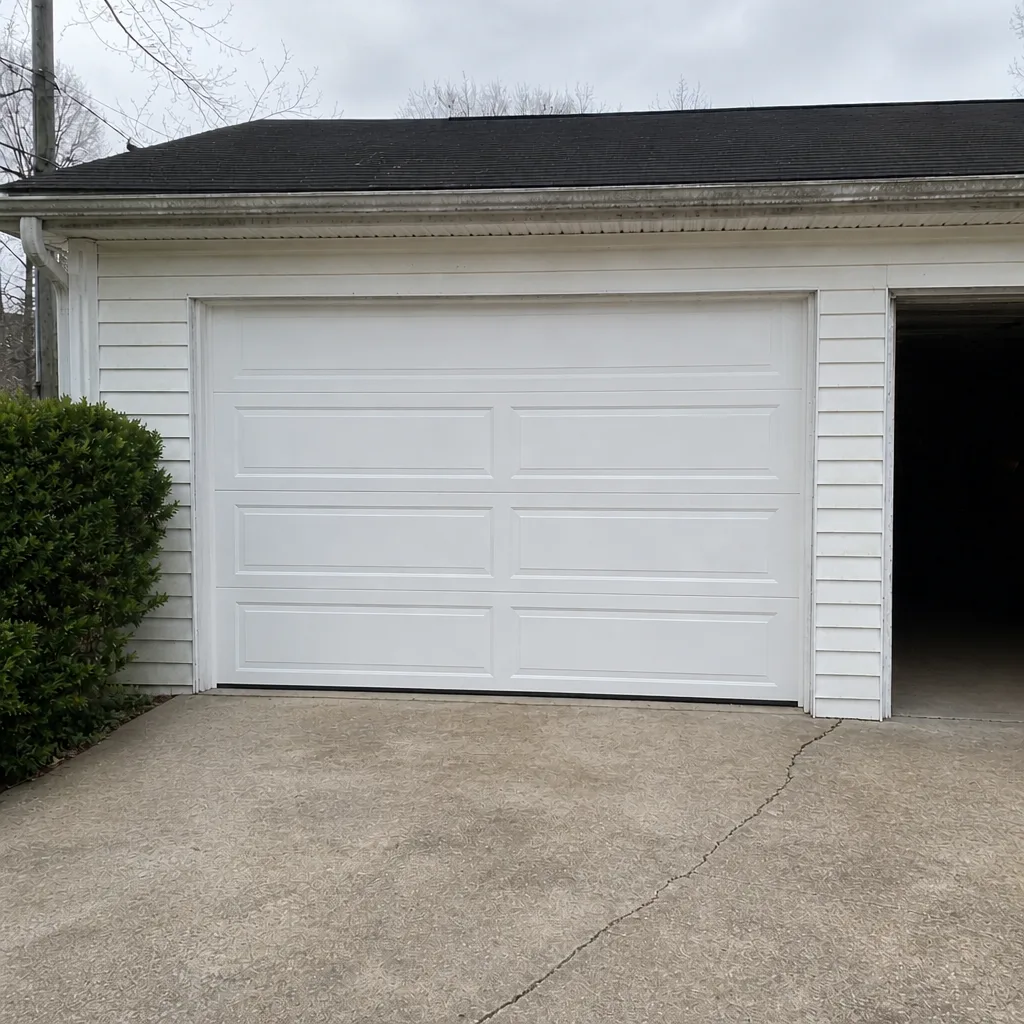 After