Last updated November 23, 2026
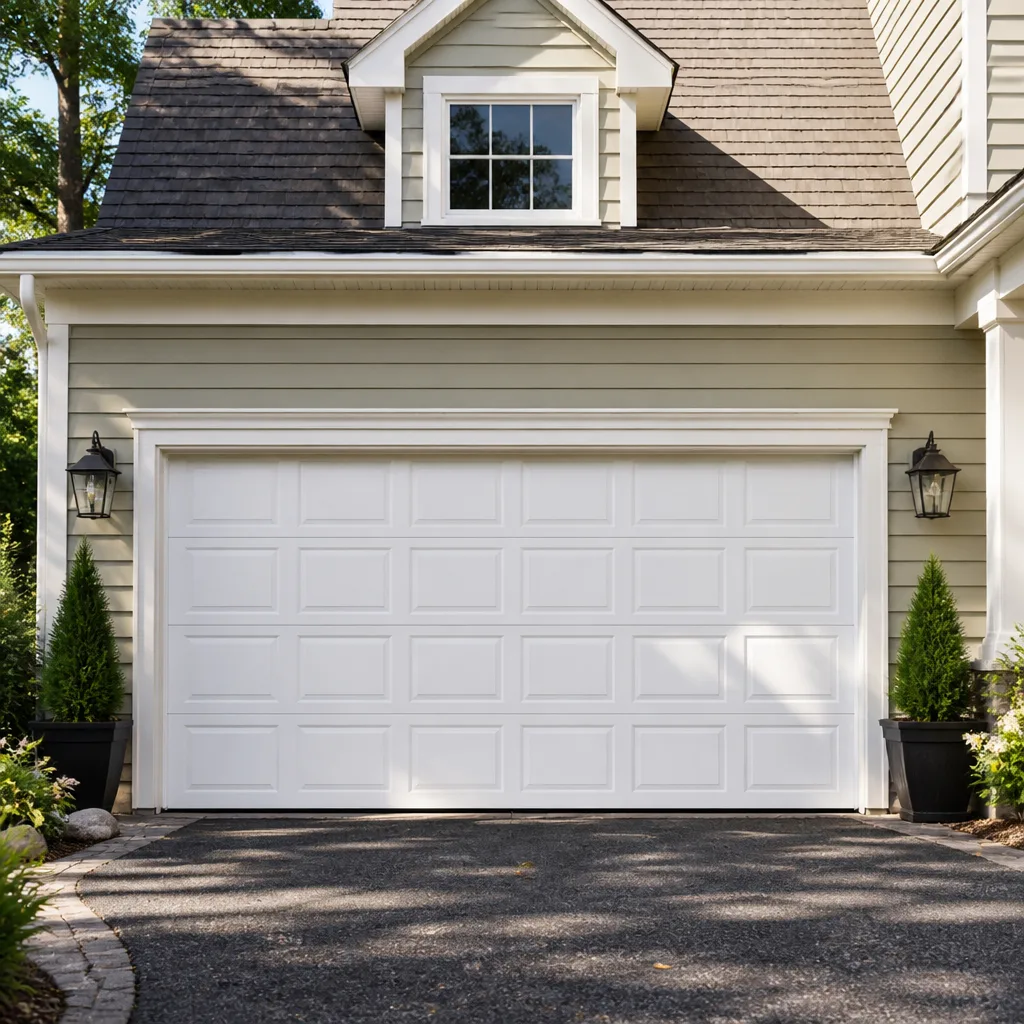 Raised-panel steel
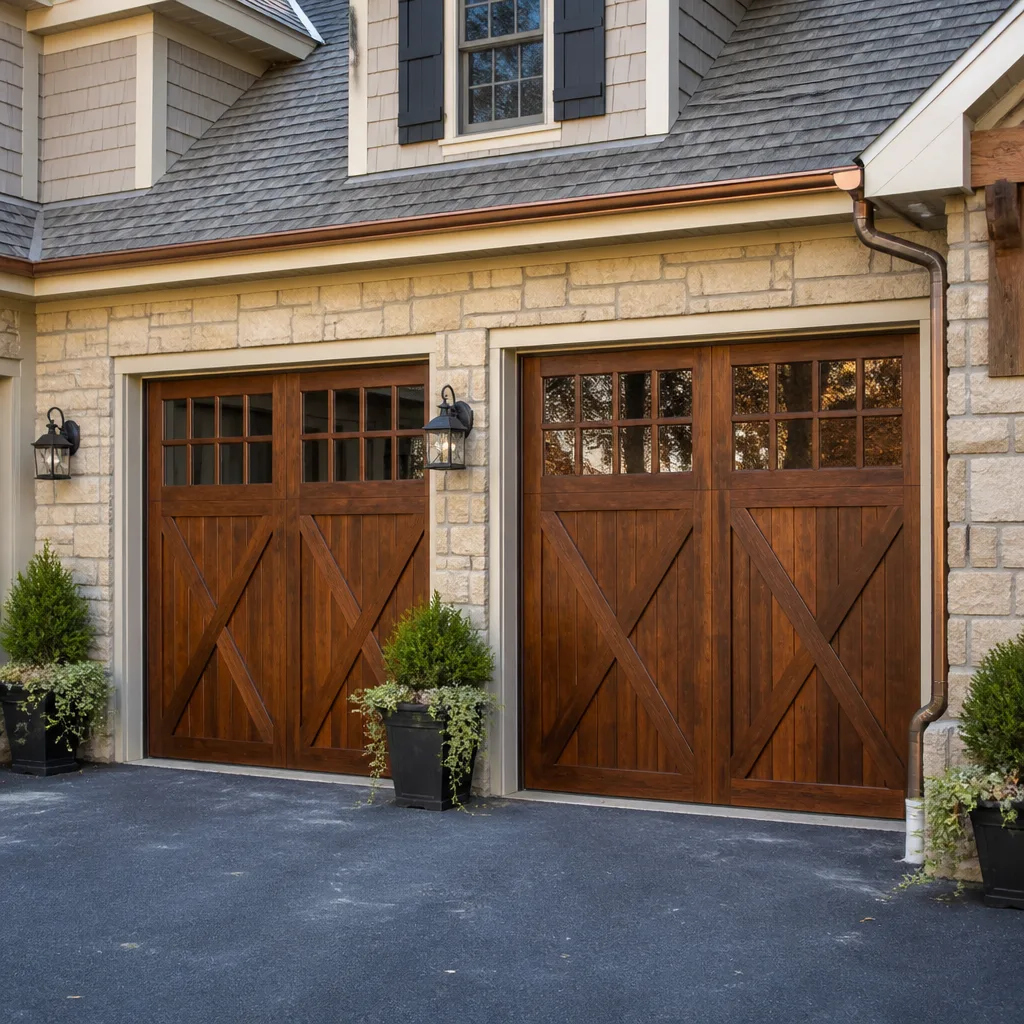 Carriage house
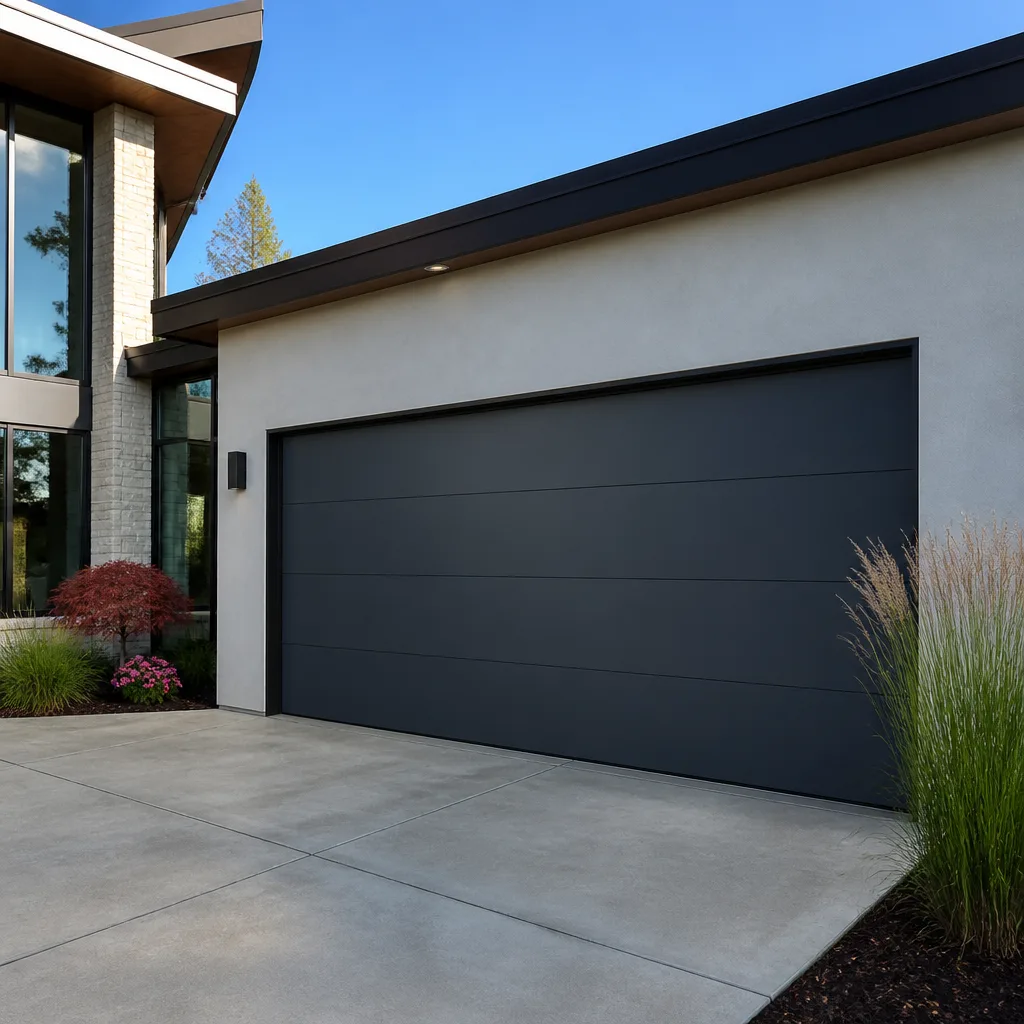 Modern flush
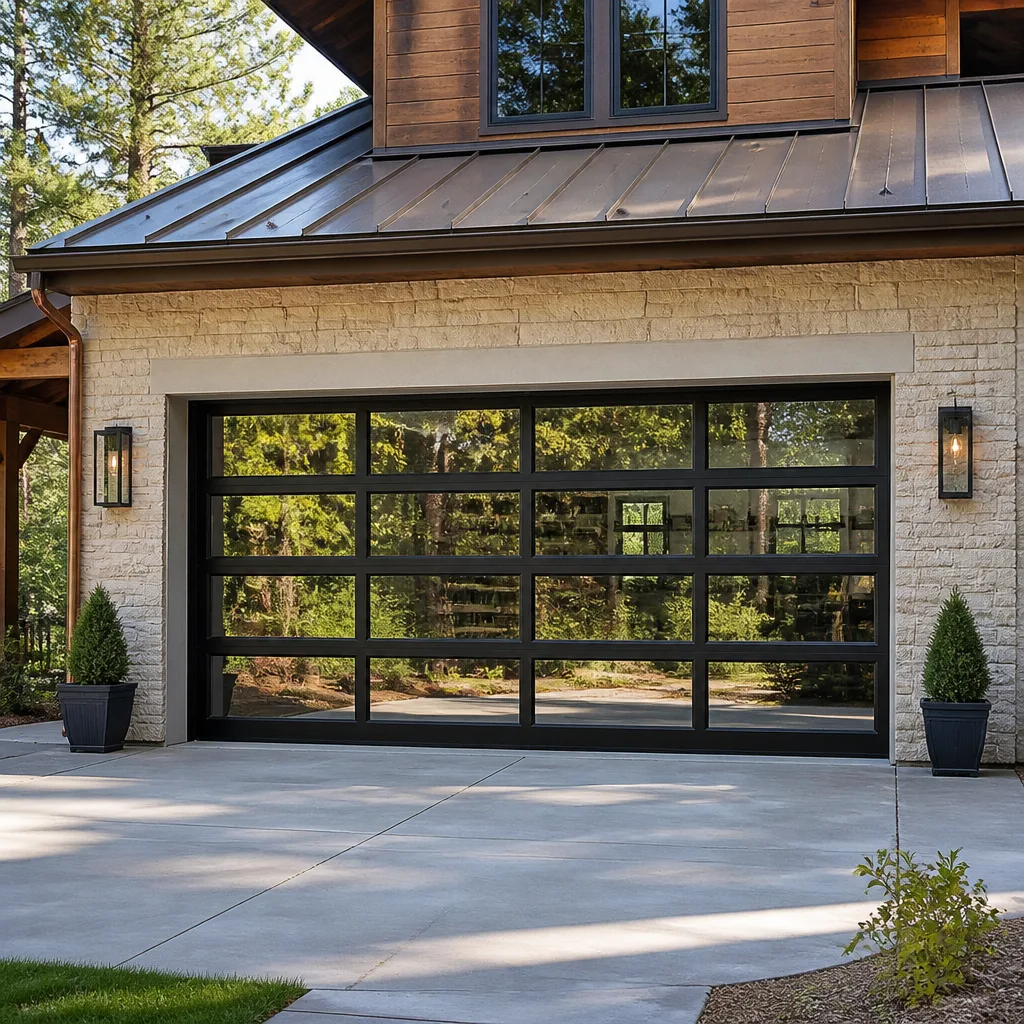 Full-view glass
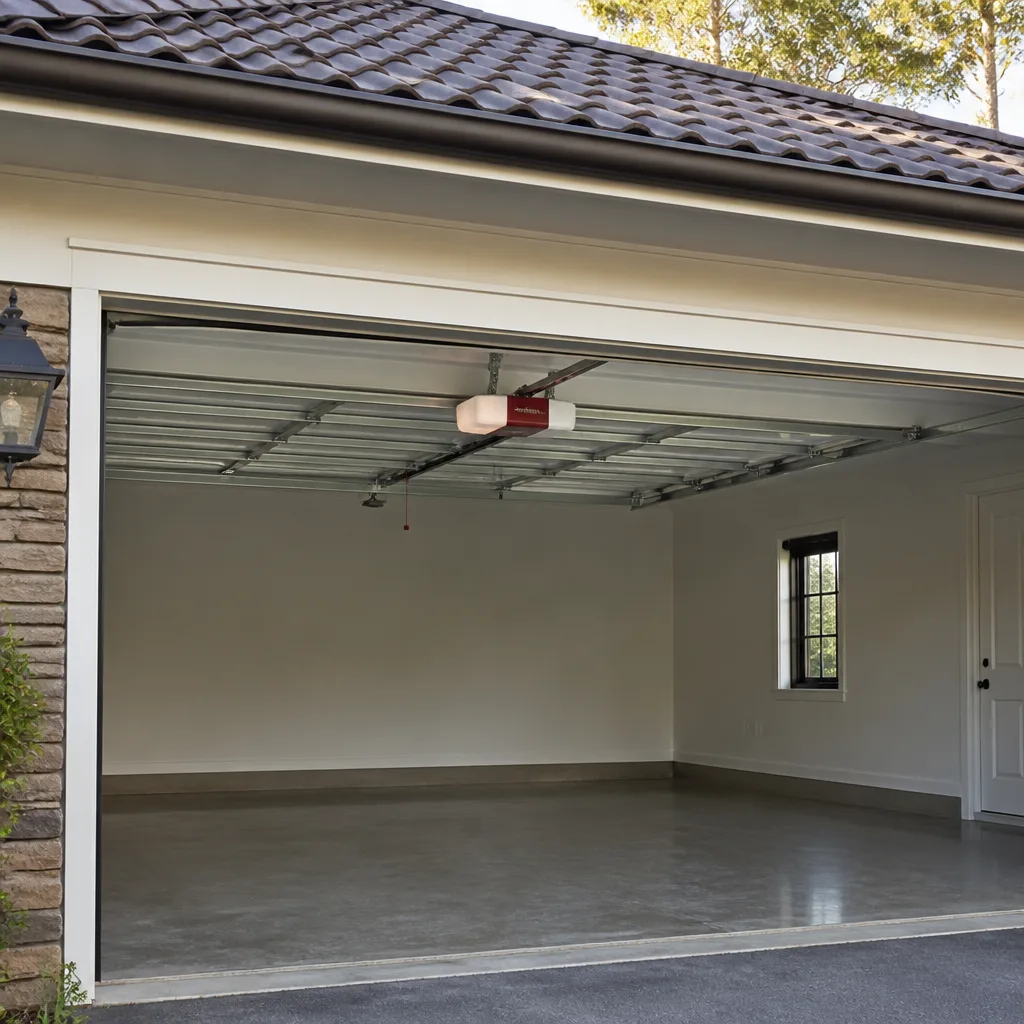 LiftMaster openers
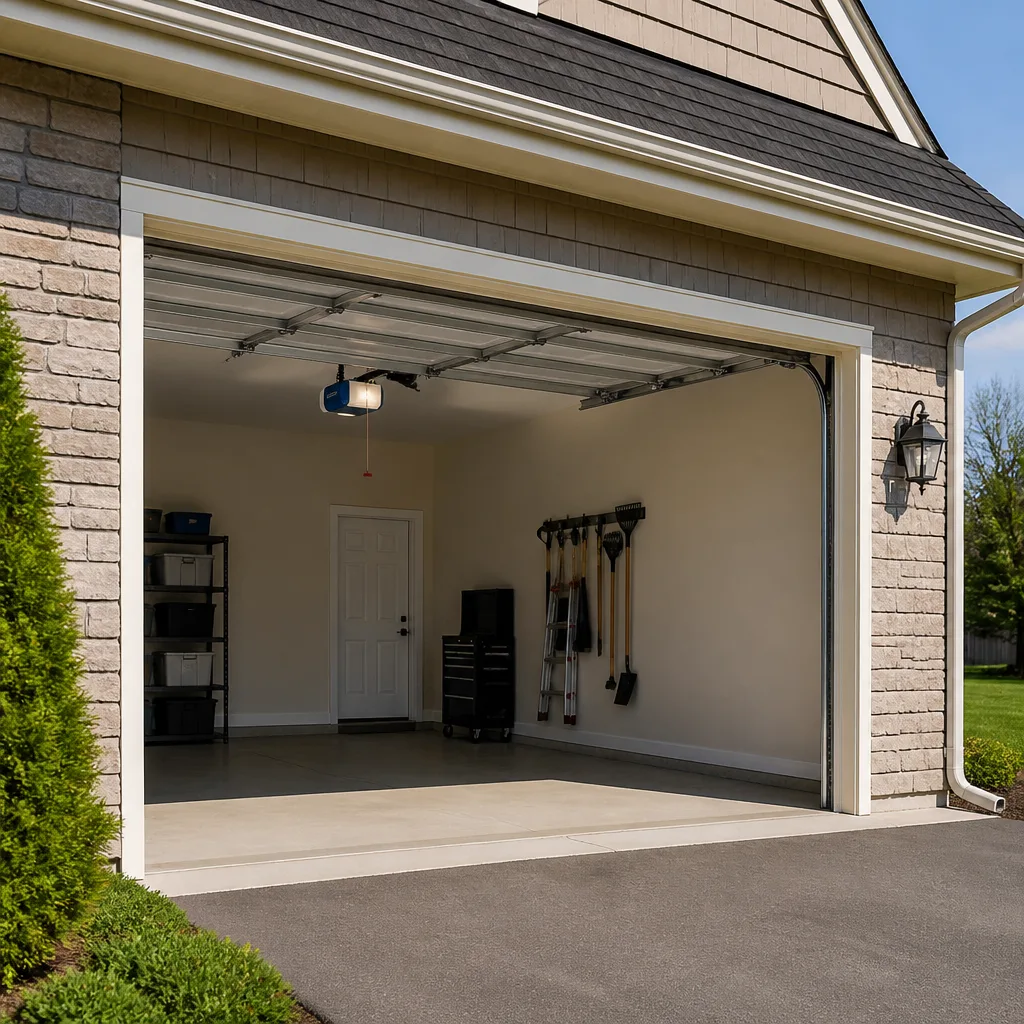 Chamberlain openers
Full 25-point door and opener safety check with every visit - springs, cables, rollers, tracks, and your LiftMaster or Chamberlain opener included
You get a price before we start. It does not change when the pro arrives.
Get your free estimateGarage Door Repair Maintenance Checklist for Gainesville Homeowners
Here’s something that surprises most homeowners: the busiest stretch for garage door calls in Gainesville isn’t spring, and it isn’t summer. It runs roughly October through December, when a door that behaved all September suddenly stops sealing tight or hesitates on the way back up. That shift lines up almost exactly with North Georgia’s temperature swings, and it’s the step every generic maintenance checklist skips. In this guide, we’ll walk through a checklist built around the way doors actually fail in Gainesville, ranked by how often we see each problem, with the specific things you can check yourself and the ones better left to a technician.
Styles & brands we work with
- Raised-panel steel
- Carriage house
- Modern flush
- Full-view glass
- LiftMaster openers
- Chamberlain openers
Quick Answer
The most important garage door maintenance in Gainesville is seasonal, not annual: lubricate moving parts before each big temperature swing, inspect torsion springs and weatherstripping for rust and debris, and test the safety reverse and balance every few months. Most of what fails in North Georgia comes down to temperature swing wear, summer humidity on springs, and pollen-season debris in the tracks. Handle those three and you prevent the majority of breakdown calls.
Table of Contents
- Why a Local Climate Checklist Beats a Generic One
- The Gainesville Maintenance Sequence, Ranked by Failure Frequency
- Choosing the Right Lubricant for Gainesville’s Humidity and Cold
- Inspecting Torsion Springs for the Rust Pattern That Precedes a Snap
- Weatherstripping, Pollen Season, and Debris Load
- Testing Balance, Tension, and Safety Reverse Without Tools
- Opener and Smart-Home Checks
- Common Mistakes to Avoid
- When to Call a Professional
- Frequently Asked Questions
Why a Local Climate Checklist Beats a Generic One
A checklist written for a mild, steady climate doesn’t match what happens to a garage door in Gainesville. Our seasons move fast and hard. A warm afternoon in October can drop thirty degrees by the next morning, and the door system feels every bit of it. Metal expands and contracts, springs carry and release tension differently, and seals that fit snug in the heat pull away when the cold settles in. A generic “check in spring and fall” plan misses the tight windows when things actually go wrong here.
The second reason is humidity. Gainesville summers run muggy, and that moisture doesn’t just sit in the air. It works its way onto every unpainted metal surface in the garage, and the springs are hit hardest because they’re under constant load. A spring that’s slowly rusting is a spring that’s slowly weakening, and the failure, when it comes, is sudden and loud.
Add the pollen and debris load from North Georgia’s tree cover and you get a door system that’s fighting three things at once: temperature swings, moisture, and grit in the moving parts. A maintenance plan built for Gainesville addresses all three in the right order. That’s the whole point of sequencing this checklist by failure frequency rather than by the calendar.
The Gainesville Maintenance Sequence, Ranked by Failure Frequency
If you only have an hour, do these tasks in this order. It’s ranked by how often each problem actually generates a service call in Gainesville, from most common to least, so you’re spending your time where the risk lives.
- Lubricate the door’s moving metal parts (before every major temperature swing). Hinges, rollers, the torsion tube bearings, and the track where rollers ride. This is number one because dry metal plus temperature expansion is the most common root cause of a door that suddenly gets noisy or starts binding. Two sessions a year, timed to the fall and spring swings, catch most of the trouble.
- Visual spring inspection. Look for rust, uneven gaps in the coils, or gaps that have widened. More on the exact pattern later.
- Weatherstripping and bottom seal inspection. The bottom seal cracks in the cold and drags in the heat. Check it for splits, brittleness, and gaps that let daylight through.
- Balance test. Disconnect the door from the opener and lift it halfway. It should hold roughly where you leave it. If it drops or needs a hard push, that’s a sign of a tension problem.
- Safety reverse test. Put a small object in the door’s path and close it. The door should reverse on contact. This is the most important safety check you can do yourself.
- Opener and remote check. Test the wall switch, the remotes, and the safety sensors at the door base. Clear dust and cobwebs off the sensor lenses; pollen coats them fast here.
- Track and hardware tightening. Give the track brackets and hinges a look for loose bolts. A rattle that gets ignored turns into a misaligned door.
Work down this list a couple of times a year, and you’ll hit the failures that actually happen here instead of the ones on a national template. When something is beyond a check and needs a real repair, our garage door repair service covers the full system, from springs to panels to tracks.
Choosing the Right Lubricant for Gainesville’s Humidity and Cold
Standard WD-40 is the wrong call for a garage door, and it’s the mistake we see most. It’s a light solvent-based spray, not a long-term lubricant. It thins out fast, attracts dust, and leaves the metal drier than before once it evaporates. In a humid climate that dust-and-moisture combo is worse than no lubricant at all.
What you want is a product that clings, doesn’t wash away in humid air, and stays soft when the cold hits. White lithium grease in a spray can is a solid general choice for hinges and the torsion tube. A silicone-based lubricant works well on the rollers and the tracks because it doesn’t collect grit. For the torsion spring itself, a purpose-made spring lubricant or a light coat of white lithium helps slow the rust. Avoid anything that goes sticky or waxy in the heat; that grabs pollen and turns into a grinding paste.
The humidity-versus-cold challenge is real in Gainesville. A lubricant that feels fine in July can go stiff or tacky by January. Silicone and lithium products hold up better across that range than oil-based sprays. Apply a thin coat, wipe off the excess, and reapply before the big seasonal swings. Greasing the tracks themselves is a common error; most manufacturers call for a light silicone treatment, not heavy grease, because grease traps debris and can actually make the rollers skid.
- Use: white lithium spray on hinges and the torsion tube, silicone spray on rollers and a light silicone film on the track.
- Avoid: standard WD-40, heavy axle grease, and anything marketed as a “penetrating oil” for ongoing lubrication.
- Frequency: before the fall swing and before the spring swing, at minimum.
Inspecting Torsion Springs for the Rust Pattern That Precedes a Snap
A torsion spring rarely fails without warning. In Gainesville’s humid summers, it develops a rust pattern first, and learning to read that pattern is the closest thing you have to a countdown clock. The coils are wound tight under enormous tension, and moisture settles into the tiny gaps between them. Rust starts there, then works into the body of the spring.
Here’s what to look at, without touching the spring itself. Watch for a thin orange-brown film along the coil, especially on the underside where moisture collects. Look for gaps between coils that have widened compared to the rest of the spring, or a section that looks visibly stretched. A spring that’s lost tension often shows a small sag or an uneven wind. Any of these, especially combined with a door that’s gotten harder to lift or noisier, points to a spring on its way out.
This matters because springs are the most dangerous component in the entire system. They store enough energy to cause serious injury, and the repair involves controlled release and re-tensioning under load. We don’t recommend homeowners try to replace or adjust them, and we won’t walk you through it here. The safe play is to spot the warning signs and get a trained technician out before it snaps. Spring repair is a dedicated specialty for us, not a side job, and it’s a big part of why our Garage Door Repair Gainesville Pros team gets called when a door dies without warning. Our technicians have up to 13 years of experience reading exactly these failure patterns.
Weatherstripping, Pollen Season, and Debris Load
The bottom seal and side weatherstripping are the parts of your garage door working hardest against Gainesville’s conditions. The bottom seal takes the brunt of temperature change. It goes brittle in a cold snap and soft and sticky in the summer heat, and either way it starts to crack. Once it cracks, you get daylight gaps, drafts, and a door that doesn’t seal the garage from the outside air. Run a hand along the bottom seal and look for splits, and check the sides for gaps where the door meets the frame.
Pollen season is a maintenance event in its own right here. North Georgia’s tree pollen coats the tracks, the rollers, and especially the safety sensor lenses at the base of the door. Grit in the track acts like sandpaper on the rollers, and a dusty sensor lens is the most common reason a door refuses to close for no obvious reason. Clearing the tracks with a dry cloth and wiping the sensor lenses a few times during pollen season prevents a lot of nuisance breakdowns.
Debris load runs beyond pollen. Leaves, grit, and the occasional small twig find their way into the track and jam the rollers. Keep the track channels clear, and check the area where the door meets the floor for anything that could stop it sealing. A clean track and a soft, intact seal handle the debris and temperature problems together.
Testing Balance, Tension, and Safety Reverse Without Tools
You can catch a lot of problems with your hands and your eyes, no tools required. Here are the checks a homeowner can do safely. Do these with the opener disconnected and the door in the closed position before you start.
- Disconnect the opener. Pull the manual release cord so the door moves by hand only.
- Lift the door halfway and let go. A properly balanced door stays roughly where you leave it. If it drops quickly, the springs are losing tension. If it’s very hard to lift, something is binding or a spring is weak. Don’t force it.
- Lower it slowly and feel for tight spots. Roughness or a grind noise means the rollers or track need attention.
- Reconnect and test the safety reverse. Lay a small object (a roll of tape works) in the door’s path and close it with the opener. The door should reverse on contact. If it doesn’t, stop using the opener and get it serviced; this is a safety issue, not a nuisance.
- Check the photo-eye sensors. Wave an object in front of the sensors at the base of the door. The door should refuse to close. If both lights aren’t steady, the sensors are misaligned or dirty.
These five checks take ten minutes and tell you most of what a technician would flag on arrival. Any failure on the balance or reverse test is your cue to stop using the door and call it in. If you’re seeing doors in your Gainesville neighborhood with the same sticking or sealing issues, it’s usually the same seasonal cause.
Opener and Smart-Home Checks
The motor and opener unit need their own attention, separate from the door itself. We service equipment from LiftMaster, Chamberlain, Genie, Clopay, Amarr, Wayne Dalton, Craftsman, and Raynor, and the maintenance routine is similar across them. Start with the wall switch and the remotes: do they respond reliably, or do you have to press twice? Failing remotes often mean a weak battery or a unit that’s aged out. Test the safety sensors as above and clean the lenses.
For connected openers like LiftMaster MyQ or Genie Aladdin Connect, a periodic check of the app and firmware keeps the door working the way it should. Pollen and dust affect the sensor lenses on these too, and a dirty lens is the top cause of “my app says the door is stuck.” If the opener is over its useful life, a noisy or slow unit that struggles on the way up, our garage door opener repair service covers the brands that dominate both older mechanical units and modern connected systems. We work on Genie and Wayne Dalton units just as readily as on Chamberlain and LiftMaster systems.
One habit worth building: watch for the opener’s behavior around the temperature swings. A motor that’s fine in summer but groans on cold mornings is telling you the door’s balance has shifted and the opener is compensating. Fixing the door is usually cheaper than replacing the motor.
Common Mistakes to Avoid
- Using WD-40 as a lubricant. It’s a solvent, not a long-term grease. It thins out fast and attracts dust, which in Gainesville’s humid air turns into grit on the moving parts. Use white lithium or silicone instead.
- Greasing the entire track. Track grease traps pollen and debris and can make rollers skid. Most manufacturers want a light silicone film, not heavy grease. This is a classic over-maintenance error.
- Ignoring the spring until it snaps. The rust pattern gives you weeks of warning if you look for it. A visual check each season is the whole game, and skipping it is how a small repair becomes a Sunday-night emergency.
- Pushing a door that won’t move. If the door sticks, drops, or binds, stop. Forcing it can bend the track, damage the panels, or release spring tension in a dangerous way.
- Overlooking the pollen on the sensors. A dirty sensor lens is the most common reason a door in Gainesville won’t close. Wipe the lenses during pollen season and save yourself a service call.
- Trying to adjust or replace springs yourself. This is the most dangerous job in the system and the one most likely to cause injury. Spot the warning signs, then get a trained technician out.
- Treating the door and the opener as separate problems. About half the “opener failures” we diagnose are really a door that’s out of balance. Check the door before you replace a motor.
When to Call a Professional
Some jobs belong on your checklist. Others need a trained technician, and knowing the difference keeps you safe. Call us when a spring shows the rust pattern or a gap in the coils, when the door is hard to lift or drops on the balance test, when it won’t reverse on contact, or when it’s slipped off its track. Those are the cases where the danger is real and the fix takes the right tools and experience. If a door won’t close and your car is stuck inside, that’s when our emergency service is there to respond fast. Garage Door Repair Gainesville Pros offers free estimates in Gainesville, and we quote and agree on the price before any work starts. Call (833) 968-8548 and we’ll get a technician out to look at it, or point you to a repair that gets the door working again.
When it’s time to replace rather than repair, our garage door installation service handles the full job with the same thoroughness. We also work across the brands North Georgia homeowners actually own, from Clopay and Amarr doors to LiftMaster and Chamberlain openers, so you’re not stuck calling a manufacturer’s rep. One call covers the diagnosis and the fix.
Frequently Asked Questions
Lubricate the moving metal parts before each major temperature swing, which in Gainesville means roughly twice a year, timed to the fall and spring changes. Spring humidity also rewards a mid-summer touch-up on the torsion tube and hinges. A thin coat of white lithium or silicone, wiped clean of excess, keeps the parts moving smoothly through the seasonal shifts.
It’s the temperature swing. A door that seals and reverses fine in warm weather can bind or lose its seal when the cold arrives, because the metal contracts and the seals stiffen. That’s why October through December is our busiest stretch for sealing and reverse issues in Gainesville. Lubricating and checking the balance before the cold hits prevents most of it.
Look for an orange-brown film along the coils, especially on the underside, plus any gaps between coils that have widened or look uneven. That’s moisture working into the spring under load. Those signs point to a spring nearing failure, and a trained technician should inspect it before it snaps. Don’t try to adjust or replace the spring yourself; it’s the most dangerous part of the system.
Yes, the safety reverse and balance tests are safe for a homeowner to do. Lay an object in the door’s path and close it; the door should reverse on contact. Disconnect the opener, lift the door halfway, and it should hold roughly where you leave it. If either test fails, stop using the door and call a technician.
We service eight major brands, including LiftMaster, Chamberlain, Genie, Clopay, Amarr, Wayne Dalton, Craftsman, and Raynor, so most Gainesville homes are covered no matter what’s on the door. We diagnose the actual problem rather than pushing a brand we happen to carry. If the opener is the issue, our team works on both older mechanical units and modern connected systems.
The written estimate you get is the price, and it’s agreed before any work starts. Free estimates mean you know the number first. Call (833) 968-8548 for an exact quote on your door.
The Bottom Line
A maintenance checklist built for Gainesville has to account for what actually fails here, and that means temperature swings, summer humidity on the springs, and pollen-season debris in the tracks. Handle those three in the right sequence and you’ll prevent the majority of breakdowns. Lubricate before the swings, watch the springs for rust, keep the seals and tracks clean, and run the balance and safety tests a few times a year. The jobs that belong to a professional, mainly springs, balance, and off-track repairs, are the ones where a trained eye keeps you safe. When you need help, our team is a call away.
Ready to get ahead of the next season? Call (833) 968-8548 for a free estimate and we’ll take a look at your door, spot the problems before they turn into a breakdown, and give you a written price up front.
Written by the team at Garage Door Repair Gainesville Pros.
See the difference
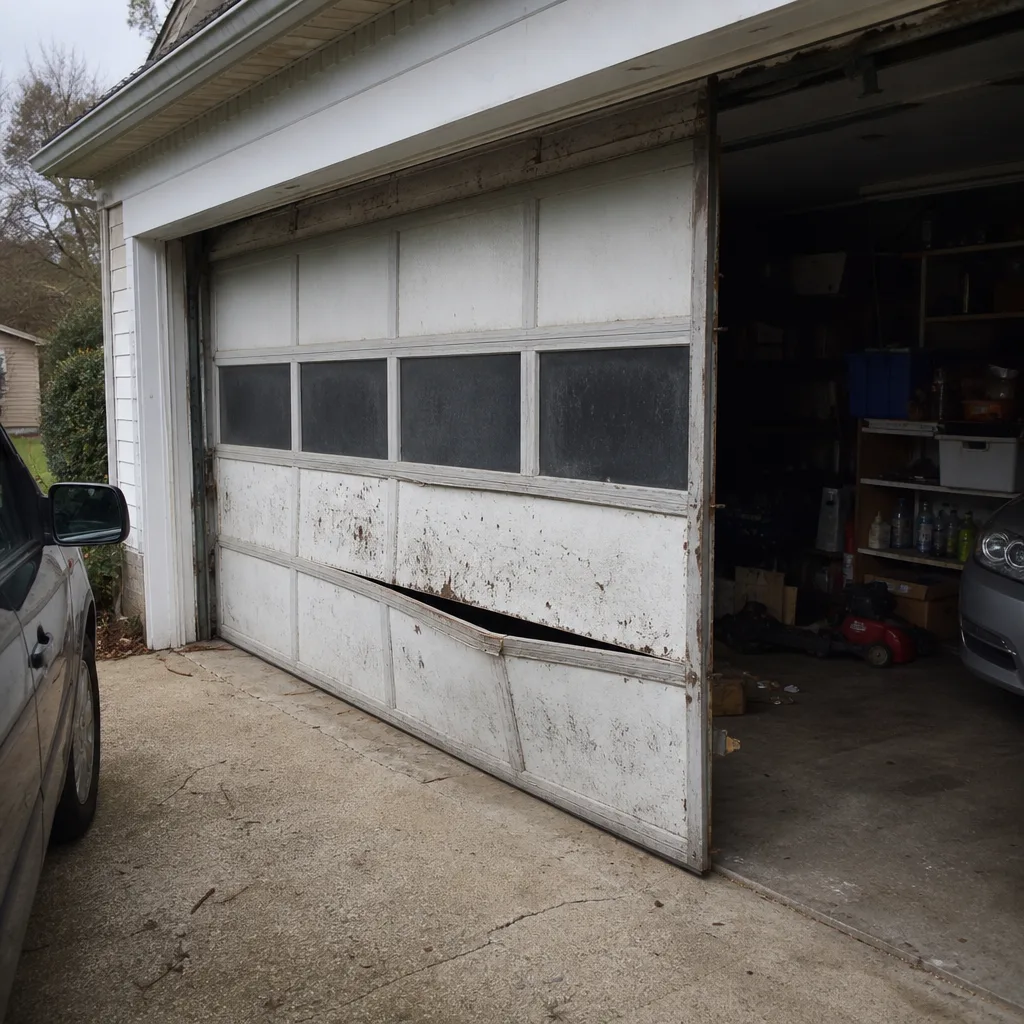 Before
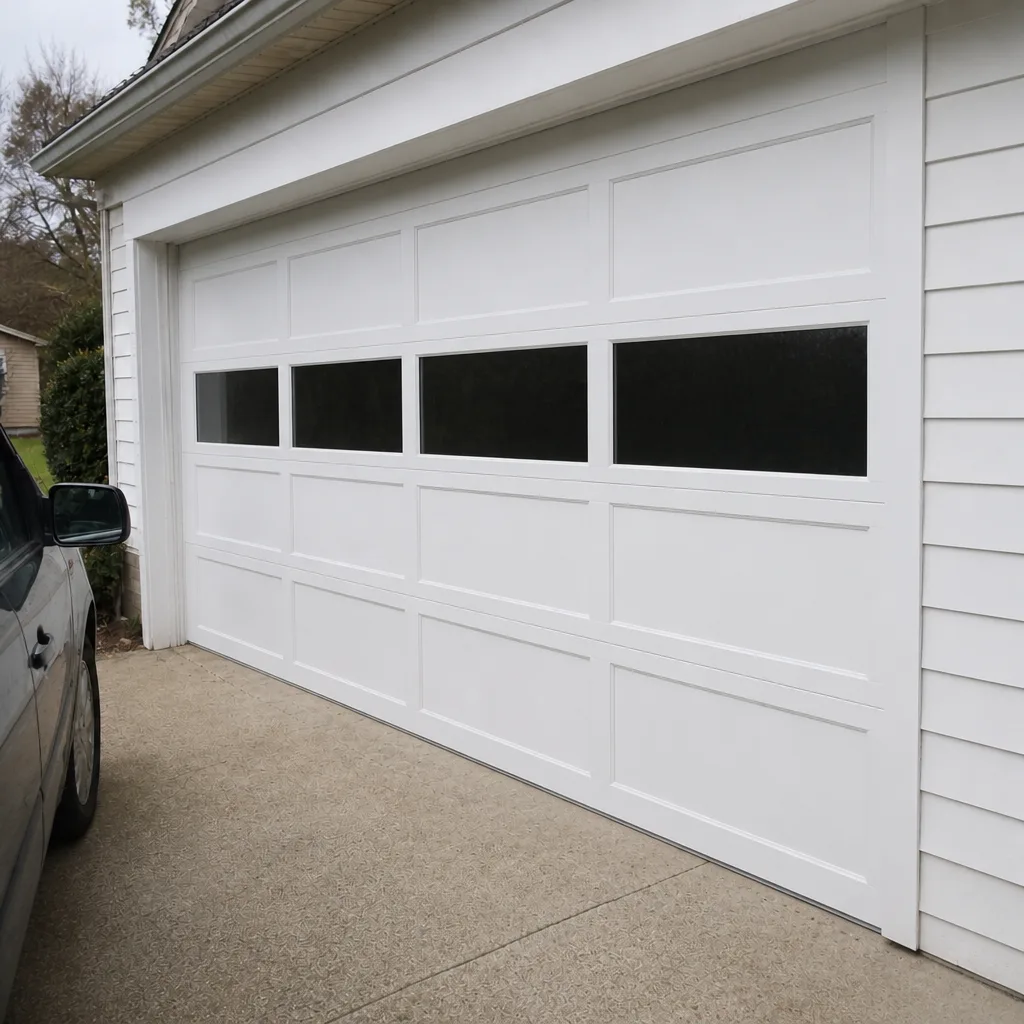 After
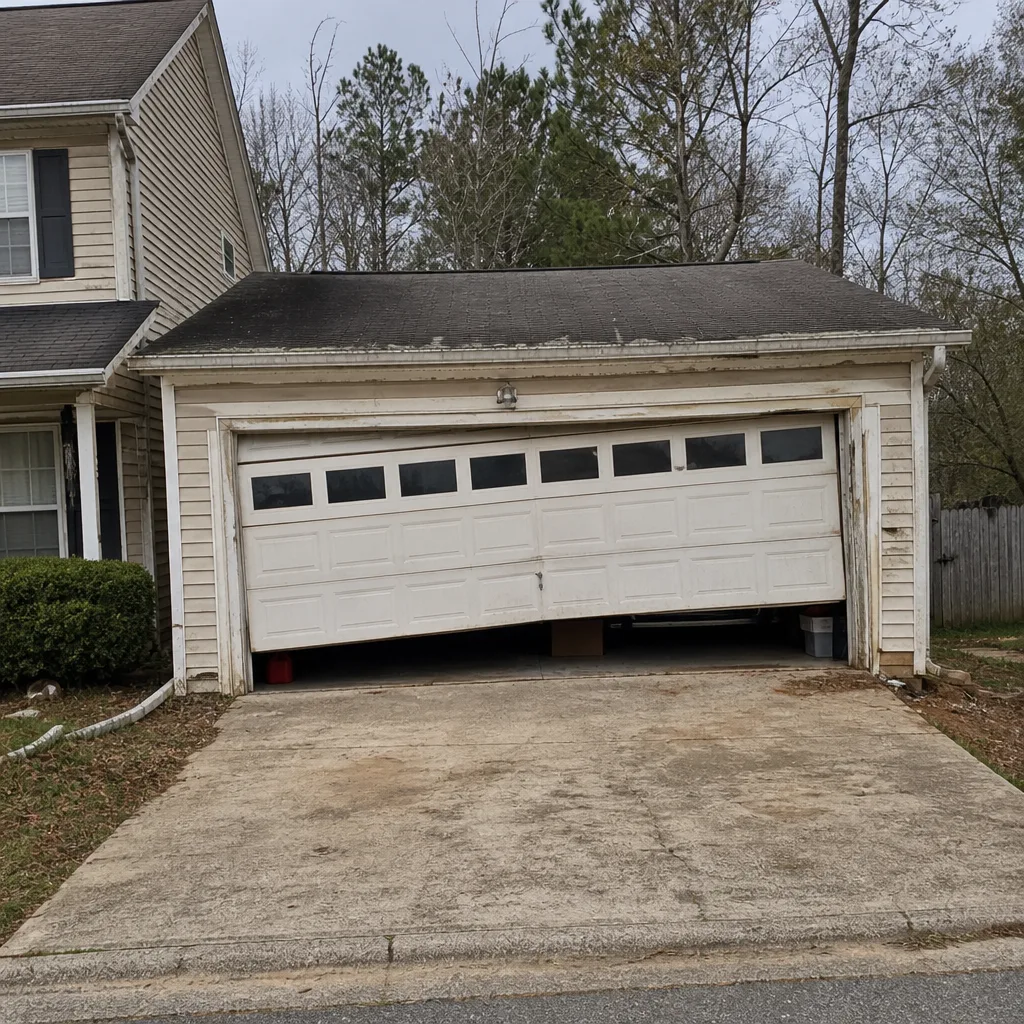 Before
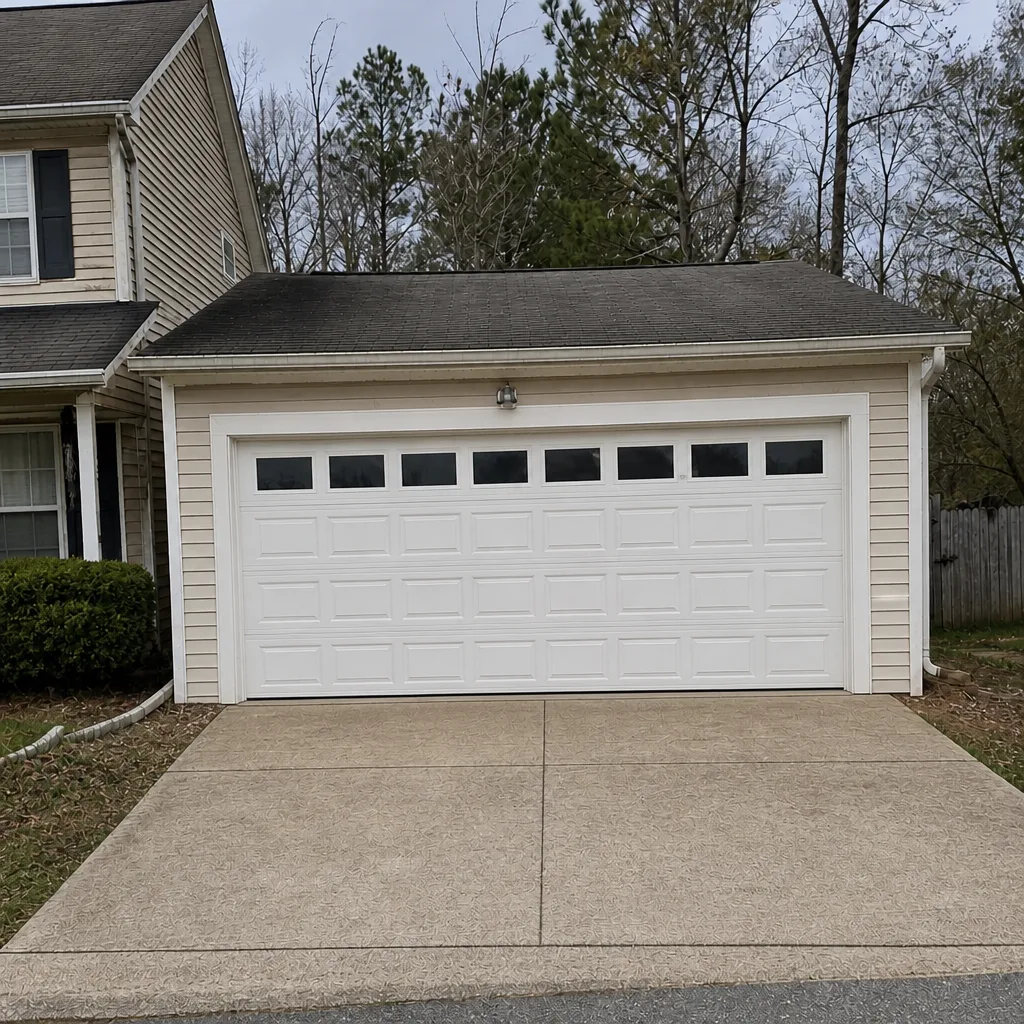 After
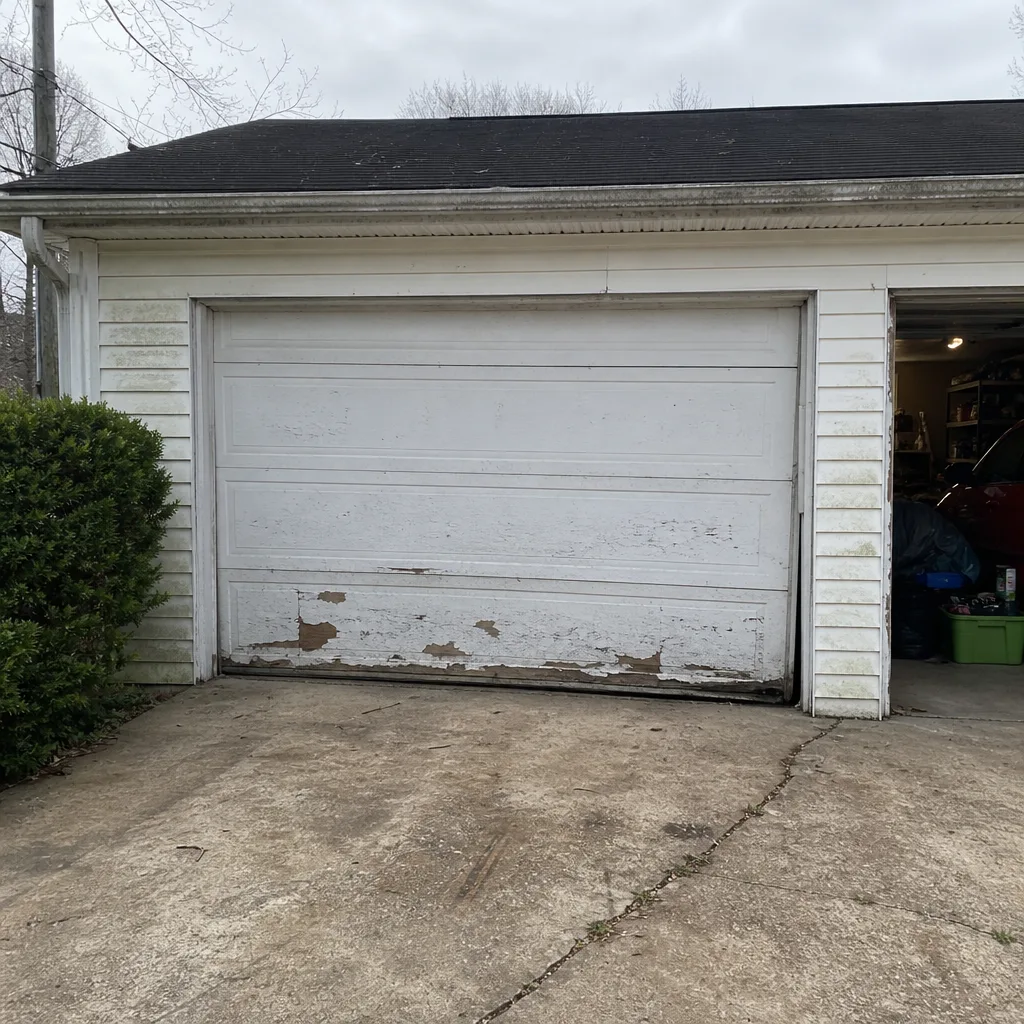 Before
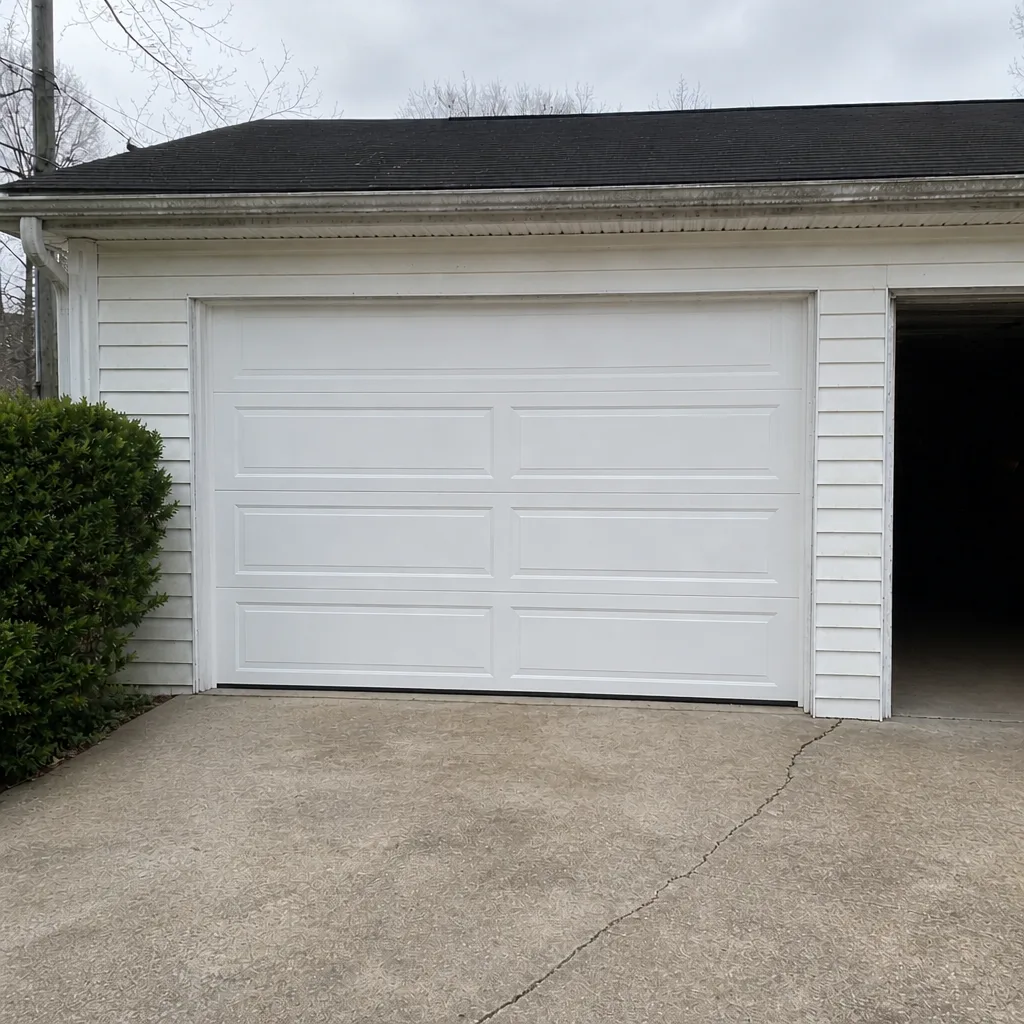 After