Last updated November 23, 2026
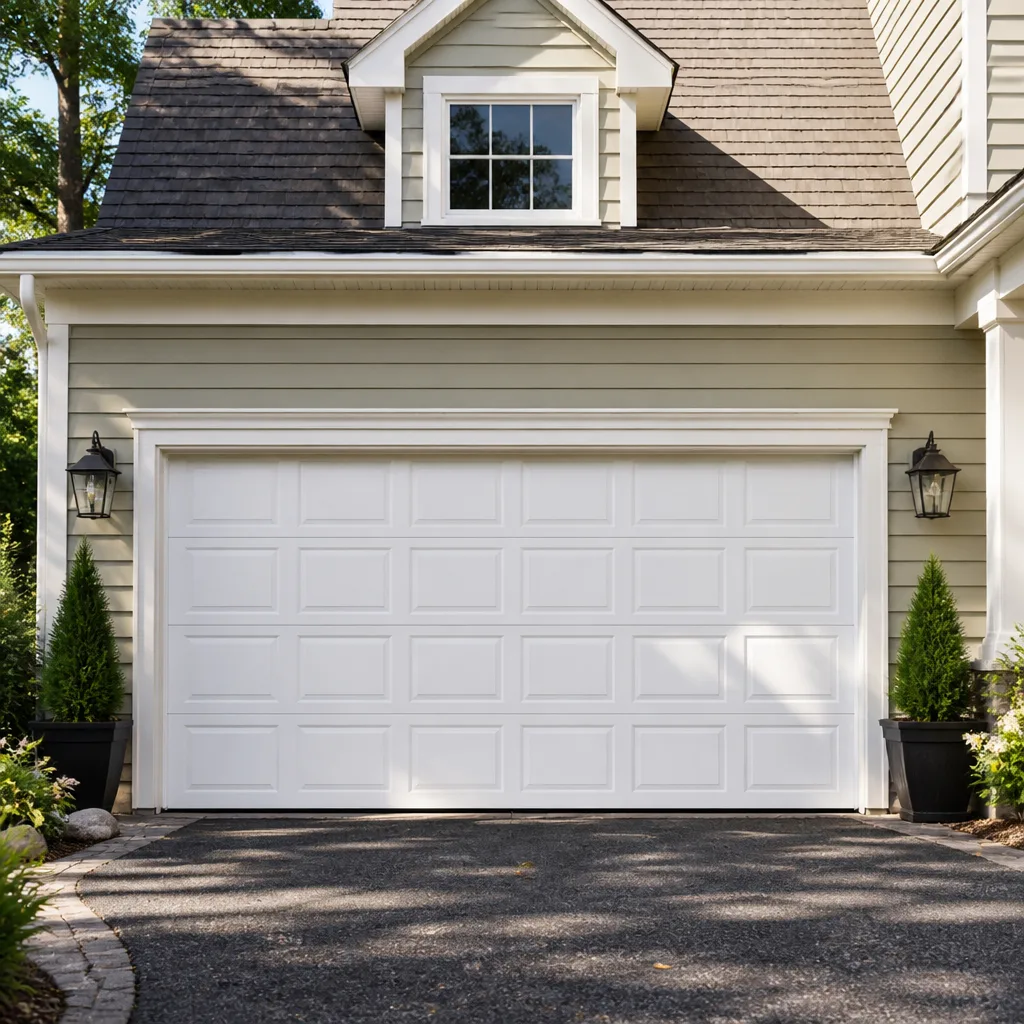 Raised-panel steel
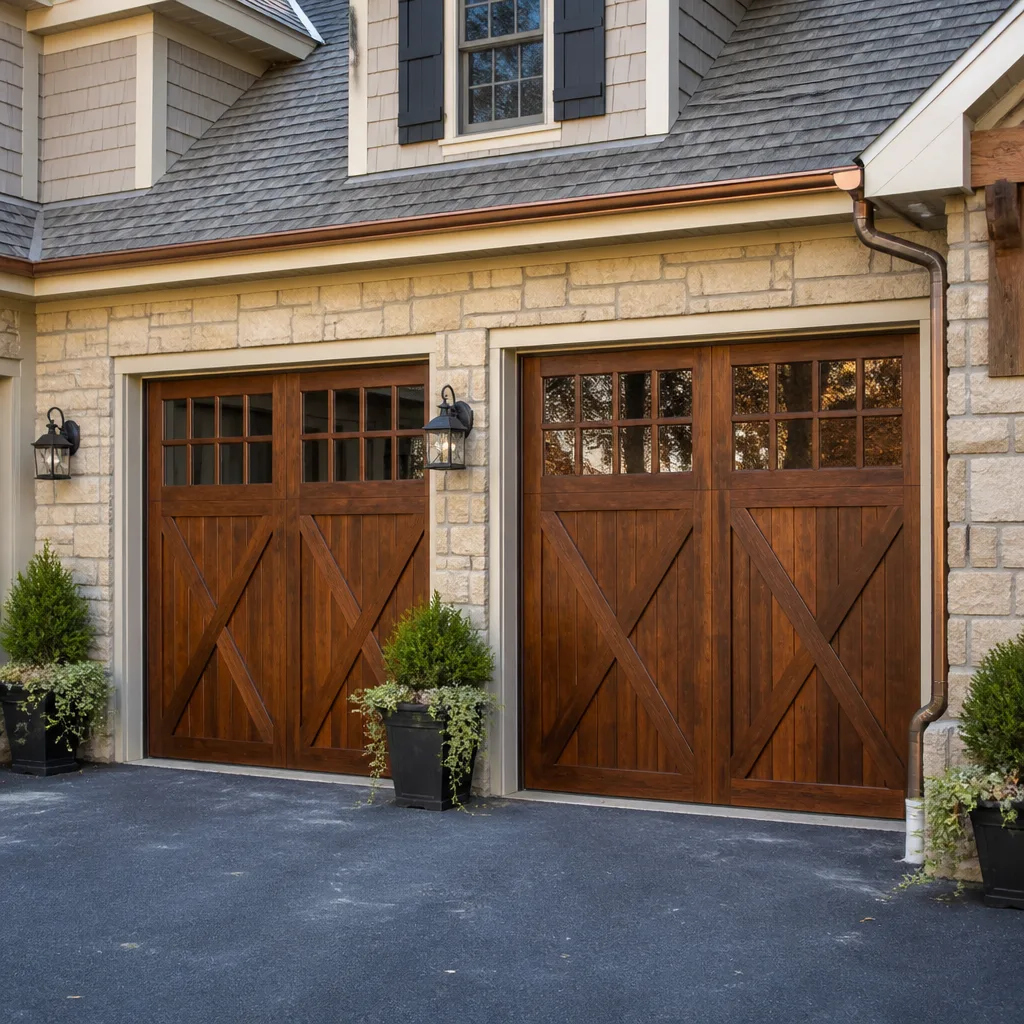 Carriage house
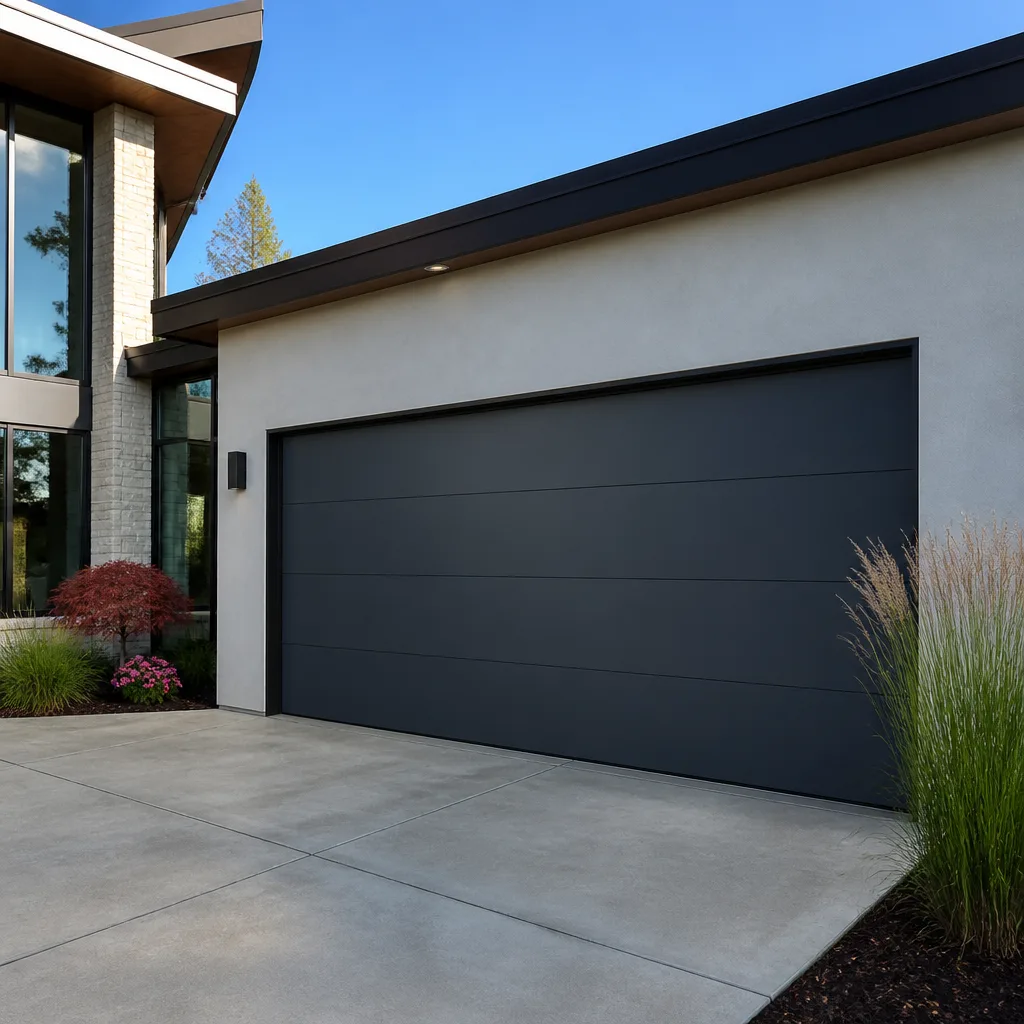 Modern flush
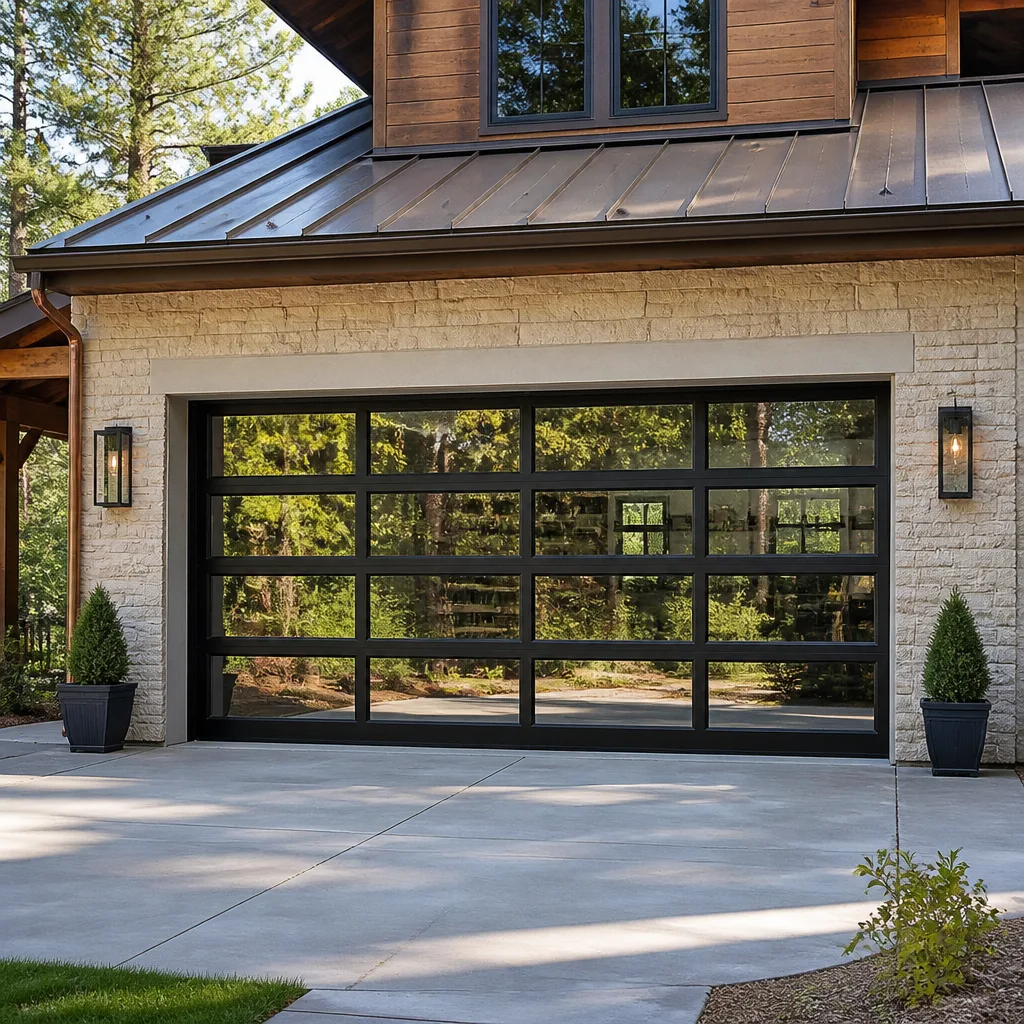 Full-view glass
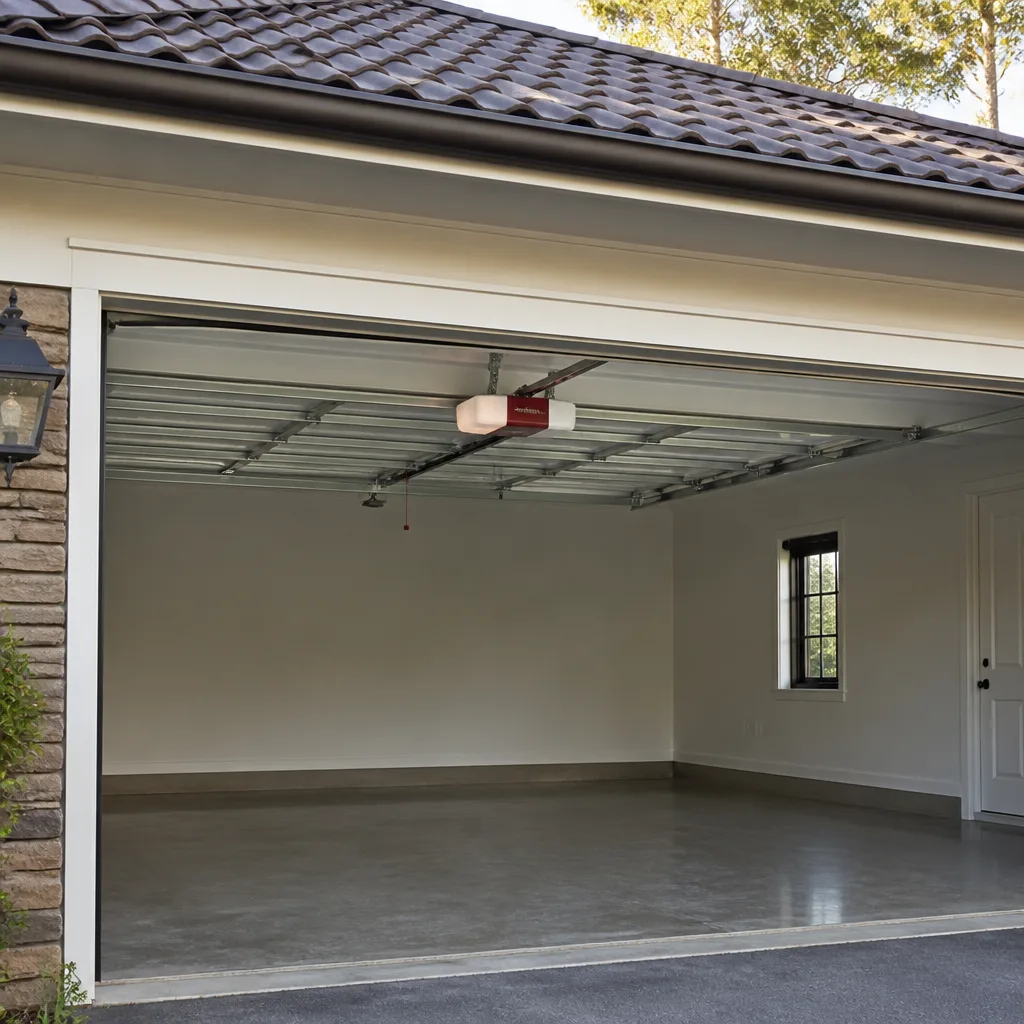 LiftMaster openers
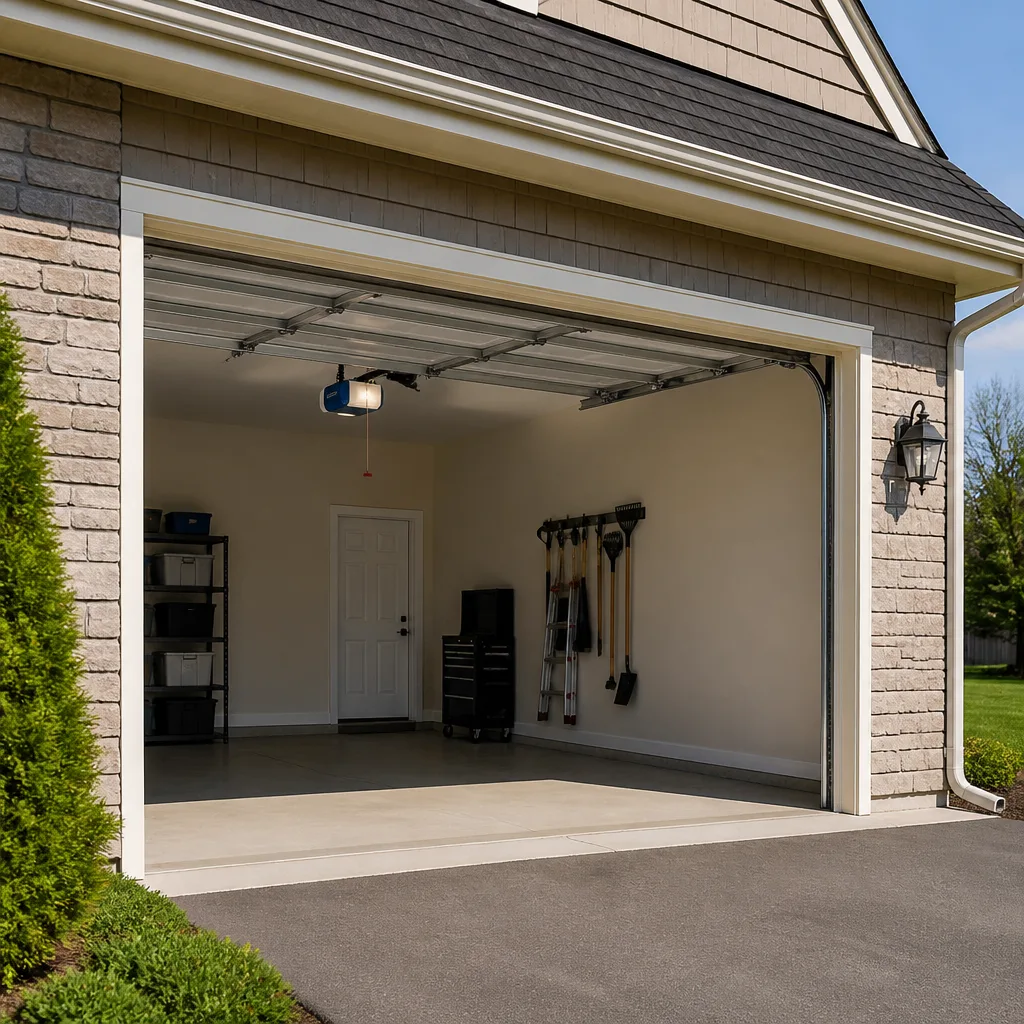 Chamberlain openers
Full 25-point door and opener safety check with every visit - springs, cables, rollers, tracks, and your LiftMaster or Chamberlain opener included
You get a price before we start. It does not change when the pro arrives.
Get your free estimateGarage Door Permits, Codes & Inspections in Gainesville, GA: What You Need to Know
Most homeowners in Gainesville assume a garage door is a fixture, not a building component. That assumption is where trouble starts. A replaced door can change how a garage separates from the rooms above and beside it, and in Hall County that separation is regulated. We’ve watched sellers learn this at the worst possible moment, when a buyer’s inspector or a closing attorney asks for a permit record that doesn’t exist. This guide walks through the Hall County thresholds, the Georgia residential code rules that apply to garage doors, when an opener job needs an electrical permit, what an inspector actually looks at, and how unpermitted work surfaces during a sale. Read it before you sign an estimate.
Quick Answer
In Gainesville and the rest of Hall County, a straight cosmetic swap (same size door, same opening, no structural change) usually doesn’t need a building permit, but replacing a fire-rated garage-to-house assembly or altering the opening structure typically does. Georgia’s adopted residential code sets the fire-separation requirements, and a plug-in opener is generally exempt from an electrical permit while new hardwired circuits are not. Always confirm the current rule with the Hall County building department before work starts, because the final call rests with them, not with a contractor’s opinion.
Styles & brands we work with
- Raised-panel steel
- Carriage house
- Modern flush
- Full-view glass
- LiftMaster openers
- Chamberlain openers
Table of Contents
- The Three Hall County Thresholds: Cosmetic, Structural, and Fire-Rated
- How the IRC and Georgia’s Adopted Code Govern Garage Fire Separation
- Does an Opener Installation Need an Electrical Permit in Gainesville?
- What Happens at a Hall County Garage Door Inspection
- How Unpermitted Garage Work Surfaces When You Sell in Gainesville
- Why North Georgia Weather and Hall County Housing Shape These Rules
- A Step-by-Step Path Through a Permitted Garage Door Project
The Three Hall County Thresholds: Cosmetic, Structural, and Fire-Rated
Hall County doesn’t treat every garage door job the same, and that’s the single fact most homeowners miss. There are three loose categories, and which one your project falls into decides whether you need a permit and an inspection. The categories aren’t a substitute for the county’s own determination, but they give you the right questions to ask.
1. Cosmetic replacement. You’re putting in a door of the same size in the same opening, keeping the same track configuration and the same header, with no change to the wall assembly. This is the most common job we handle in Gainesville, and it’s usually treated as a repair or a like-for-like swap rather than a permitted structural change. Still worth a phone call to the building department to confirm.
2. Structural change. This covers anything that touches the opening itself: widening or raising the opening, replacing or modifying the header, moving the tracks to a different mounting condition, or changing how the door carries load. A structural change almost always draws a permit because it’s a change to the building’s framing.
3. Fire-rated assembly replacement. This is the category that catches people. The wall and door between an attached garage and the living space is treated as a fire-separation assembly. If your replacement changes the door’s rating or the assembly’s integrity, the county may require a permit so the work can be inspected for the separation.
- Cosmetic, same size, same opening: usually no building permit, confirm with the county.
- Structural change to header or opening: permit and inspection expected.
- Fire-rated door or wall assembly change: permit and inspection expected.
- New opener on an existing circuit: typically no electrical permit.
- New hardwired circuit for an opener: electrical permit expected.
When in doubt, call the Hall County building department and describe the job in plain terms. “I’m replacing a 16-foot door with a 16-foot door in the same opening” gets a different answer than “I want to raise the opening four inches.” Getting that distinction right at the start is far cheaper than fixing it later.
How the IRC and Georgia’s Adopted Code Govern Garage Fire Separation
Georgia builds on the International Residential Code (IRC), which treats the wall and door between an attached garage and a dwelling as a fire-separation assembly. The purpose is simple: a vehicle fire, a stored fuel fire, or a hot work spark in the garage shouldn’t travel straight into the house through an unprotected opening. That’s why the door between a garage and a living space is held to a fire rating while an exterior overhead door on the front of the garage usually isn’t.
Here’s the part homeowners conflate. The overhead door you drive through and the door you walk through are two different components with two different roles in the code. The pedestrian door between the garage and the house carries the fire-separation duty. The overhead door is a vehicle access opening. Replacing the overhead door in a like-for-like swap generally doesn’t disturb the fire separation. Replacing or altering the wall assembly around it can.
We see this confusion constantly in Gainesville, especially in older homes where a previous owner finished or reworked the garage interior. A wall was added, insulation went in, drywall went up over the separation, and nobody documented whether the assembly still performs. When you replace the door, that assembly becomes part of the conversation again.
Two practical points follow from Georgia’s adopted code:
- Know which door you’re replacing. Overhead vehicle door and pedestrian fire door are different scopes with different code duties.
- Don’t assume the old assembly was compliant. A door installed decades ago may not match what the current adopted code expects, and a permitted replacement is where that gets resolved.
We don’t write code opinions, and the county’s inspector is the authority. For the full range of repair work that sits outside the permit question, see our garage door repair page. Just don’t let a like-for-like swap turn into an unpermitted fire-assembly change because nobody asked the question first.
Does an Opener Installation Need an Electrical Permit in Gainesville?
Most opener installations in Gainesville don’t need an electrical permit, because most modern openers plug into an existing outlet in the ceiling. The permit question turns on whether you’re creating new wiring or using wiring that’s already there. A plug-in unit replacing a plug-in unit is usually a mechanical swap. A new dedicated circuit, a new outlet run, or a hardwired connection is electrical work and typically draws a permit.
The brand matters less than the connection. We work on Chamberlain, Genie, LiftMaster, Craftsman, and the rest, and the install path is the same: check the power source first, then talk about the permit. Two scenarios:
- Existing ceiling outlet, plug-in opener: usually no electrical permit. The installer mounts the rail, hangs the unit, connects the safety sensors, and plugs it in.
- No outlet, or a hardwired legacy unit being replaced by a modern one: an electrician may need to run a circuit, and that electrical work is permitted separately.
One more thing worth saying plainly. Garage door openers in Gainesville work harder than people expect. The summer heat and humidity in Hall County stress the motor’s thermal protection, and a unit that’s undersized for a heavy door cycles into overload more often. If you’re replacing an opener anyway, this is the moment to match the unit to the door and get the wiring right, not just swap a box onto the same rail. Our garage door opener repair team can tell you which side of the permit line your job falls on when they look at the setup.
Safety caveat: anything past the outlet – the circuit, the breaker, the wiring in the wall – belongs to a licensed electrician, not a garage door technician. We’ll tell you when to call one.
What Happens at a Hall County Garage Door Inspection
A Hall County garage door inspection isn’t a mechanic’s tune-up. The inspector is checking the building component against the permitted scope and the adopted code, not grading your door’s balance or the life left in your springs. Knowing what they look at helps you avoid a failed inspection and a second trip.
- The permit and approved scope. The inspector confirms the work matches what was permitted. If you pulled a permit for a fire-rated assembly replacement and the crew installed a different door, that’s the first problem.
- Fire separation. The assembly between the garage and the living space is checked for integrity: the door, the frame, and any penetrations. Gaps, missing seals, and unsealed penetrations get flagged.
- The opening and framing. For structural permits, the header and framing get a look to confirm the opening was built to the approved plan.
- The door’s operation and safety devices. The door needs to open and close correctly, and the safety features need to be present and working. The inspector isn’t measuring spring tension, but a door that won’t operate cleanly won’t pass.
- Labeling and documentation. If the assembly needs a fire rating, the door and its label are part of the check.
The most common failure we hear about in Gainesville is a mismatch between what was permitted and what was installed, usually because a homeowner changed their mind mid-project without updating the permit. The second is a fire separation that was never compliant and got exposed by the new work.
Have the door fully operational and the paperwork on site. If the assembly has a rating label, don’t paint over it or remove it. Simple preparation saves a reinspection fee.
How Unpermitted Garage Work Surfaces When You Sell in Gainesville
Unpermitted garage work rarely stays hidden forever. In the Gainesville market it tends to surface at three points during a sale, and each one gives the buyer leverage and the seller a deadline.
- The buyer’s home inspection. An inspector who sees a newer door, new tracks, or reworked framing in a garage will ask whether a permit was pulled. A missing record gets noted.
- The permit history search. Buyers and their agents pull the county’s permit records. A door that’s clearly newer than the last recorded permit stands out.
- The title and disclosure process. Sellers disclose known unpermitted work, and lenders and title companies can flag it. A fire-separation issue is the one that gets the most attention, because it’s a life-safety item.
Here’s the part that stings. Fixing an unpermitted fire-rated assembly after the fact usually costs more than doing it right the first time, because you’re now paying to open up, correct, and inspect work that’s already been installed once. The door is the cheap part. The correction is the expensive part.
If you’re selling a Gainesville home and the garage door was replaced without a record, talk to the Hall County building department about how to get the work inspected and documented. Some situations resolve with an inspection of existing work; others need correction first. Either way, handling it before the listing goes live is far calmer than handling it at closing.
Why North Georgia Weather and Hall County Housing Shape These Rules
Hall County’s climate is part of why these rules matter here. Gainesville sits in a stretch of north Georgia with hot, humid summers and occasional strong storms, and garages in this area take a beating. Heat and humidity work on the door’s springs, cables, and the wood or steel of the opening. Storm-driven wind puts load on a door that’s rated and anchored correctly, and a door that isn’t is the one that fails. None of that is a permit issue on its own, but it’s the reason the structural and fire-separation questions deserve a real answer instead of a shrug.
The housing stock matters too. Gainesville has a mix of older homes near downtown and the lake, newer construction on the edges of the county, and plenty of homes where a previous owner finished or reworked the garage. Each of those carries a different starting point for a door project. A 1950s garage opening and a 2010s one aren’t built the same way, and the code questions differ.
Our technicians have up to 13 years of experience, and that time has been spent on exactly this kind of variation. We’ve worked on doors across eight major brands, including Clopay and Amarr, and seen how the same code question plays out differently depending on the age and construction of the home. The brand of the door is rarely the issue. The assembly and the paperwork are.
A Step-by-Step Path Through a Permitted Garage Door Project
If you’ve determined your project likely needs a permit, the path is straightforward. It just has to be walked in order.
- Describe the job to the Hall County building department. Tell them the door size, the opening, and whether the fire-rated assembly is affected. Get the answer in writing or by email if you can.
- Get a written scope and estimate. The scope should match what you described to the county. If it doesn’t, fix that before a permit is filed.
- Pull the permit. The permit holder is usually the contractor, but confirm who’s responsible before work starts.
- Do the work to the permitted scope. No mid-project changes without updating the permit.
- Schedule the inspection. Have the door operational, the paperwork on site, and the rating label visible.
- Keep the records. The permit and final inspection documentation are what protect you at resale. Keep them with your closing documents.
For a new door or a door upgrade, the order is the same, and the measurement comes before the permit. Our garage door installation process starts with a measure and a written quote so the permit application and the installed door match. That’s the whole point of the sequence.
Common Mistakes to Avoid
- Assuming a like-for-like swap can’t trigger anything. Most simple swaps don’t, but the fire-rated assembly question is the one that changes the answer. Ask before you buy the door.
- Skipping the county call because a contractor said it’s fine. The contractor may be right, but the county’s determination is what protects you at resale. Get it from them.
- Changing the door mid-project without updating the permit. This is the most common inspection failure we hear about in Gainesville, and it means a reinspection fee and a delay.
- Treating an unpermitted door as a private matter. The permit history is public. Assume a buyer’s agent will find it.
- Letting a generalist handyman take on a fire-rated assembly. The assembly is a building component with a code duty. Use a contractor who understands it. A snapped spring or a door off its tracks is its own safety issue, and it’s why Garage Door Repair Gainesville Pros treats spring work as a specialty rather than a side job.
- Pulling a permit but not keeping the paperwork. The final inspection record is the thing that answers the closing question. Keep it.
- Hiring on price alone and skipping the scope. The cheapest quote that doesn’t mention fire separation or permits isn’t cheaper. It’s just unfinished.
See the difference
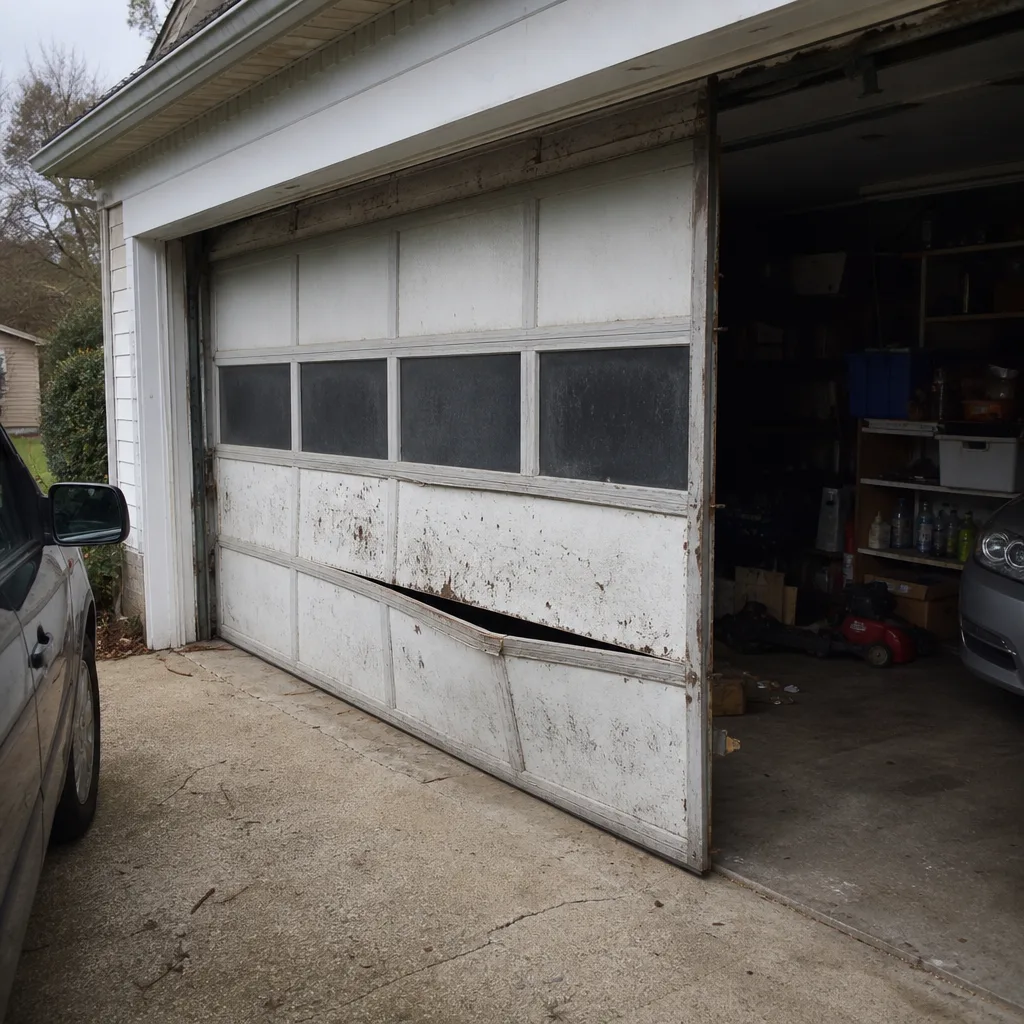 Before
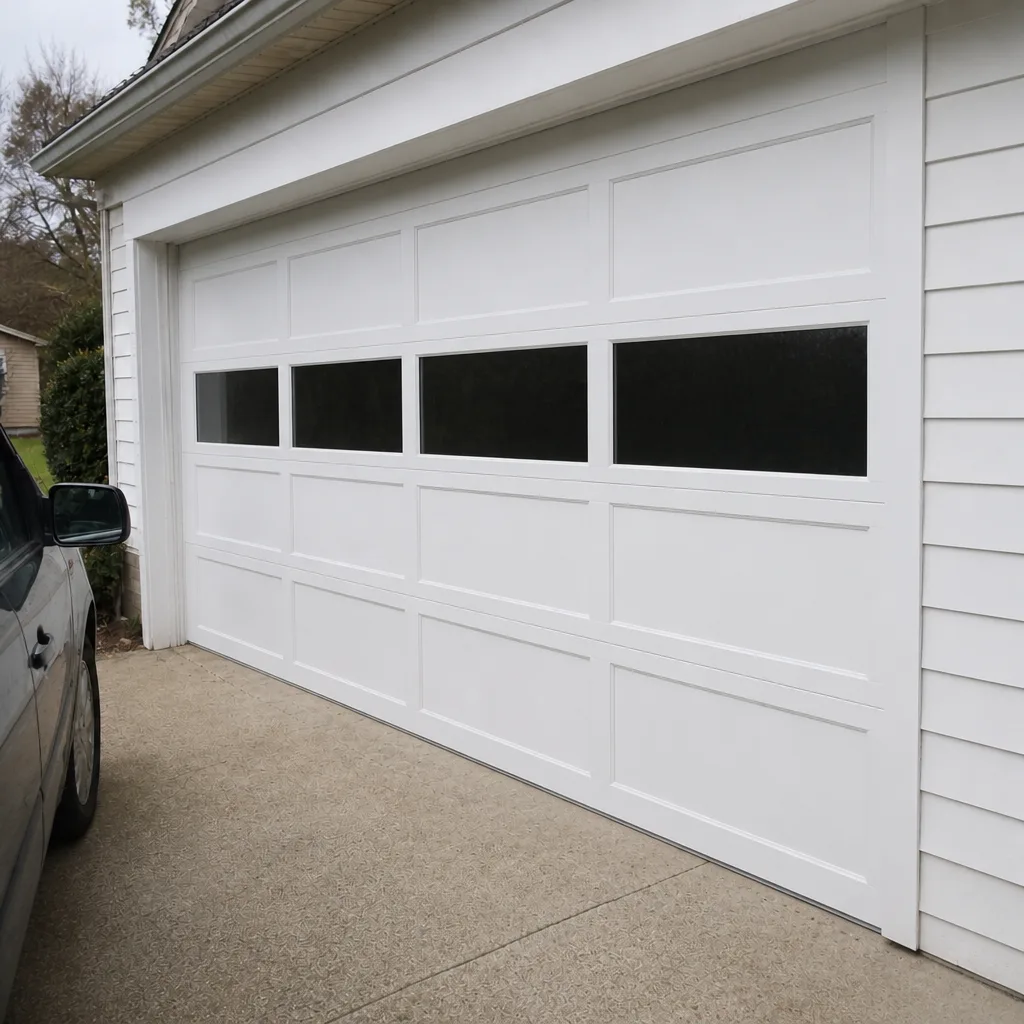 After
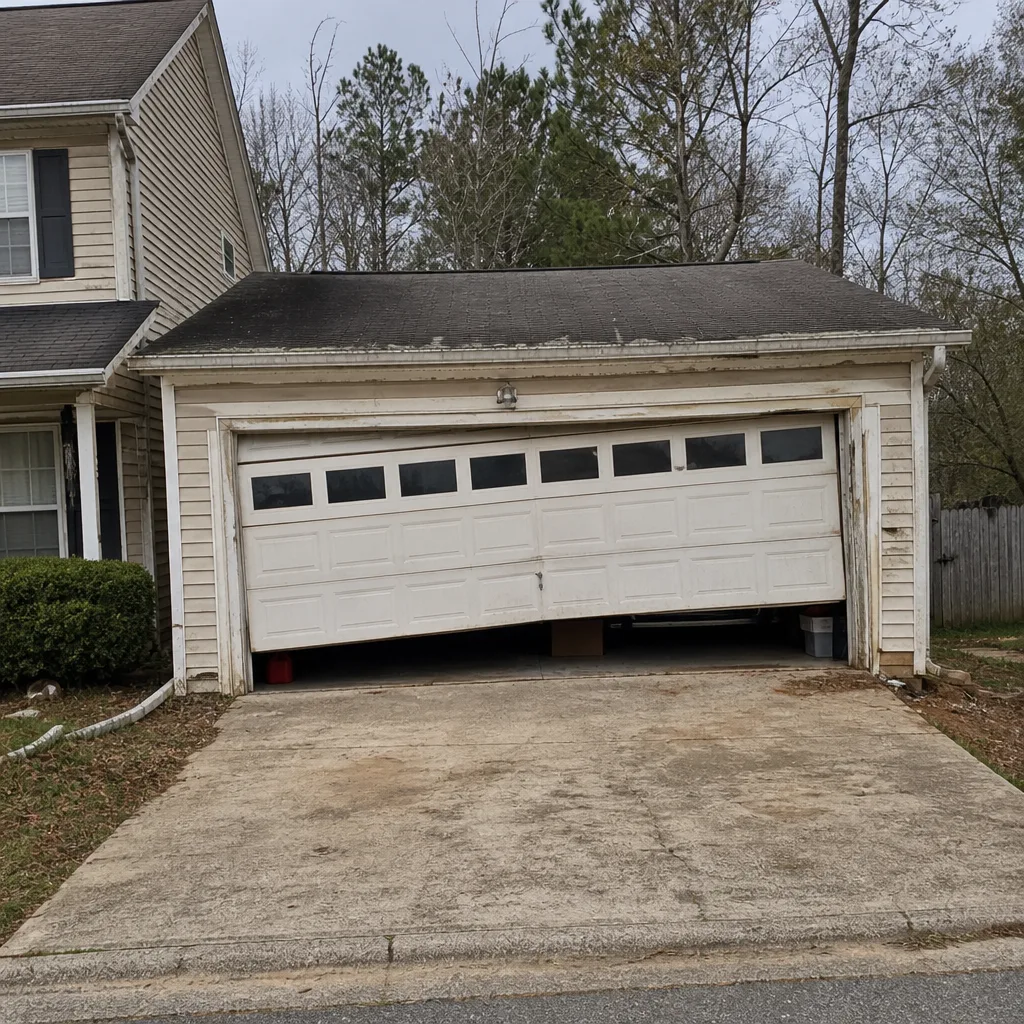 Before
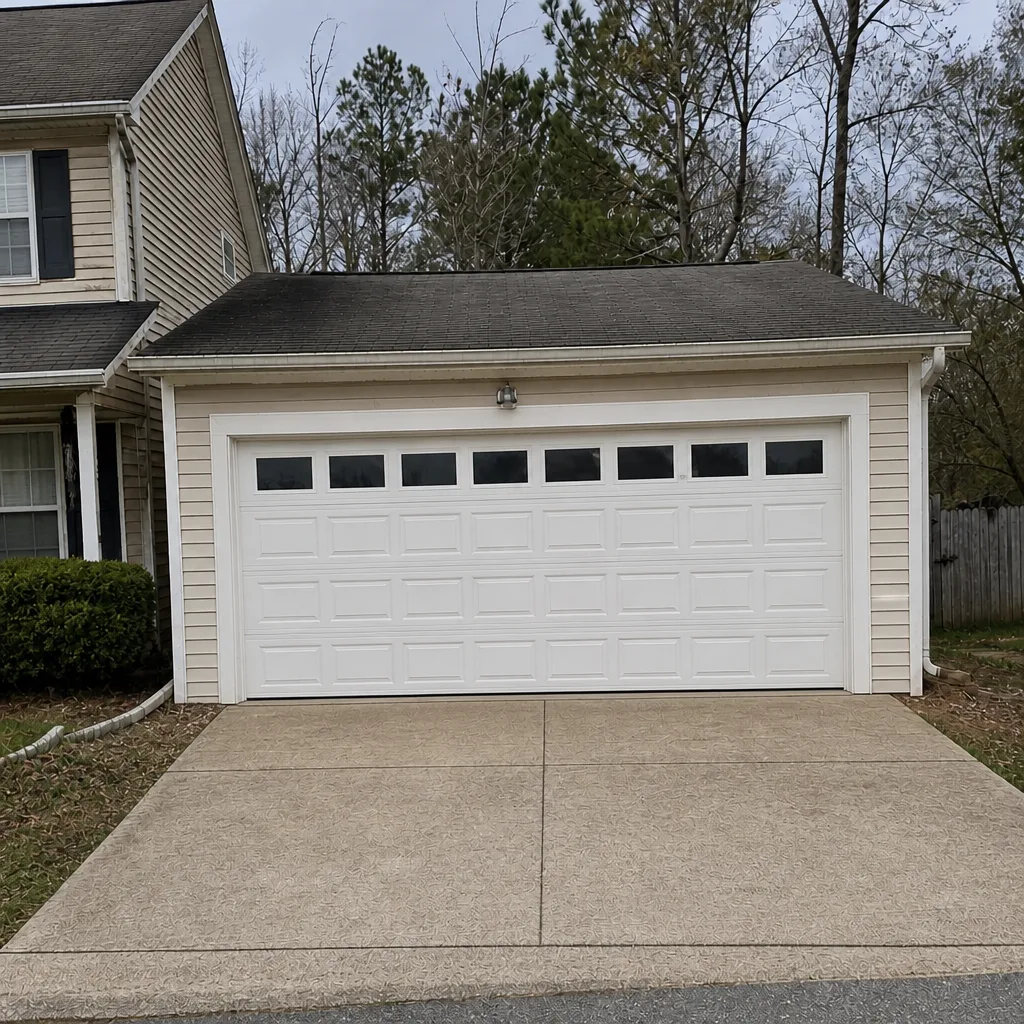 After
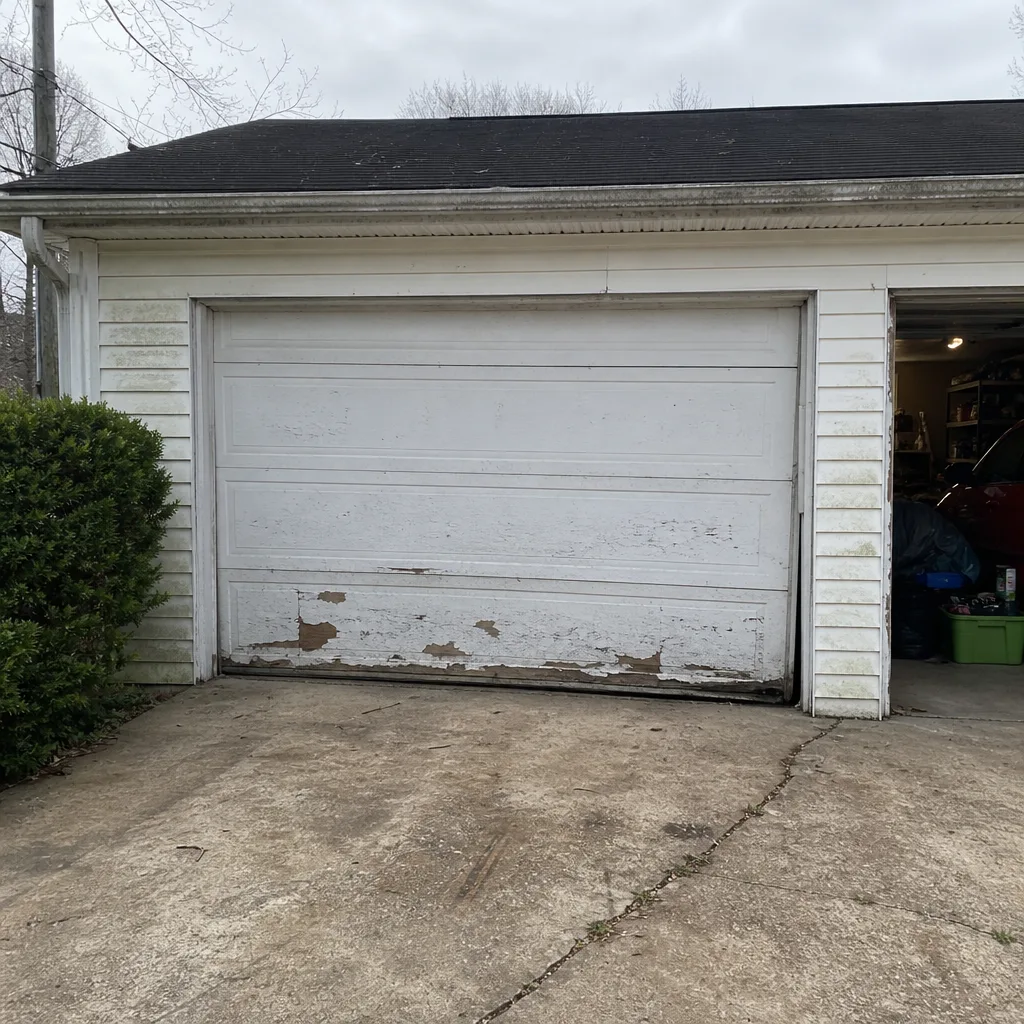 Before
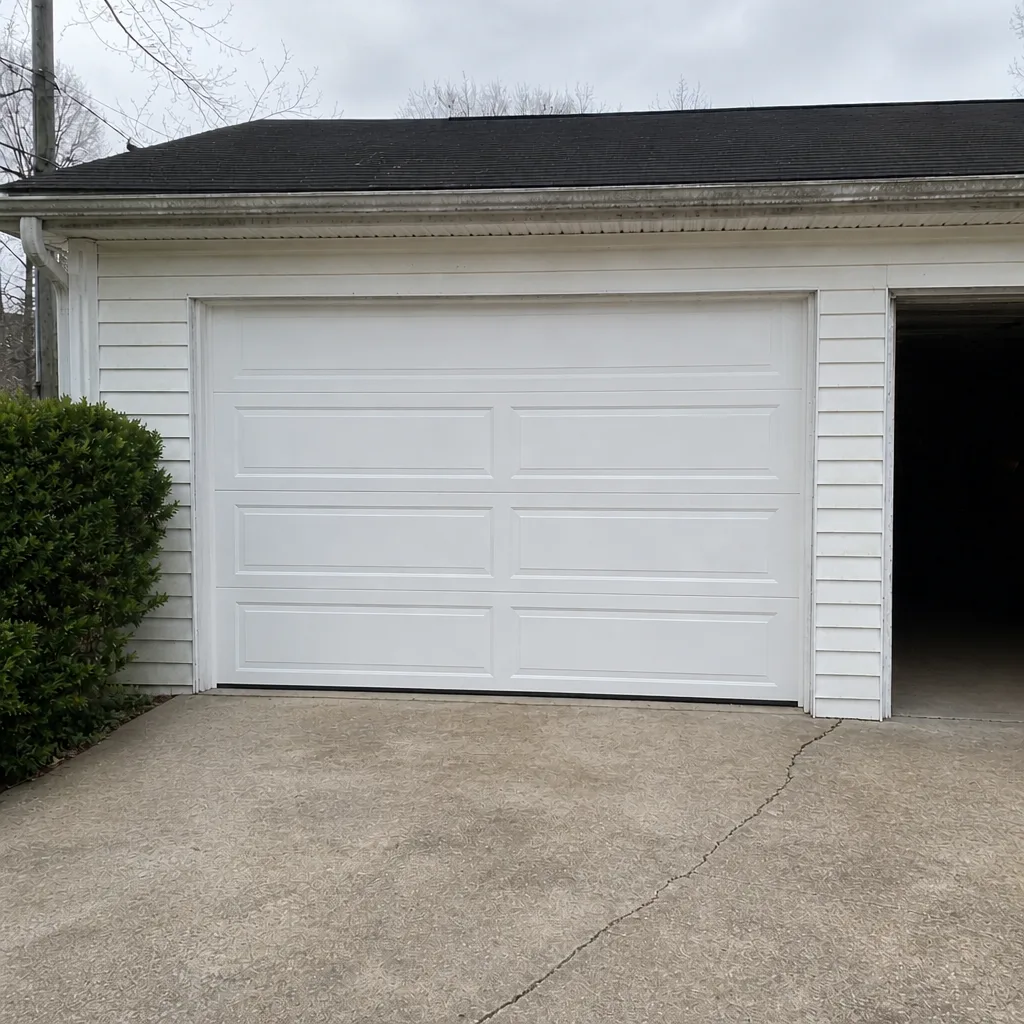 After
When to Call a Professional
Call a professional when the job goes past a cosmetic swap: when the opening is being altered, when the fire-rated assembly is in play, when you’re unsure which category you’re in, or when the county’s answer points to a permit. Call us sooner if a spring has snapped, a cable has let go, or the door has come off its tracks. Those are the jobs where a homeowner gets hurt; garage door springs store enormous energy, and a generalist who treats them casually is a real risk. Garage Door Repair Gainesville Pros offers free estimates in Gainesville, and we’ll tell you plainly whether your project looks like a permit job. We work across eight major brands, including LiftMaster, Chamberlain, Genie, Clopay, Amarr, Wayne Dalton, Craftsman, and Raynor, and one call covers the door, the opener, and the installation. Call (833) 968-8548 to set up a free estimate.
Frequently Asked Questions
It depends on the job. A like-for-like replacement of the same size door in the same opening is usually treated as a repair and doesn’t need a building permit. A change to the opening structure or a replacement of the fire-rated assembly between the garage and living space typically does. Confirm with the Hall County building department before work starts, then call (833) 968-8548 for a free estimate that matches the permitted scope.
They’re separate components with separate code duties. The overhead door you drive through is a vehicle access opening. The pedestrian door between the garage and the house carries the fire-separation duty under Georgia’s adopted residential code. A like-for-like swap of the overhead door usually doesn’t disturb the separation, but a change to the wall assembly around it can. Call us at (833) 968-8548 to talk through which one your project touches.
Usually not, if it’s a plug-in unit replacing a plug-in unit on an existing circuit. A new dedicated circuit, a new outlet run, or a hardwired connection is electrical work and typically permits separately through a licensed electrician. Our garage door opener repair team can confirm which situation you’re in when they look at the wiring, and we’ll tell you when to call an electrician. Estimates are free – call (833) 968-8548.
It can slow one down or cost you leverage. Unpermitted work surfaces through the buyer’s inspection, the county’s permit history search, and the seller disclosure and title process. A fire-separation issue gets the most attention because it’s a life-safety item. Handle it before the listing goes live. Call (833) 968-8548 for an honest look at what your situation involves.
The inspector checks the permitted scope, the fire separation, the opening and framing for structural permits, the door’s operation and safety devices, and any required labeling. It’s a building-code check, not a mechanical service. A door that won’t operate cleanly won’t pass, so have it working and the paperwork on site. Our technicians have up to 13 years of experience getting doors inspection-ready – call (833) 968-8548.
No, spring repair is a maintenance and repair scope, not a building permit item. It’s also the most dangerous work on the door, because torsion and extension springs store enough energy to cause serious injury if handled without the right tools and training. Don’t attempt it yourself. Call (833) 968-8548 for a free estimate from technicians who do this work every day.
The Bottom Line
The permit question in Gainesville comes down to three words: cosmetic, structural, or fire-rated. A like-for-like swap usually doesn’t need a permit, a change to the opening structure usually does, and a fire-rated assembly replacement almost always does because it’s a life-safety component under Georgia’s adopted residential code. An opener on an existing circuit is usually exempt, a new hardwired circuit is not. Unpermitted work surfaces at resale, and correcting a fire-separation issue later costs more than doing the job right the first time. Call the Hall County building department, get the answer, and keep the paperwork. Then get a written scope that matches. Garage Door Repair Gainesville Pros covers repair, opener work, spring repair, and new installation across eight major brands. Call (833) 968-8548 for a free estimate.
Written by the team at Garage Door Repair Gainesville Pros.